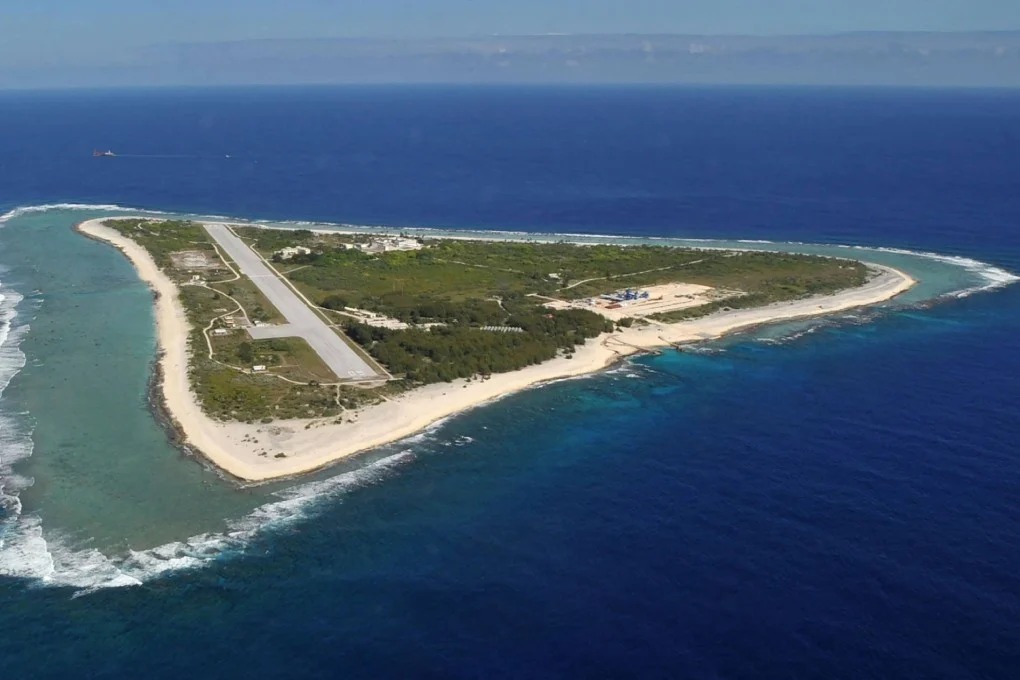
Recent reports have raised concerns locally and internationally about Japan's exploration of using the remote island of Minamitorishima as a final site for high-level nuclear waste storage. An official request for a survey to assess the island's suitability was submitted to the mayor of Ogasawara, who manages the island, earlier this month. The island is located approximately 1,900 kilometers (1,200 miles) southeast of Tokyo and is considered one of the most isolated locations in the Pacific.
This move comes at a sensitive time as Japan seeks permanent solutions to the growing nuclear waste problem, which has become a significant challenge following the Fukushima incident in 2011. This proposal has raised fears among local residents and environmental organizations, who are concerned about the potential negative impacts on the marine environment and wildlife in the area.
Details of the Proposal
At the beginning of this month, the Japanese government submitted an official request for a comprehensive study on the possibility of using Minamitorishima as a nuclear waste storage site. This request is part of the government's efforts to comply with international standards regarding nuclear waste management. The request was directed to the mayor of Ogasawara, who holds local authority over the island.
The study will include assessments of environmental and geological safety, as well as potential impacts on local communities. However, many local residents express concern that this project could lead to environmental degradation and negatively affect their daily lives.
Background & Context
Historically, Japan has faced significant challenges in managing nuclear waste. Following the Fukushima disaster, the need to find safe locations for nuclear waste storage has become more urgent. Since then, the Japanese government has been seeking to develop effective strategies for dealing with nuclear waste, but it faces resistance from local communities that fear health and environmental risks.
Minamitorishima is one of the proposed options, but there are many other alternatives suggested, including inland sites. However, the island's geographical isolation makes it an attractive option from the government's perspective, which hopes to minimize potential risks to residential areas.
Impact & Consequences
If this project moves forward, it could have far-reaching consequences for the local environment. Studies indicate that storing nuclear waste in remote areas could lead to contamination of groundwater and marine environments, affecting marine life and the health of local populations. There are also concerns that potential accidents could result in severe consequences.
Pressure is mounting on the Japanese government from environmental organizations and local communities to halt this project. Many experts have pointed out the urgent need to find alternative and safer solutions for nuclear waste management, rather than relying on remote sites that may be prone to risks.
Regional Significance
Although this news pertains to Japan, it highlights the issue of nuclear waste management that concerns all nations. In the Arab region, there is a growing interest in nuclear energy as part of sustainable development strategies. However, there must be clear and safe strategies for handling nuclear waste to ensure the protection of the environment and the health of citizens.
Ultimately, Arab countries should learn from the experiences of other nations, such as Japan, to avoid past mistakes and ensure safe and effective management of nuclear waste.