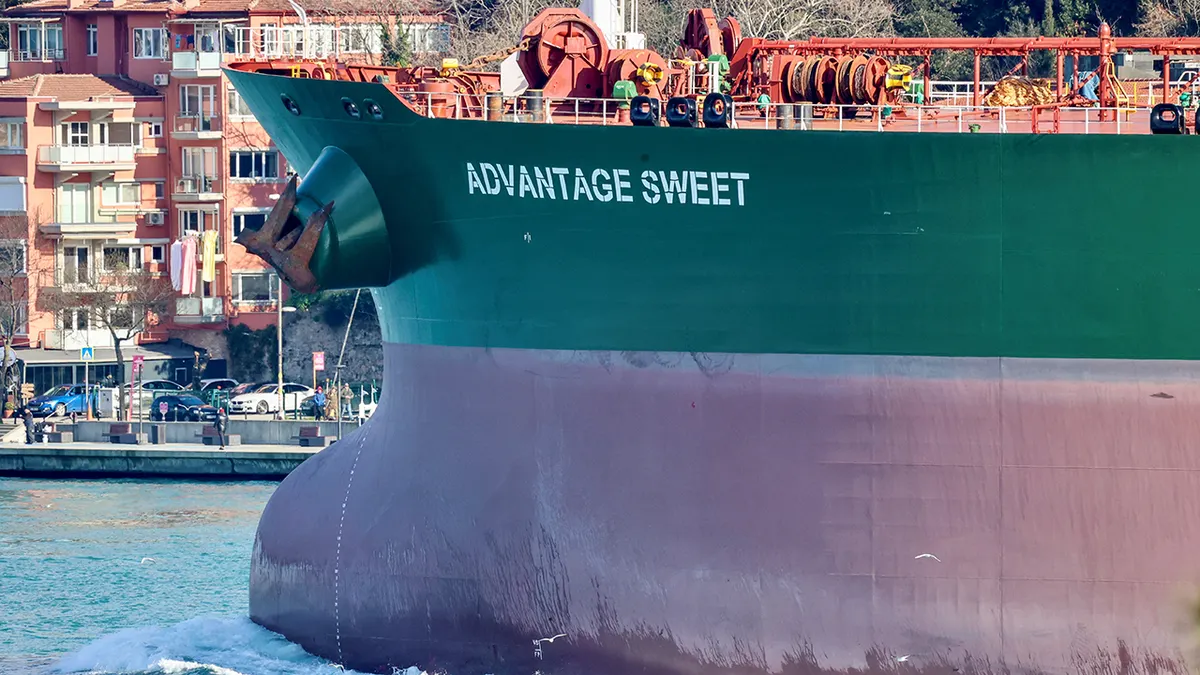
Japan has announced unprecedented measures to transfer oil from one ship to another, amid increasing risks stemming from military tensions in Iran. This decision comes at a time when the world is witnessing a rise in security threats, directly impacting global energy supplies.
This step is part of Japan's strategy to ensure the continuity of oil supplies, as the country is one of the largest oil importers in the world. With escalating tensions in the Middle East, it has become essential to adopt precautionary measures to protect its economic interests.
Details of the Event
Concerns are growing in Japan about the potential outbreak of military conflict in Iran, which could negatively affect shipping traffic in the Strait of Hormuz, a vital corridor through which approximately 20% of global oil supplies pass. In this context, the Japanese government has decided to take urgent measures to transfer oil from one ship to another to avoid any potential supply disruptions.
According to reports, this operation requires precise coordination between maritime authorities and the companies involved, as oil is transferred under potentially hazardous conditions. Japanese companies have shown their readiness to adapt to these circumstances to ensure the continuity of supplies.
Background & Context
Historically, Japan has relied on imported oil to meet its energy needs. With rising tensions in the Middle East, it has become necessary for Japan to adopt new strategies to ensure the security of its supplies. In recent years, the region has witnessed several crises that have impacted oil prices and global energy markets.
Iran is a key player in the oil market, and any military escalation could lead to a significant rise in oil prices, adversely affecting the Japanese economy. Therefore, the Japanese government is seeking to take proactive steps to avoid any negative impacts on the market.
Impact & Consequences
This move may lead to increased transportation and insurance costs for oil shipments, which would be reflected in global oil prices. Additionally, any military escalation in the region could result in significant fluctuations in financial markets, impacting the global economy as a whole.
These measures also indicate how major countries are dealing with security challenges in the energy sector. Japan, as a country that heavily relies on imported oil, needs flexible strategies to adapt to changing market conditions.
Regional Significance
The Middle East is a vital center for global oil supplies, and any military escalation could affect the stability of the region. Furthermore, tensions in Iran could increase pressures on neighboring Arab countries, necessitating proactive steps to protect their economic interests.
Ultimately, these events reflect the importance of international cooperation in the energy sector, as any crisis in one area can affect all oil-importing countries. Therefore, major nations must work together to ensure market stability and protect their shared interests.