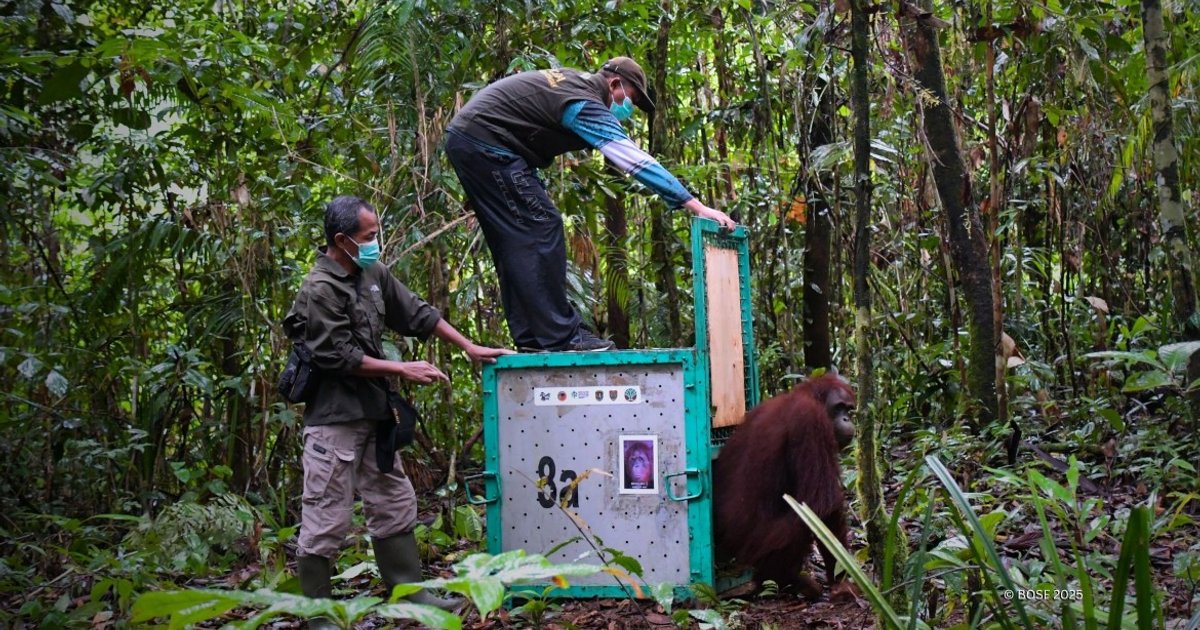
A zoo in the city of Matsuyama, Japan, is striving to breed rare orangutans through a collaboration with Indonesia, having introduced a new female to the zoo to enhance conservation efforts for this endangered species. This partnership comes at a critical time, as orangutans in Japan are facing difficulties in reproduction due to a lack of available individuals.
Orangutans are classified as endangered species, listed on the International Union for Conservation of Nature's Red List. The Japanese zoo, located in Ehime Prefecture, welcomed a female orangutan named Jennifer, imported from an Indonesian zoo, raising the number of orangutans in the facility to three.
Event Details
Historically, the collaboration between the Japanese zoo and the Indonesian Safari Park began in 2018, when the latter proposed a joint project for orangutan conservation. A wildlife conservation agreement was signed between the governments of Ehime and Indonesia in 2024, followed by a loan agreement for orangutans between the two zoos in April 2025.
The 15-year-old female Jennifer has been on public display since last March, attracting many visitors. According to animal keeper Eriko Ino, Jennifer is highly intelligent and enjoys food, particularly oranges grown in Ehime Prefecture.
Background & Context
Orangutans are species that inhabit the tropical forests of Indonesia and Malaysia, facing significant threats due to habitat destruction caused by agriculture and illegal trade. Reports indicate that the number of orangutans in the wild has drastically declined, making conservation efforts more crucial than ever.
Historically, there have been numerous attempts to conserve orangutans, but they have not been sufficient to address the challenges faced. The current collaboration between Japan and Indonesia represents a positive step towards enhancing global efforts to protect this species.
Impact & Consequences
This initiative serves as a model for international cooperation in protecting endangered species. By exchanging knowledge and expertise between countries, conservation efforts for biodiversity can be strengthened. Furthermore, this collaboration highlights the importance of collective action in addressing global environmental challenges.
This initiative is expected to raise awareness about environmental conservation issues, potentially leading to greater support from the international community for protecting endangered species. It may also inspire other countries to adopt similar models.
Regional Significance
Although orangutans do not inhabit the Arab region, environmental conservation and biodiversity issues remain of significant importance. Many species in the Arab world face similar threats due to climate change and habitat destruction. The experience of cooperation between Japan and Indonesia could inspire Arab countries to develop effective strategies for biodiversity protection.
In conclusion, the collaboration between Japan and Indonesia represents an important step towards protecting orangutans and reflects the significance of collective action in facing environmental challenges. Raising awareness about conservation issues can contribute to a better future for endangered species.