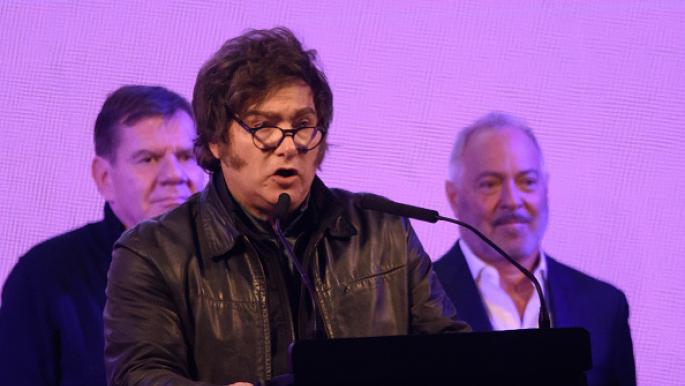
Argentinian President Javier Milei embodies clear contradictions in politics and economics. He adopts a hardline political rhetoric inspired by figures like Trump and Orban, while implementing Thatcherite economic policies. This disparity raises questions about how his policies will impact the future of Argentina and Latin America as a whole.
All eyes are on Milei, who assumed the presidency at a time when Argentina is suffering from recurring economic crises. The country has seen a surge in inflation rates, leading to a significant erosion of citizens' purchasing power. In this context, Milei aims to implement radical reforms intended to restructure the Argentinian economy, drawing inspiration from the policies of former British Prime Minister Margaret Thatcher.
Details of the Economic Policies
Milei's economic policies include reducing government spending, lowering taxes, and opening markets to foreign investments. This approach has drawn criticism from various political and social circles, who view it as a threat to the poor and middle classes. At the same time, Milei promotes the idea that these policies will ultimately lead to an improvement in the overall economic situation.
Furthermore, Milei adopts a political discourse characterized by its intensity, attacking traditional institutions and labeling them as corrupt. This type of rhetoric attracts supporters from various social classes, but it also raises concerns about escalating social tensions.
Background & Context
Historically, Argentina has undergone significant economic and political transformations, having been affected by numerous financial crises. In recent years, the country has suffered from rising unemployment and inflation rates, prompting citizens to seek political alternatives. Milei, who comes from an economic background, positions himself as a savior for Argentina, relying on strong slogans to attract voters.
Milei's policies coincide with similar trends in other Latin American countries, where some leaders are seeking to consolidate their power by adopting stringent economic policies. This trend reflects a shift in political thought in the region, where some leaders prefer to take radical steps rather than traditional solutions.
Impact & Consequences
If Milei's policies succeed, they could lead to long-term economic improvement in Argentina; however, they may also provoke violent reactions from affected groups. These policies are expected to widen the gap between the rich and the poor, potentially causing greater social unrest.
Should these policies fail, Milei may face significant political pressure, which could lead to instability in the country. Additionally, the impact of these policies may extend to neighboring countries, where other regional economies could be affected by changes in Argentina.
Regional Significance
The experience of Argentina under Milei's leadership serves as an important lesson for Arab countries facing similar economic challenges. Arab nations could benefit from studying how Argentina deals with economic crises and how economic policies influence social stability.
Moreover, the political transformations in Latin America may inspire some political movements in the Arab world, as some seek to adopt new models of governance and economics. Understanding these dynamics can help enhance dialogue and cooperation between Arab countries and Latin America.
In conclusion, President Javier Milei symbolizes the contradictions of politics and economics in Argentina. His economic policies may have far-reaching effects on the country and the entire region, warranting close monitoring by observers and analysts.