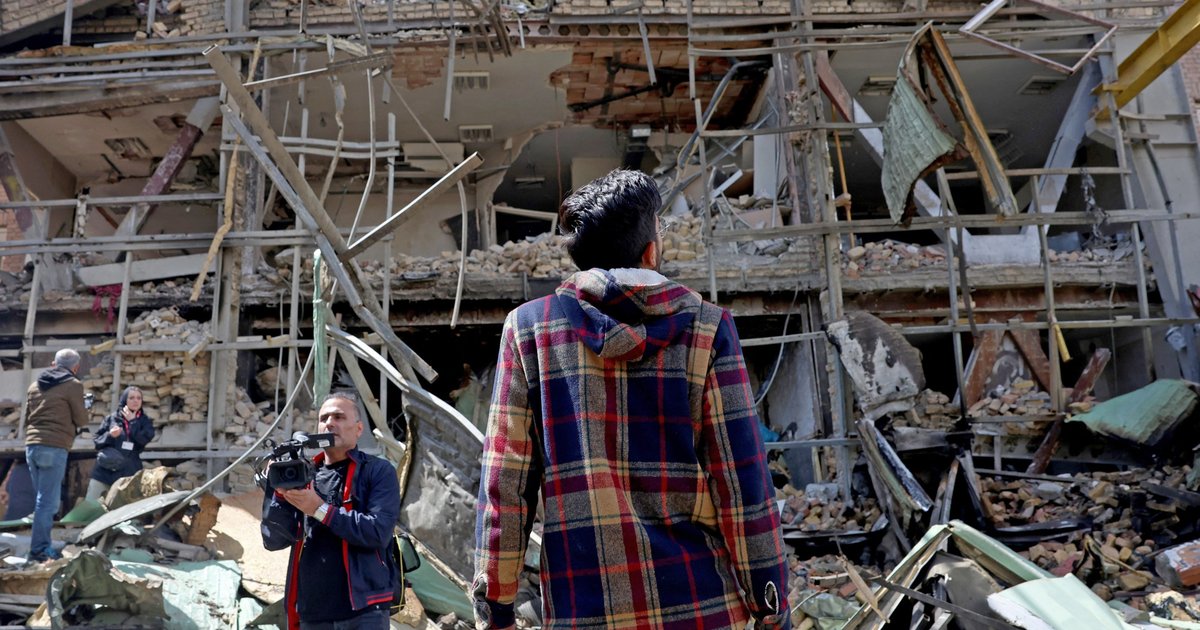
A joint missile strike by the United States and Israel targeted a food warehouse in Bandar Lengeh, southern Iran, according to local media reports. The incident occurred late last night, provoking varied reactions in political and media circles.
Initial reports indicate that the attack caused significant damage to the facility, although no human casualties have been reported so far. It is believed that this attack is part of a broader strategy aimed at undermining Iran's logistical capabilities, especially given the tense situation between Tehran and Washington.
Details of the Incident
The attack on the food warehouse is considered an unusual move, as previous strikes typically targeted military or nuclear facilities. This attack demonstrates a shift in military strategy, focusing on vital infrastructure that could impact the daily lives of Iranian citizens.
Local sources reported that the strike was precise, suggesting the use of advanced technologies in executing the attack. This type of operation reflects the close cooperation between the United States and Israel in confronting what they perceive as threats from Iran.
Background & Context
Historically, relations between Iran and the United States have been marked by increasing tensions since the Iranian Revolution in 1979. Economic sanctions and military blockades have been part of the American strategy to pressure Tehran. In recent years, these tensions have escalated significantly, particularly after the United States withdrew from the Iranian nuclear deal in 2018.
Israel, for its part, views Iran as an existential threat and has conducted several military operations against Iranian targets in Syria and Lebanon. This recent attack indicates that Israel is willing to expand its operations to include Iranian territory itself.
Impact & Consequences
The attack on the food warehouse could lead to an escalation of tensions in the region, with Iran expected to respond in some manner. Possible responses may include increased military activities in the Gulf or even targeting American and Israeli interests in the area.
Furthermore, this attack could impact potential negotiations regarding Iran's nuclear program, as Tehran may adopt a more hardline stance in any future talks. Military escalation could hinder diplomatic efforts and intensify conflict in the region.
Regional Significance
The impact of this attack may extend to neighboring Arab countries, as any escalation in the conflict between Iran and the United States could negatively affect security and stability in the region. Gulf countries, in particular, may feel anxious about rising military tensions.
This incident highlights the importance of Arab cooperation to address shared security challenges, especially amid increasing threats from Iran. Arab nations must be prepared to deal with any repercussions that may arise from this military escalation.
In conclusion, this attack serves as evidence of rising tensions in the Middle East and suggests that conditions may become more complicated in the near future.