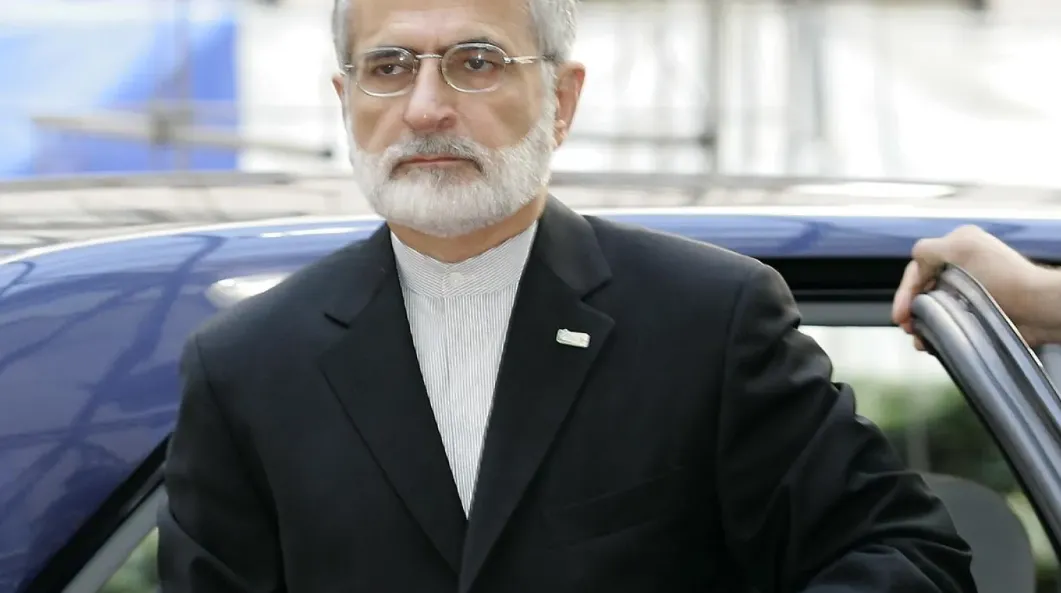
In a development that signals further complications in the regional landscape, diplomatic efforts have suffered a significant blow following the targeting of one of its key participants. Kamahl Khrazi, an advisor to the Iranian government and former foreign minister, was seriously injured in a joint US-Israeli airstrike, raising questions about the future of political endeavors amid escalating military operations.
According to Iranian media reports, Khrazi was injured during a strike that targeted his home in Tehran early Thursday morning. Khrazi had been playing a pivotal role in coordinating with Pakistan regarding potential negotiations between the United States and Iran, making his targeting a sign of escalating tensions.
Details of the Incident
Reports indicate that the attack, executed jointly by the United States and Israel, also resulted in the death of Khrazi's wife, while he was rushed to the hospital in critical condition. This strike coincided with a speech by US President Donald Trump, in which he announced that the country was "very close" to ending the war with Iran, adding further complexity to the situation.
Analysts believe that targeting a diplomatic figure of such stature could be interpreted as an attempt to thwart or obstruct negotiation efforts, particularly given Khrazi's role in managing indirect communication channels with the US through Pakistani intermediaries.
Background & Context
Historically, Iranian-American relations have witnessed increasing tensions, especially following the US withdrawal from the nuclear agreement in 2018. Since then, military operations and threats between the two sides have escalated, complicating any diplomatic talks. Khrazi, who currently serves as the head of the Iranian Strategic Council on Foreign Relations, was considered one of the key figures in attempts to improve relations with the West.
In a previous interview, Khrazi expressed skepticism regarding the prospects for a diplomatic solution, noting that Iran is capable of prolonging the conflict. This skepticism reflects the complex reality Iran faces amid military and political pressures.
Impact & Consequences
The targeting of Khrazi could deepen the trust gap between Tehran and Washington, undermining the chances of resuming dialogue. Iranian officials have informed intermediaries that they are still awaiting approval from the "supreme leadership" to hold any direct meetings, further complicating the landscape.
At the same time, the Iranian military has vowed to launch "devastating" attacks on the United States and Israel, following threats from the US president to continue military pressures. These statements reflect an increasing escalation in military operations, heightening tensions in the region.
Regional Significance
The escalating tensions between Iran and the United States directly impact security and stability in the Arab region. Arab countries, affected by military escalation, find themselves in a sensitive position, where current circumstances require a delicate balance in relations with both Tehran and Washington.
Moreover, the continuation of the war and disruption of oil flows may prompt Arab nations to reassess their economic and political strategies, especially given their heavy reliance on oil exports. Any military escalation could affect oil prices and increase economic pressures on Arab states.
In conclusion, recent events indicate an increasing escalation in the Iranian-American conflict, placing the region before new challenges that require an urgent diplomatic solution.