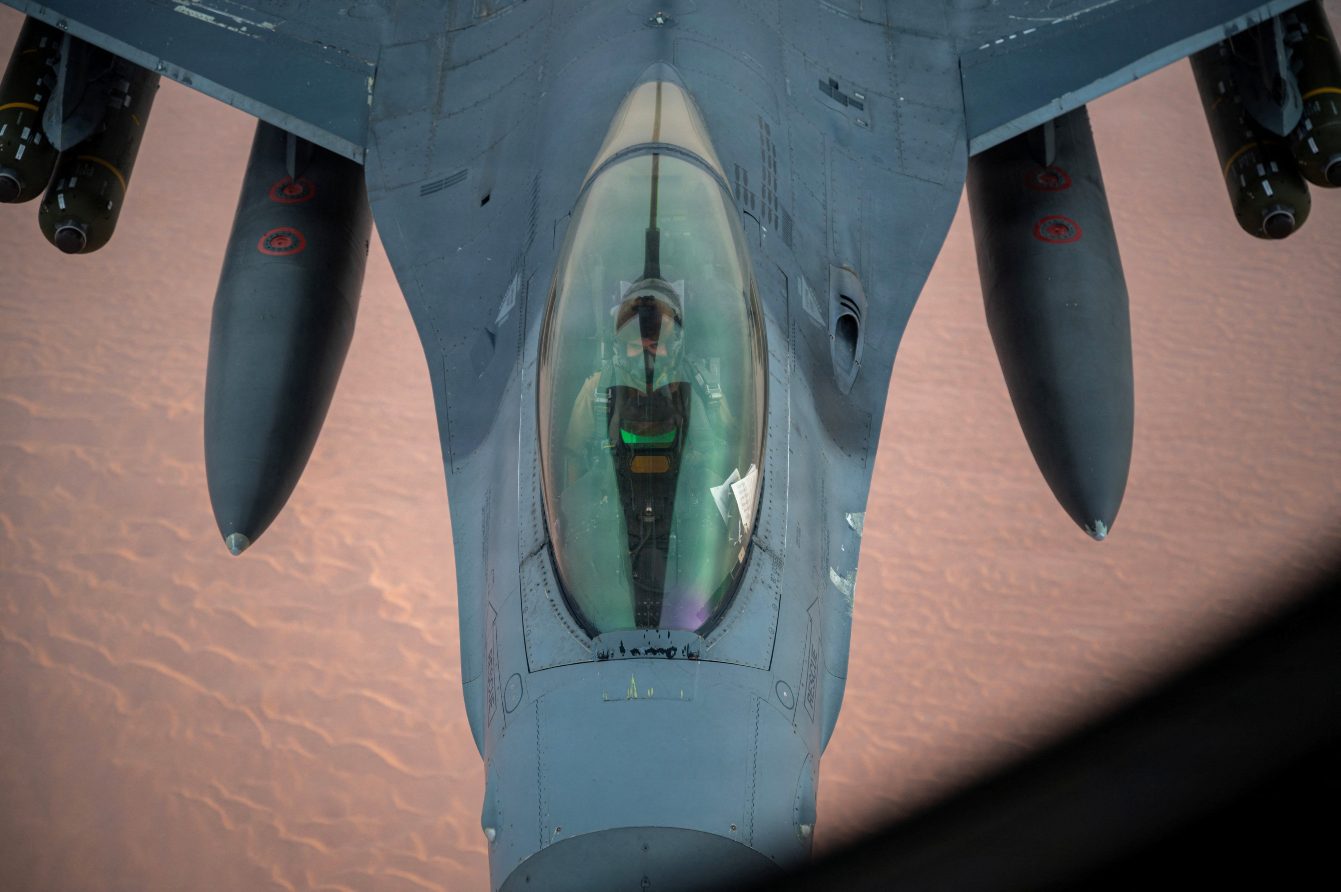
A joint airstrike by the United States and Israel targeted a cement factory in Bandar Khamir, southern Iran, on Saturday. Local reports confirmed that operations at the factory continued normally despite the attack. Ahmad Nafisi, the Deputy Governor of Hormozgan Province, stated that "the US-Zionist attack on the cement factory resulted in no injuries," indicating that the assault did not disrupt the facility's operations.
This strike comes at a time when the region is witnessing an escalation in Israeli military operations against Iran, with Israeli forces announcing the conclusion of a new wave of airstrikes on Iranian territory. This escalation reflects the increasing tensions in the relationships between Iran, the United States, and Israel, especially amid the politically charged atmosphere in the region.
Details of the Incident
According to reports, the airstrike targeted the cement factory in Bandar Khamir, which is one of the vital facilities in the area. Despite the attack, local officials confirmed that operations at the factory were unaffected, raising questions about the effectiveness of military strikes in achieving their objectives. The timing of the attack is particularly sensitive, as concerns grow over the potential for escalating hostilities in the region.
This airstrike is seen as part of a broader strategy aimed at pressuring Iran, as Israel and the United States continue to bolster their military alliances in response to what they describe as Iranian threats. Some analysts have noted that this attack could have implications for regional security, especially given the rising tensions between Iran and Gulf states.
Background & Context
Historically, relations between Iran and Israel have been fraught with increasing tensions, particularly following the United States' withdrawal from the Iranian nuclear deal in 2018. Since then, Israel has intensified its military operations against Iranian targets in Syria and elsewhere, leading to heightened tensions in the region. Iran has responded to these attacks by enhancing its military capabilities, increasing the risk of military escalation.
Iran is considered one of the key players in the region, wielding significant influence over political and security events. As tensions rise, fears increase regarding the outbreak of a broader conflict that could affect all countries in the region, including those in the Gulf.
Impact & Consequences
This attack could have significant implications for regional security, potentially leading to an escalation of hostilities between Iran and Israel. Continued Israeli airstrikes may prompt Iran to take retaliatory actions, increasing the risk of a full-scale military conflict. Additionally, this escalation could impact relations between Iran and Gulf states, as these countries seek to maintain their stability and security amid rising tensions.
Furthermore, these events may affect global markets, particularly in the energy sector, as any escalation in the region could lead to rising oil prices and increased instability in financial markets.
Regional Significance
The recent events in Iran hold significant importance for the Arab region, as any escalation in the conflict between Iran and Israel could impact the security and stability of Gulf states. These events may also lead to increased tensions between Arab countries and Iran, reflecting the substantial challenges facing the region under current conditions.
In conclusion, the situation in the region remains tense, requiring Arab countries to adopt strategic positions to address the growing security challenges. The international community must play an active role in de-escalating tensions and preventing military escalation that could have dire consequences for the entire region.