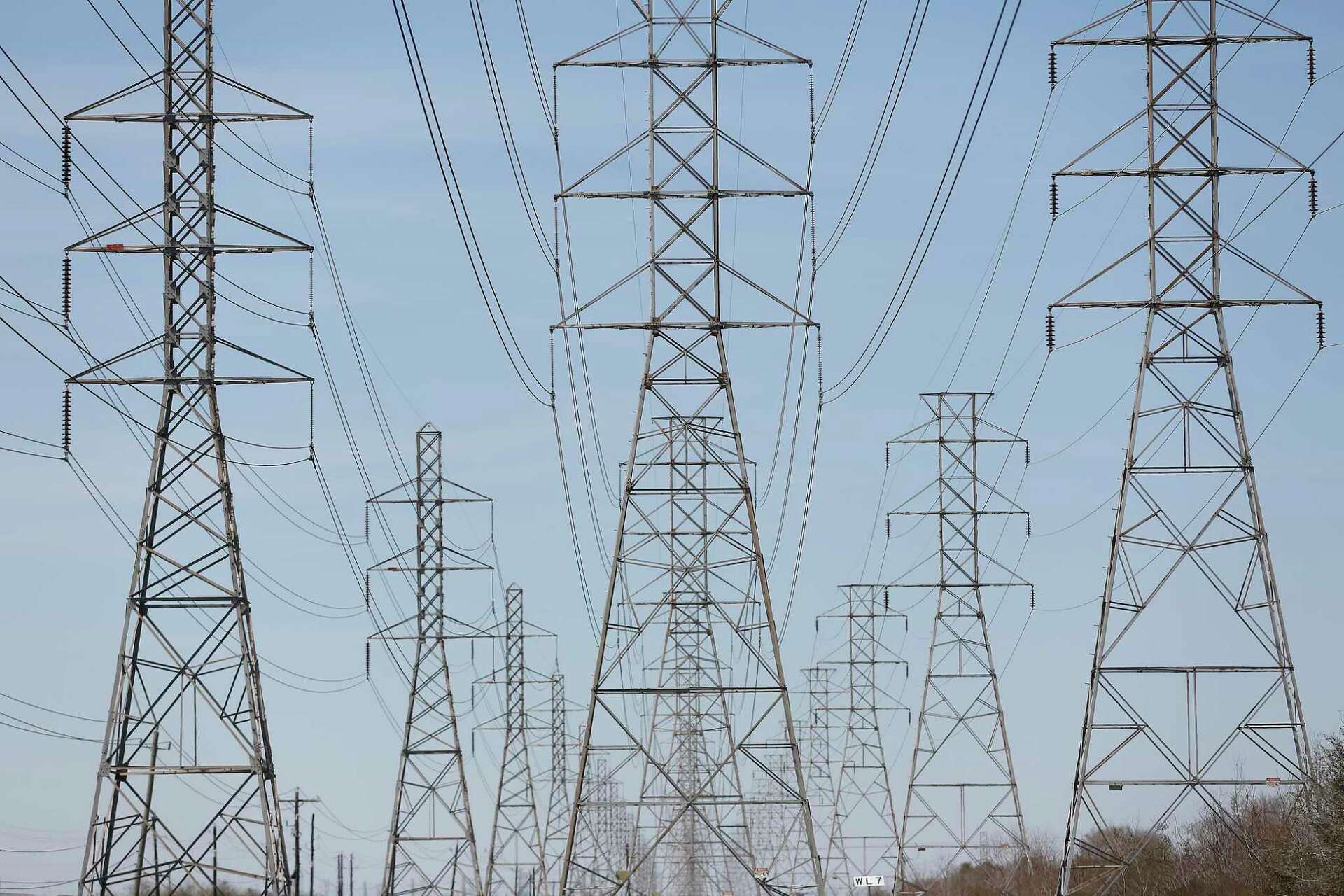
Jordan registered an electricity load of 3710 megawatts yesterday, a figure that reflects a significant increase in energy demand in the country. This increase comes at a time when the Jordanian government is striving to improve electrical services and meet the needs of its citizens.
These figures are a positive indicator of economic growth in Jordan, as energy demand rises with the increasing population and expansion of economic projects. Additionally, this electricity load is among the highest recorded in the country's history, reflecting the challenges the government faces in providing sustainable energy.
Details of the Event
According to reports, the electricity load recorded yesterday represents peak usage, observed during the evening peak hours. Data has shown that electricity demand has increased significantly compared to previous years, necessitating urgent measures to ensure the stability of the electrical grid.
The Jordanian government is working on developing energy infrastructure, including renewable energy projects, to meet this growing demand. Several initiatives in solar and wind energy have been launched, contributing to reducing reliance on traditional sources.
Background & Context
Over the years, Jordan has faced significant challenges in the energy sector, heavily relying on fuel imports to meet its needs. However, the Jordanian government has taken strategic steps towards diversifying energy sources, including investing in renewable energy.
These steps are part of Jordan's Vision 2025, which aims to achieve sustainability in the energy sector and reduce dependence on external sources. The government is also seeking to improve energy efficiency and develop the electrical grid to meet citizens' needs.
Impact & Consequences
The increase in electricity demand requires a swift response from the government to ensure the stability of the electrical grid. If this demand cannot be met, the country may face power outages, negatively affecting the daily lives of citizens and economic sectors.
Moreover, the increased electricity load could lead to higher production costs in industrial sectors, impacting market prices. Therefore, the government needs to devise effective strategies to address these challenges.
Regional Significance
Jordan's experience in managing rising energy demand serves as a model for the Arab region. Many Arab countries face similar challenges in the energy sector, necessitating regional cooperation to exchange expertise and modern technologies.
Renewable energy projects in Jordan can enhance energy security in the region, as neighboring countries can benefit from successful experiences in this field. Additionally, cooperation in the energy sector can contribute to achieving sustainable development in the region.
In conclusion, the registration of 3710 megawatts of electricity load in Jordan is an indicator of growth and the challenges the country faces in the energy sector. It requires an effective response from the government to ensure that citizens' needs are met and sustainability in this vital sector is achieved.