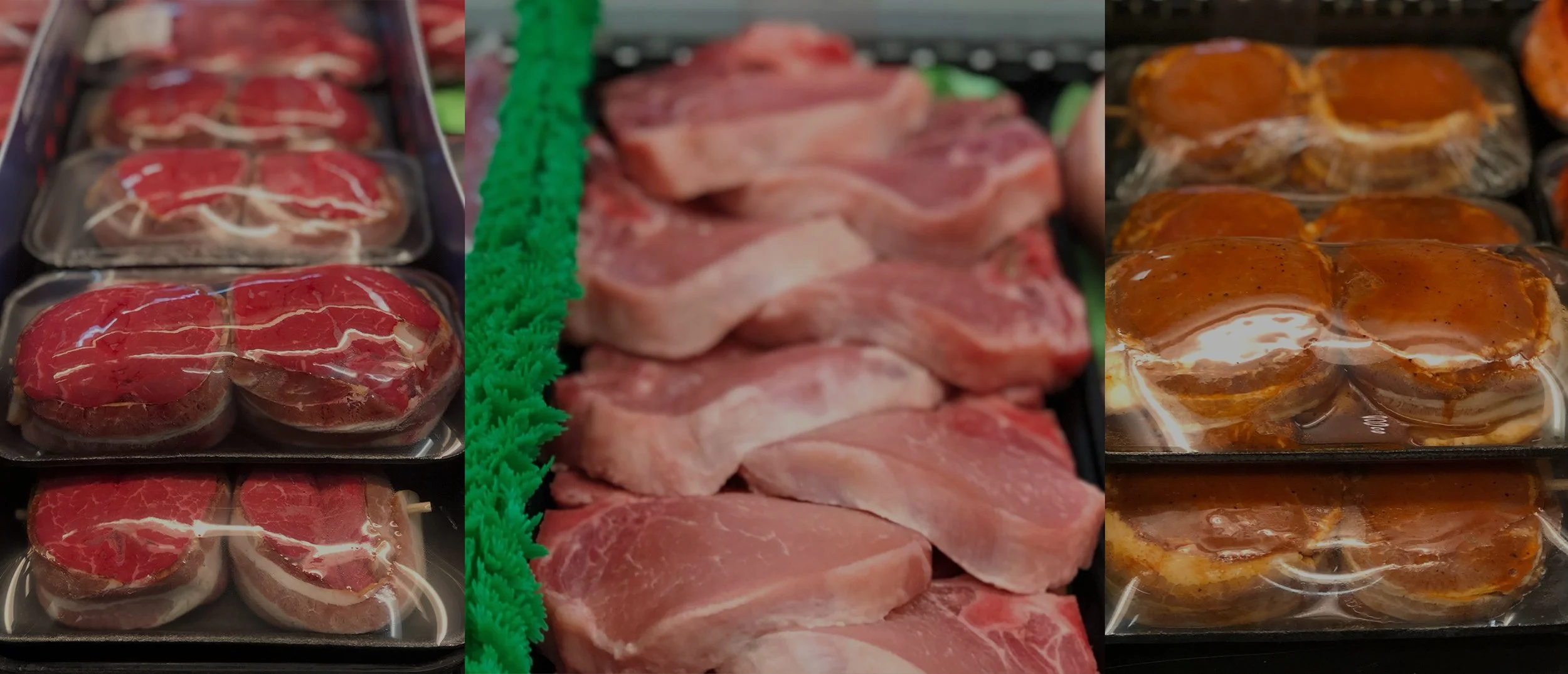
The Jordanian government has recently announced new price ceilings for sacrificial animals and meat as part of its efforts to stabilize prices and ensure market stability, especially with the approaching Eid al-Adha. This decision is timely, as citizens are currently facing rising living costs, necessitating effective measures to protect consumers.
The new price ceilings include specific prices for sacrificial animals and red meat, with the price for a sacrificial animal set at a maximum of 300 to 400 Jordanian dinars, depending on weight and type. Additionally, prices for red meat have been adjusted to align with the purchasing power of citizens, reflecting the government's commitment to providing essential goods at reasonable prices.
Details of the Announcement
This initiative follows a series of meetings between the Ministry of Agriculture and relevant stakeholders in both the public and private sectors, where challenges facing the local market were discussed. The Minister of Agriculture emphasized the importance of these measures in achieving a balance between supply and demand and ensuring that traders do not exploit consumers during this sensitive period.
It was also confirmed that these prices will be subject to periodic review to ensure they remain aligned with market changes. The government hopes these measures will alleviate the burden on citizens, particularly given the difficult economic conditions the country is experiencing.
Background & Context
In recent years, Jordanian markets have witnessed significant fluctuations in the prices of meat and sacrificial animals, negatively impacting citizens' purchasing power. This situation is attributed to several factors, including rising production costs and increased demand during religious occasions.
Sacrificial animals are an essential part of Eid al-Adha traditions in Jordan, with many families seeking to purchase them as part of the celebrations. However, the continuous price increases have prompted the government to take urgent steps to protect consumers and prevent the phenomenon of monopolies from spreading.
Impact & Consequences
The introduction of these price ceilings is expected to contribute to the stabilization of the local market, potentially increasing trust between consumers and traders. This move may also encourage more families to purchase sacrificial animals, positively impacting the local economy.
On the other hand, the government may face challenges in enforcing these prices, especially with traders who might seek to evade these restrictions. Therefore, effective market monitoring will be crucial to ensure the success of this initiative.
Regional Significance
Jordan's experience in setting price ceilings for sacrificial animals and meat serves as a model that many Arab countries facing rising prices for essential goods could benefit from. In light of the multiple economic crises facing the region, such steps may be necessary to ensure market stability and protect consumers.
In conclusion, the Jordanian government's decision represents a positive step toward achieving stability in the local market and reflects its commitment to protecting citizens' rights. It is important to monitor the outcomes of these measures and their impact on people's lives in the coming days.