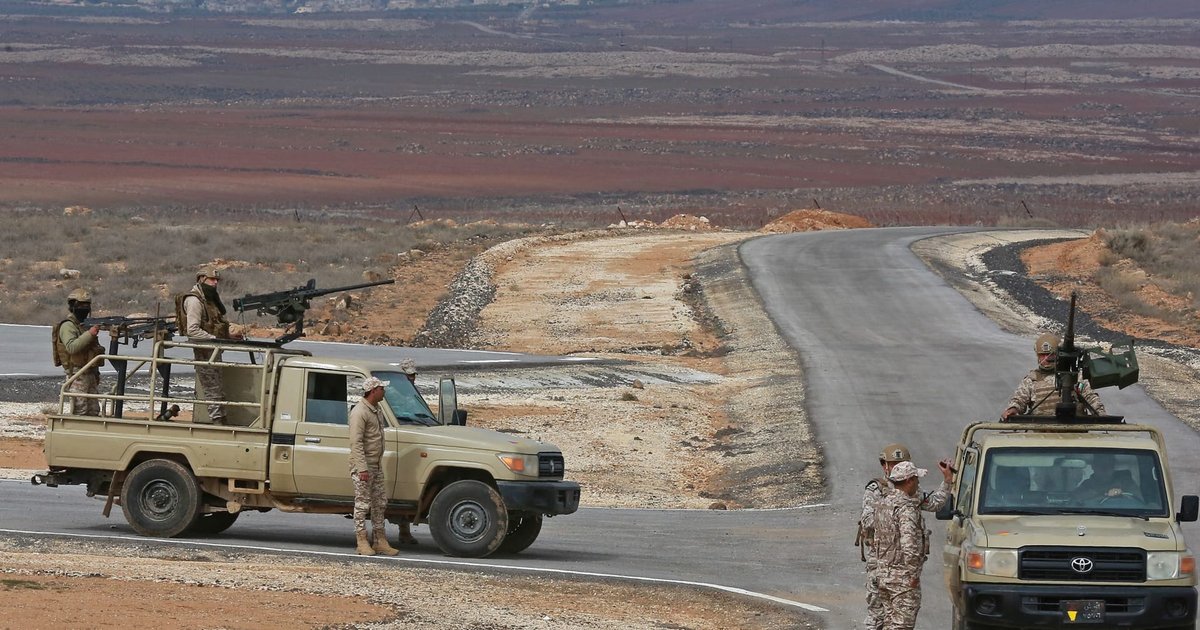
The Jordanian Armed Forces announced today, Thursday, that they successfully intercepted three Iranian missiles targeting the kingdom's territory in recent hours. They confirmed that the Royal Jordanian Air Force managed to intercept all missiles with high efficiency, reflecting the readiness of the armed forces and their ability to protect the borders.
These developments come at a sensitive time when the region is witnessing increasing tensions, with rising concerns about the escalation of Iranian military activities. These events have raised widespread alarm in political and military circles, especially amid ongoing tensions between Iran and neighboring countries.
Details of the Incident
According to official data, the three missiles were detected within a short timeframe, having been launched from Iranian territory. Reports indicated that the Royal Jordanian Air Force utilized advanced technologies in intercepting the missiles, contributing to the protection of civilians and vital facilities in the kingdom.
The Jordanian Armed Forces also confirmed that this operation falls within the framework of their defensive strategy to protect national sovereignty, noting that the armed forces are in a state of maximum readiness to confront any potential threats.
Background & Context
Historically, Jordanian-Iranian relations have been marked by ongoing tensions, as Jordan is part of regional alliances aimed at countering Iranian influence in the area. These tensions have increased in recent years due to events in Syria and Iraq, where Iran seeks to bolster its military presence.
Moreover, Jordan, which maintains close relations with the United States and Gulf countries, is striving to preserve regional stability and enhance its defensive capabilities to face any threats. These events occur at a critical time, as fears of escalating regional conflicts grow.
Impact & Consequences
These events underscore the importance of enhancing security cooperation among Arab states to confront common threats. The successful interception of Iranian missiles strengthens Jordan's position as a supporter of regional security, potentially opening the door for further collaboration with other countries in the region.
It is anticipated that these events will increase pressure on Iran, possibly prompting it to reassess its strategy in the region. Additionally, successfully countering these threats may bolster Jordan's standing in international forums, enabling it to gain greater support from its allies.
Regional Significance
These events are indicative of the rising tensions in the region, with growing fears of escalating military conflicts. The successful interception of Iranian missiles reflects the significance of security cooperation among Arab states in addressing shared challenges.
Furthermore, these events may impact the relations between Jordan and Iran, potentially leading other countries in the region to adopt more cautious stances towards Iranian activities. At the same time, these developments may strengthen Jordan's role as a supporter of regional security, paving the way for increased cooperation with other nations.
In conclusion, these events highlight the importance of enhancing the defensive capabilities of Arab states to confront rising threats and emphasize the necessity of regional cooperation to tackle common challenges.