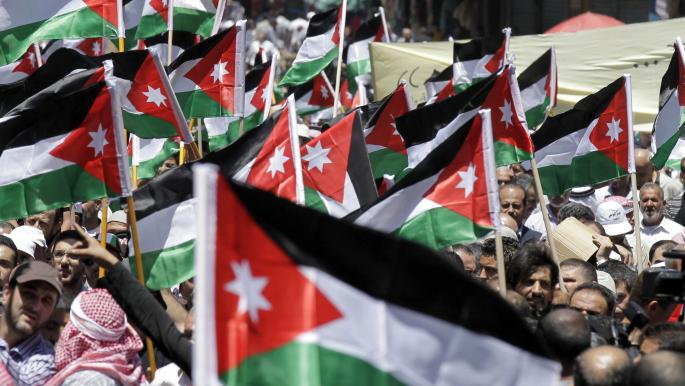
The Jordanian Islamic Action Front announced that the government has prohibited planned protests organized by activists and political forces in response to recent Israeli actions. This decision comes amid escalating tensions in Palestinian territories, sparking widespread reactions in the Jordanian street.
This step is taken in the context of rising tensions between Palestinians and Israelis, as many activists seek to express their rejection of Israeli policies, which they consider violations of Palestinian rights. The protests were expected to see broad participation from various social and political groups in Jordan, reflecting the extent to which the Jordanian public is affected by the Palestinian cause.
Details of the Event
In press statements, officials from the Islamic Action Front confirmed that the government did not provide clear reasons for banning the protests, raising questions about freedom of expression in the country. The party indicated that this step reflects a regression in public freedoms, especially under current circumstances that require greater solidarity with the Palestinian cause.
The party also added that the ban on protests comes at a sensitive time, as Israeli violations in the occupied territories increase, including incursions and arrests, necessitating a popular movement to denounce these policies.
Background & Context
Historically, the Palestinian cause has always been a focal point of interest for the Jordanian street, where a large number of Palestinian refugees reside. The country has witnessed many protests in the past, expressing solidarity with Palestinians. However, the Jordanian government faces internal and external challenges, which may affect its ability to allow such events to be organized.
In recent years, pressures on the Jordanian government from the international community have increased, leading it to adopt more cautious policies regarding regional issues. Nevertheless, the Jordanian street continues to demand more effective actions to support the Palestinian cause.
Impact & Consequences
The ban on protests may negatively affect the relationship between the government and the people, as many citizens feel that their voices are not being heard. This decision could also lead to increased tension in the street, which may adversely impact internal stability in Jordan.
Moreover, the ban on protests may affect Jordan's image in the international community, where it is viewed as a supporter of the Palestinian cause. This could lead to a decline in external support for Jordan amid the difficult economic conditions it faces.
Regional Significance
The Palestinian cause is considered one of the central issues in the Arab world, and the ban on protests in Jordan could have broader implications for neighboring countries. Other nations may witness similar movements expressing solidarity with Palestinians, potentially escalating tensions in the region.
In conclusion, the question remains about how the Jordanian government will respond to the demands of the street and whether it will allow protests to be organized in the future. The Palestinian cause requires ongoing support, and it seems that the Jordanian street is determined to express its stance despite the imposed restrictions.