A U.S. judge in Louisiana has rejected a request to block an important meeting that could lead to exempting drilling operations in Gulf waters from the Endangered Species Act. This decision comes at a time when concerns are mounting regarding the potential environmental impacts of these activities on marine life, particularly endangered species.
The meeting that was not banned will bring together officials from the National Oceanic and Atmospheric Administration (NOAA), where the possibility of exempting oil companies from certain restrictions imposed by the Endangered Species Act will be discussed. This law is considered one of the primary tools for protecting threatened marine species, such as sea turtles and sharks.
Details of the Event
The judge who issued the ruling, whose name has not been disclosed, indicated that the meeting does not conflict with existing laws and that it could have a positive impact on the local economy. This decision has sparked mixed reactions among environmental advocates who believe that exempting drilling operations could lead to the degradation of marine life, and industry supporters who argue that it will contribute to economic growth.
It is noteworthy that drilling operations in the Gulf have sparked widespread controversy in recent years, as the region has witnessed numerous environmental incidents that have led to the destruction of marine habitats. The Gulf is considered a resource-rich area, making it a primary target for oil and gas companies.
Background & Context
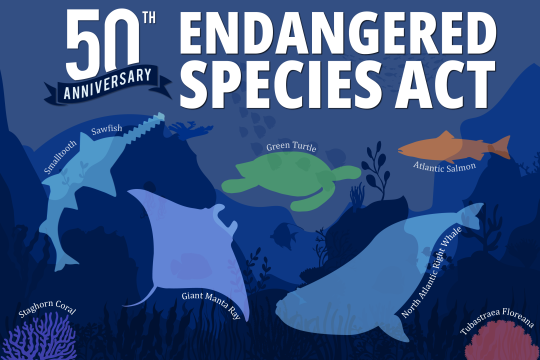
The Endangered Species Act was established in the United States in 1973, aiming to protect endangered species and their habitats. This law has been utilized in various cases to safeguard marine species from human activities, including drilling and coastal development.
Over the years, this law has faced numerous challenges, particularly from oil companies seeking to expand their operations. In recent years, the United States has seen shifts in its environmental policies, raising concerns among environmental advocates about the future of endangered species.
Impact & Consequences
The judge's decision may increase pressures on the marine environment, as it could encourage companies to expand drilling operations without sufficient restrictions. This could threaten marine species that rely on natural habitats in the Gulf, raising concerns about the balance of the ecosystem.
On the other hand, this ruling could be seen as a victory for the oil industry, which is facing increasing restrictions under environmental laws. Some experts suggest that this could lead to increased investments in the sector, potentially creating new job opportunities, but at the expense of the environment.
Regional Significance
The Arabian Gulf region is rich in oil resources, with many of its countries relying on oil revenues to support their economies. Therefore, any changes in drilling policies in the Gulf could directly impact the Arab economy.
Moreover, the environmental issues related to drilling operations in the Gulf are not confined to the United States alone but extend to Arab countries that share these resources. Thus, environmental advocates in the Arab region must remain vigilant regarding these developments.
In conclusion, the question remains about how to balance economic development with environmental protection. Decisions made in the United States could influence environmental policies in Gulf countries, necessitating greater coordination among nations to protect the marine environment.