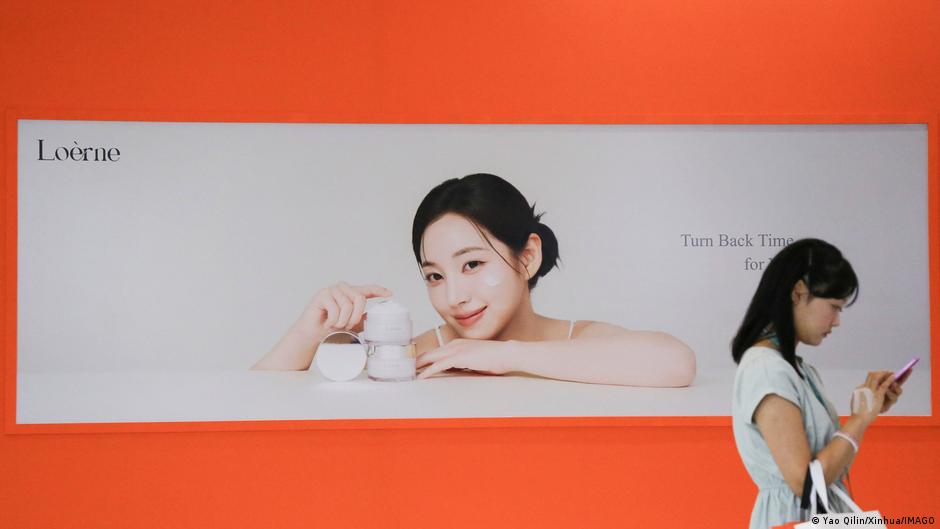
The Korean beauty industry (K-beauty) is one of the most prominent global phenomena in recent years, with Korean skincare and makeup products increasingly sought after worldwide. This success is not coincidental; it is the result of a well-thought-out strategy that combines culture, economy, and politics.
Reports indicate that exports of Korean cosmetics have seen a significant increase, rising by 12.3% in 2025, reaching a total value of $11.43 billion, up from $10.2 billion in 2024.
Event Details
South Korea is recognized as a leading country in innovation within the beauty industry, distinguished by its high-quality products that focus on skincare rather than merely concealing imperfections. Stefan Tople, CEO of Kencana, states that "consumer trends reflect cultural trends," highlighting the close relationship between culture and consumption.
Market research supports this view, with a study from Grand View Research showing that the rise of Korean pop culture, including K-pop and K-dramas, has played a significant role in expanding the global reach of K-beauty.
Background & Context
Historically, South Korea has utilized culture as a tool to enhance its soft power in the face of geopolitical challenges. Hans Musler, an expert on Korean affairs, notes that "South Korea deliberately exploits its cultural appeal," reflecting the importance of culture in enhancing the country's image on the international stage.
Television series, music, and digital platforms have contributed to creating a cultural infrastructure that enhances the visibility of Korean products globally, making K-beauty a part of South Korea's overall image.
Impact & Consequences
K-beauty represents a comprehensive model that integrates culture, technology, marketing, and politics. Musler points out that "cultural charm" plays a significant role in boosting demand for beauty products, as these products become part of a comprehensive aesthetic and cultural package.
The Korean market is characterized by rapid innovation cycles to meet rising consumer expectations, requiring continuous introduction of new ingredients and innovative formulations. Tople remarks, "Anyone who does not innovate continuously loses relevance immediately."
Regional Significance
The Korean beauty industry presents a significant opportunity for the Arab region, as Arab countries can benefit from this trend by importing and distributing these products. Additionally, Korean culture has gained immense popularity in the Arab world, enhancing opportunities for cultural and commercial collaboration.
In conclusion, the success of K-beauty demonstrates how culture can be a powerful tool in promoting both the economy and politics. This model could inspire Arab countries to leverage their local cultures to enhance their soft power.