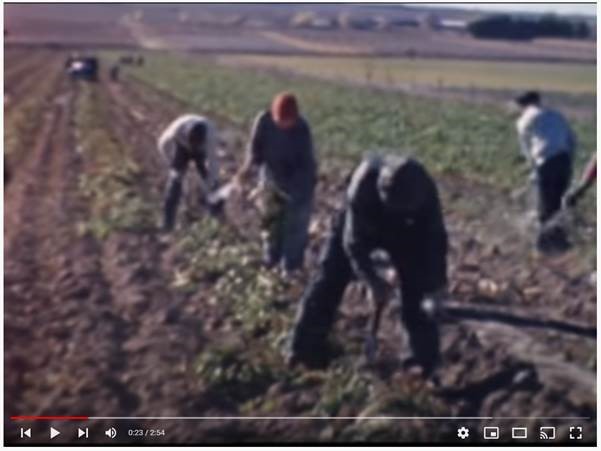
Kafr El Sheikh is achieving remarkable successes in sugar beet cultivation, recording a production of 2.5 million tons, positioning it as a leader among Egyptian governorates in this vital sector. This success reflects the commitment of farmers and relevant authorities to enhance agricultural production and meet local market needs.
Sugar beet cultivation is considered one of the strategic crops in Egypt, playing a crucial role in securing the country's sugar needs. Kafr El Sheikh significantly contributes to achieving self-sufficiency in this essential commodity, thereby enhancing food security in the nation.
Event Details
Kafr El Sheikh aims to increase its sugar beet production by implementing modern agricultural techniques and providing technical and financial support to farmers. Reports indicate that the areas planted with sugar beet in the governorate have seen a notable increase this year, reflecting the success of the agricultural plans in place.
The geographic location and fertile lands of Kafr El Sheikh provide an ideal environment for sugar beet cultivation. Additionally, the collaboration between farmers and government entities has contributed to improving production quality and increasing output.
Background & Context
Historically, sugar beet cultivation in Egypt has heavily relied on climatic conditions and available agricultural technologies. With the evolution of modern agriculture, Egyptian governorates have begun focusing on improving their production of strategic crops, including sugar beet.
Kafr El Sheikh stands out as one of the leading governorates in this field, where sugar beet farming is an essential part of the local economy. Government agricultural policies have played a significant role in promoting this trend by providing necessary support to farmers.
Impact & Consequences
The increase in sugar beet production in Kafr El Sheikh has positive implications for the local economy, contributing to the creation of new job opportunities and enhancing farmers' income. This production also helps reduce reliance on imports, strengthening Egypt's ability to achieve self-sufficiency.
These achievements serve as evidence of Egypt's capacity to attain sustainable agricultural development, opening new horizons for improving food security in the country. The success of Kafr El Sheikh in this area can also serve as a model for other governorates.
Regional Significance
The sugar beet cultivation in Kafr El Sheikh serves as a benchmark in the Arab region, where many countries face challenges in achieving self-sufficiency in agricultural crops. The lessons learned from Kafr El Sheikh's experience can contribute to improving agricultural production in other nations.
Enhancing agricultural production in Egypt can have a positive impact on food security across the Arab region, fostering regional cooperation in agriculture and trade.
In conclusion, Kafr El Sheikh's experience in sugar beet cultivation stands out as a milestone in Egypt's efforts to achieve sustainable agricultural development, reflecting the country's commitment to ensuring food security and strengthening the local economy.