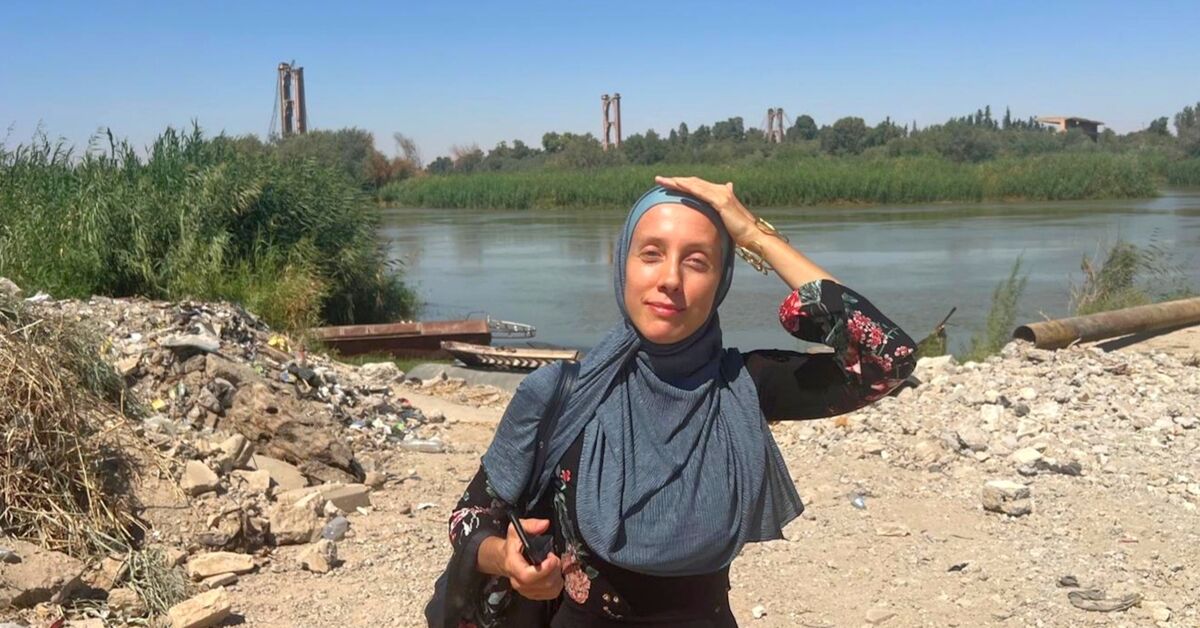
The kidnapping of 'The Monitor' reporter, Shelley Kittleson, in Iraq last Tuesday has sparked widespread concern in media circles. Press organizations are calling for her immediate release to ensure her safety and the continuation of her important work.
Kittleson is considered one of the prominent reporters covering events in the Middle East, focusing her reports on humanitarian and political issues in Iraq. Her abduction highlights the dangers faced by journalists in conflict zones and reflects the significant challenges to press freedom in the region.
Details of the Incident
According to reports, Shelley Kittleson was kidnapped in the Iraqi capital, Baghdad, while she was working on covering ongoing events. No precise details have been provided regarding the circumstances of the kidnapping or the responsible party, which increases the concern about her fate. Press organizations, including 'The Monitor', have expressed their deep concern and called for her immediate release.
This incident is part of a series of attacks that journalists have faced in Iraq, where the country has witnessed a rise in violence against media personnel in recent years. This situation raises fears regarding freedom of expression and human rights in Iraq.
Background & Context
Since the U.S. invasion of Iraq in 2003, the country has undergone a drastic transformation in its political and security landscape. Despite progress made in some areas, the security situation remains fragile, exposing journalists to significant risks. Iraq is considered one of the most dangerous countries for journalists, with numerous cases of killings and kidnappings recorded.
Historically, there have been numerous attempts to undermine press freedom in Iraq, with many journalists facing threats and assaults. This situation negatively impacts the media's ability to perform its role in informing the public and conveying the truth.
Impact & Consequences
Kittleson's kidnapping could significantly affect press freedom in Iraq, as it may create a climate of fear among other journalists, prompting them to shy away from covering sensitive issues. This could lead to a lack of accurate and reliable information regarding the situation in Iraq, affecting the international community's ability to understand the challenges the country faces.
This incident may also provoke international reactions, as human rights organizations and governments may call for actions to protect journalists and ensure their safety. It is crucial to highlight these issues to prevent their recurrence in the future.
Regional Significance
Press freedom is a vital issue in the Arab world, where many countries face similar challenges. Kittleson's kidnapping underscores the risks faced by journalists in the region and emphasizes the need to support and protect journalists' rights.
Enhancing freedom of expression and human rights in the Arab world is essential for building democratic and prosperous societies. There must be joint efforts from governments and civil society to ensure the safety of journalists and empower them to perform their roles freely and safely.