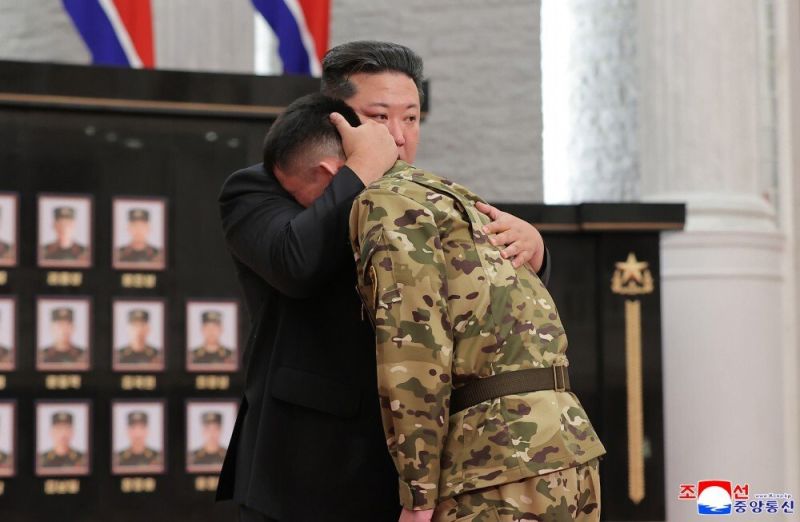
North Korean leader Kim Jong Un has praised soldiers who committed suicide to avoid capture on the battlefield in Ukraine. These remarks come at a time when the world is witnessing escalating military tensions as Russia and Ukraine continue their ongoing conflict.
Kim, considered one of the most authoritarian leaders globally, utilized this incident to highlight what he perceives as unwavering courage and loyalty from his troops. He noted that these soldiers serve as a model of sacrifice for the homeland, reflecting the values that the North Korean regime aims to instill in society.
Details of the Incident
In his statements, Kim asserted that the soldiers who chose to end their lives rather than fall into enemy hands symbolize dignity and bravery. These comments were circulated in state media, underscoring the significance of this issue in the regime's official discourse. It was also noted that such incidents are not new, as North Korea has witnessed similar cases in the past, particularly during military crises.
These statements come at a sensitive time, as North Korea faces increasing pressure from the international community due to its nuclear program and human rights record. Nevertheless, the regime appears to be seeking to affirm its authority by promoting the image of heroic soldiers in the face of challenges.
Background & Context
Historically, North Korea has been known for fostering a culture of loyalty and sacrifice among its citizens, portraying the military as the protector of the homeland. The regime has leveraged this culture to bolster its power, viewing any form of surrender or capture as treason. These events occur in the context of the ongoing conflict in Ukraine, which began in 2014 and has exacerbated humanitarian and political conditions in the region.
In recent years, international relations have seen increasing tensions, particularly with the rise of Russian military activities in Ukraine. These conditions have affected many nations, including North Korea, which seeks to exploit the situation to strengthen its military and political stance.
Impact & Consequences
Kim Jong Un's remarks serve as a powerful message to soldiers and citizens in North Korea, reflecting the regime's commitment to traditional military values. This message may enhance morale among troops but could also raise questions about the psychological pressures faced by soldiers in combat.
On the international stage, these statements may lead to further tensions between North Korea and Western nations, which are closely monitoring developments in the region. Additionally, these events could impact relations between North Korea and Russia, as both countries strive to advance their interests amid current crises.
Regional Significance
For the Arab region, these events remind us of the challenges faced by countries in armed conflicts. The values of sacrifice and martyrdom for the homeland are shared across many cultures. Furthermore, these incidents may influence how Arab nations engage with military disputes, especially amid ongoing regional tensions.
In conclusion, Kim Jong Un's statements regarding soldiers who committed suicide to avoid capture in Ukraine reflect the complexities of military conflicts and the psychological pressures faced by soldiers. They also highlight the importance of loyalty and sacrifice in North Korea's official narrative, raising questions about the future of international relations amid current crises.