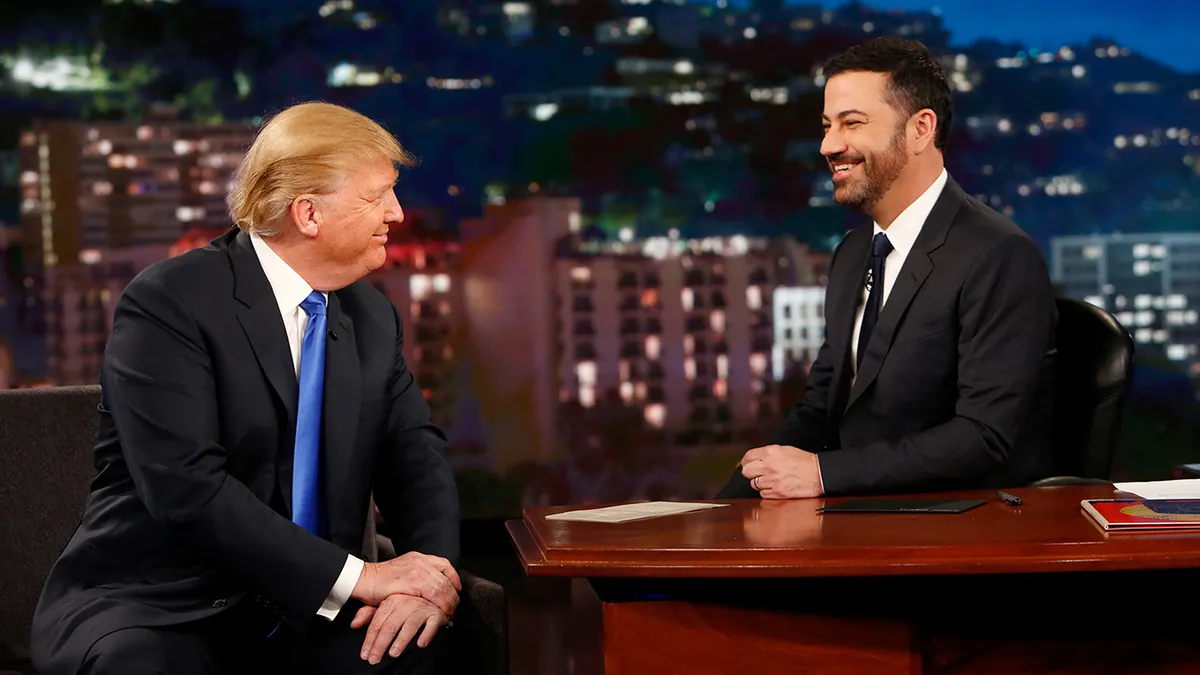
American comedian Jimmy Kimmel has declined to apologize for his sarcastic comment about Melania Trump, where he referred to her as the 'future wife' shortly before the attack that targeted the White House Correspondents' Dinner. This remark sparked widespread controversy, especially following the violent events that occurred during the dinner.
Kimmel, regarded as one of the leading comedic hosts in the United States, emphasized that he did not intend to incite violence, stating that his comment was meant to be humorous. However, Donald Trump's reaction was swift, as he called for Kimmel's dismissal from ABC, escalating the debate over freedom of expression and the limits of humor in media.
Details of the Incident
In the days leading up to the attack on the White House Correspondents' Dinner, Kimmel made his comment, which many deemed inappropriate at the time. The attack during the event resulted in injuries and created chaos, making Kimmel's remark seem more sensitive. In his defense, Kimmel pointed out that he aimed to highlight the tense political situation in the country.
This was not Kimmel's first controversial comment; in recent years, there have been numerous provocative remarks from media figures regarding Trump and his family. However, Trump's response this time was more intense, reflecting the growing tension between public figures and the media.
Background & Context
Historically, the relationship between the media and politicians in the United States has been fraught with tension. Since Trump's presidency, there has been a rise in attacks on the media, with Trump viewing many negative comments about him as part of a campaign to tarnish his reputation. This context complicates Kimmel's remarks, as humor intertwines with politics.
The White House Correspondents' Dinner represents a long-standing tradition in the United States, where journalists and politicians gather in an atmosphere of humor and critique. However, recent events, including the attack, have made it challenging to maintain this tradition without additional scrutiny.
Impact & Consequences
The repercussions of Kimmel's comments could be far-reaching, potentially affecting freedom of expression in the media. While some advocate for freedom of speech, others warn that sarcastic remarks may lead to unforeseen consequences, especially during times of political tension.
Trump's reaction may encourage others to take similar stances against media figures, heightening the tension between media and politics. This could result in a more hostile environment towards journalism, hindering journalists' ability to perform their work freely.
Regional Significance
In the Arab context, these events may serve as a lesson about the importance of freedom of expression and its limits. Many Arab countries face similar challenges, where dissenting voices are suppressed under the guise of security or stability. Sarcastic comments may sometimes be viewed as a threat to authority, leading to severe consequences for journalists.
Moreover, the relationship between media and politics in the Arab world requires reevaluation, as journalists should be allowed to express their opinions freely without fear of retaliation. This issue remains central to promoting democracy and human rights in the region.