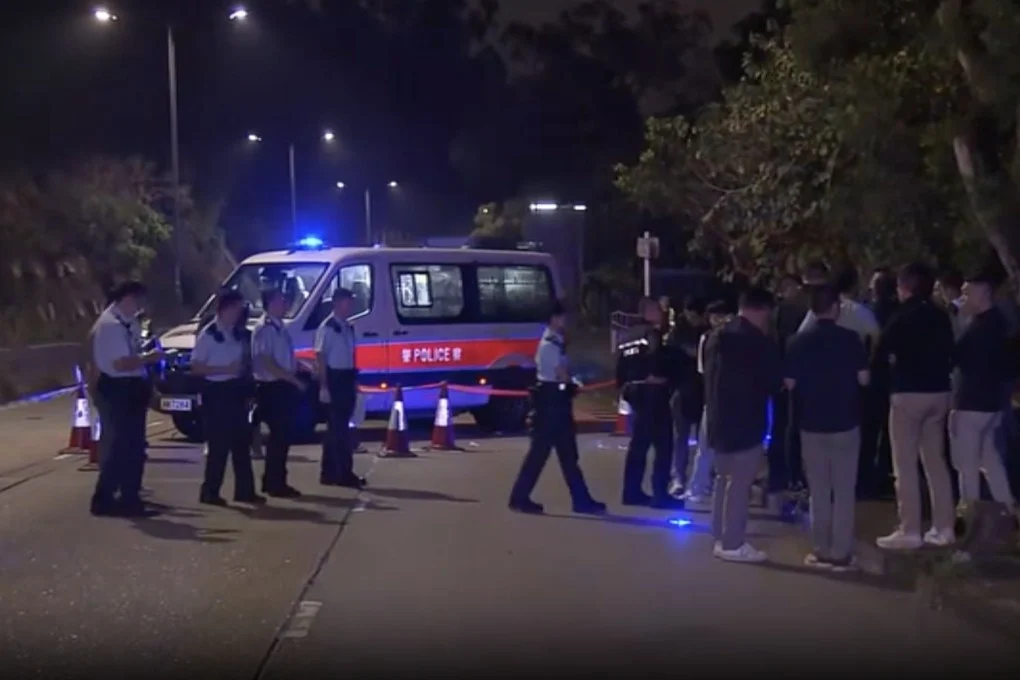
A knife-wielding attacker, suspected of having mental health issues, died ten days after being shot by police in Kwai Chung, Hong Kong. The government confirmed that the man, identified as Chung, passed away at Princess Margaret Hospital at 8:47 PM on Monday.
The incident occurred in the early hours of March 21, when police intervened after receiving reports of a person wielding a knife in the Kwai Chung area. Three police officers opened fire on the attacker, resulting in serious injuries.
Details of the Incident
The incident has sparked widespread debate regarding police use of force, especially given the doubts surrounding the attacker’s mental state. According to reports, Chung was suffering from mental health issues, complicating the situation and raising questions about how authorities handle such cases.
After the shooting, Chung was transported to the hospital where he remained in critical condition for ten days before his death was announced. The incident occurred at a sensitive time for Hong Kong, as the city continues to grapple with the aftermath of protests it experienced in recent years.
Background & Context
Historically, Hong Kong has witnessed numerous similar incidents that have raised questions about police use of force. In recent years, concerns have increased regarding citizen safety and human rights, particularly following the anti-government protests in 2019.
These incidents are part of a broader discussion on how authorities deal with individuals suffering from mental health issues. In many countries, there are calls for improved training for police in handling such situations and providing psychological support for those in need.
Impact & Consequences
Chung's death raises questions about how police manage mental health crises and whether there is a need to change policies regarding the use of force. This incident may lead to renewed calls for reforms in the police system and the allocation of additional resources to support individuals facing mental health challenges.
Furthermore, this incident could affect the relationship between the police and the community, as citizens may feel unsafe or anxious about how police will handle similar situations. It is crucial for the government to take steps to enhance trust between citizens and the police.
Regional Significance
Although the incident occurred in Hong Kong, it highlights global issues related to human rights and police behavior. In the Arab region, there are also similar issues regarding the use of force by authorities, underscoring the need for improved transparency and accountability.
This incident could serve as a catalyst for activists in the Arab world to demand reforms in police systems, promote human rights, and provide support for individuals with mental health issues.
In conclusion, Chung's death underscores the urgent need to address mental health issues seriously and develop effective strategies for crisis management, whether in Hong Kong or elsewhere.