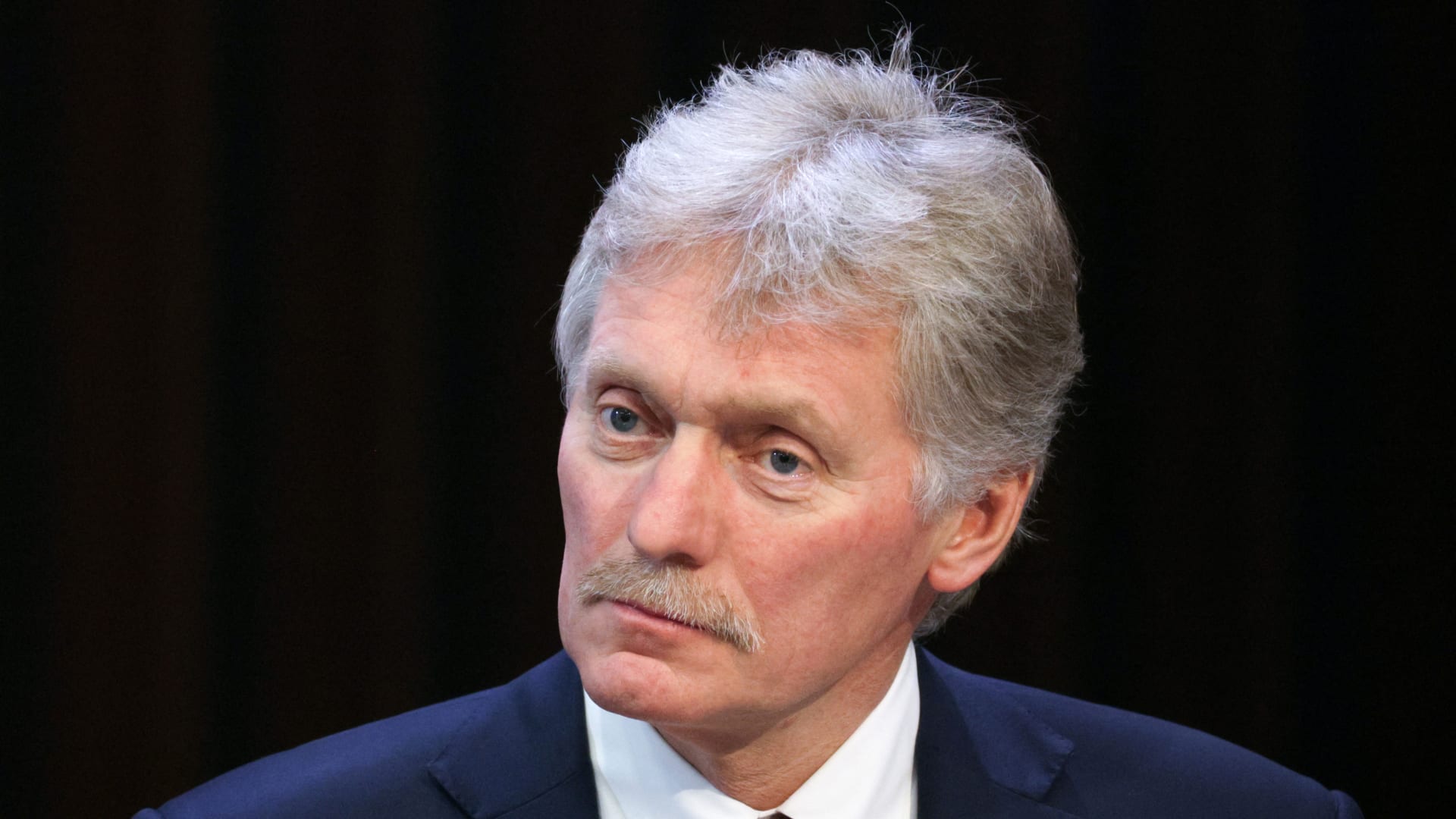
The Kremlin confirmed on Monday that reports indicating a deal between Russia and Iran regarding the cessation of intelligence sharing in exchange for an end to U.S. support for Ukraine are false. In an official statement, the Kremlin spokesperson emphasized that this information is baseless.
These statements come amid rising tensions between Russia and the United States, where both sides are escalating their threats. This issue is central to the ongoing conflict in Ukraine, which has seen multiple interventions from major world powers.
Details of the Report
A report by Politico claimed that Russia had offered the Iranian side to cease their intelligence cooperation if the United States stopped its support for Ukraine. This information has raised concerns in American and European circles, prompting many officials to respond quickly to these allegations.
It's worth mentioning that the cooling of relations between Russia and the West has noticeably increased following Russia's invasion of Ukraine last year, which led to extensive sanctions imposed on Moscow. These sanctions affected several vital sectors, including energy, technology, and trade.
Background & Context
In the past two years, Russia has committed various actions that have impacted the international political landscape, leading to new alliances in various regions of the world. Iran is one of the countries that has entered into a strategic partnership with Russia, especially in the fields of defense and intelligence.
Iran, which also faces international pressures and economic sanctions, finds in its cooperation with Russia a strategic outlet. Therefore, any reports suggesting a kind of exchange between the two countries could inflame the broader and prolonged conflict among global powers.
Impact & Consequences
The Kremlin's affirmation of the falsehood of these reports can be interpreted as an effort to relieve international pressures and a desire to maintain a unified stance towards the West. However, journalistic reports such as those published by Politico could increase skepticism regarding new alliances in the Middle East and Central Asia.
Moreover, the escalation of such accusations may strengthen the presence of factions operating outside the scope of international laws, complicating the security landscape in the region. Consequently, strengthening cooperation among major powers is essential to prevent exacerbation of crises.
Regional Significance
The Middle East is among the most affected regions by the conflicts between major powers. Many Arab countries strive to maintain a balance of power in a landscape altered by international alliances. Such reports may prompt a reevaluation of Arab national security strategies and reinforce ties with Western powers.
Additionally, new developments may influence the regional balance of power, requiring Arab countries to be more cautious in their political and military decisions.
In conclusion, the international situation remains fluid, and recent events underscore that global conflicts continue to cast shadows over regional politics, while countries like the United States, Russia, and Iran play crucial roles in shaping the future of these events.