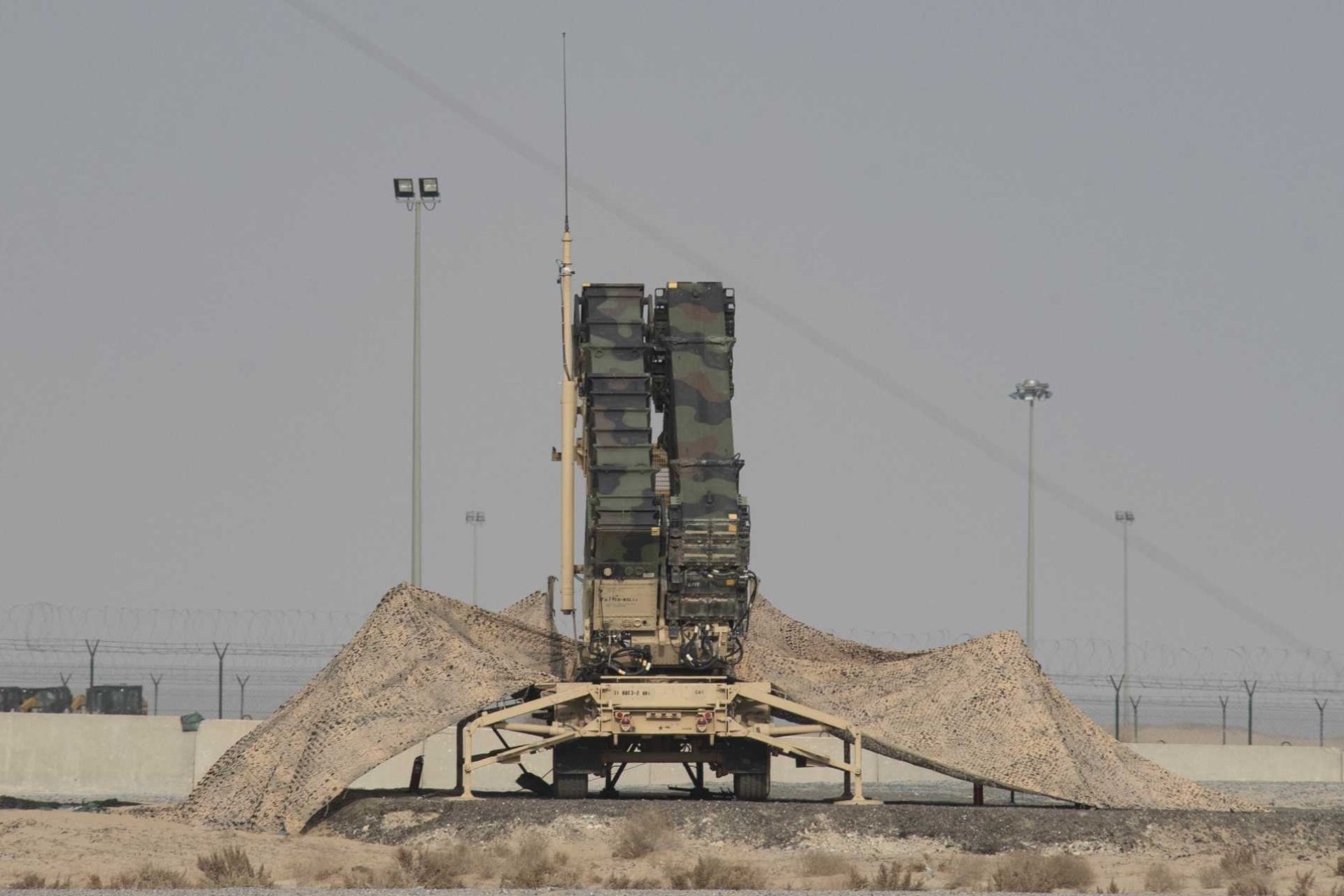
Kuwait's air defenses successfully thwarted missile and drone attacks, showcasing the military's readiness to confront threats amid rising regional tensions. These events come as fears grow over potential attacks that could target the country's security and stability.
Earlier, military sources reported that Kuwaiti air defenses detected several hostile targets in the airspace and successfully intercepted them. These operations reflect the level of training and preparedness of the Kuwaiti armed forces, along with the advanced systems employed to counter these threats.
Details of the Incident
The missile and drone attacks that were repelled involved advanced weaponry that may have been used by hostile entities. It has been confirmed that Kuwaiti air defenses utilized modern technologies to accurately detect and identify targets, contributing to the success of the defensive operations.
This response comes at a sensitive time, as the region is experiencing heightened tensions due to ongoing conflicts in some neighboring countries. Experts have indicated that these attacks could be part of a broader strategy aimed at destabilizing the Gulf region.
Background & Context
Over the years, Kuwait has faced numerous security threats, particularly amid the volatile conditions in the region. Historically, Kuwait has been susceptible to attacks from armed groups, prompting it to continuously enhance its defensive capabilities.
Kuwait seeks to maintain its national security by developing air defense systems and collaborating with its allies in the region. This cooperation includes intelligence sharing and joint training exercises, which bolster the armed forces' ability to respond to any potential threats.
Impact & Consequences
These events may lead to increased tensions between Kuwait and hostile nations, potentially adversely affecting regional security. Kuwait is expected to take further measures to enhance its security, including increasing military spending and upgrading its defense systems.
Moreover, these incidents could impact diplomatic relations between Kuwait and certain countries, as they may escalate tensions if attacks continue or recur.
Regional Significance
These events serve as a wake-up call for other Arab nations, highlighting the need to strengthen defensive capabilities and security cooperation among states. In light of increasing threats, Arab countries must work together to ensure regional stability and security.
In conclusion, Kuwait remains on high alert to face any future threats, reflecting its commitment to maintaining its security and stability amid fluctuating regional circumstances.