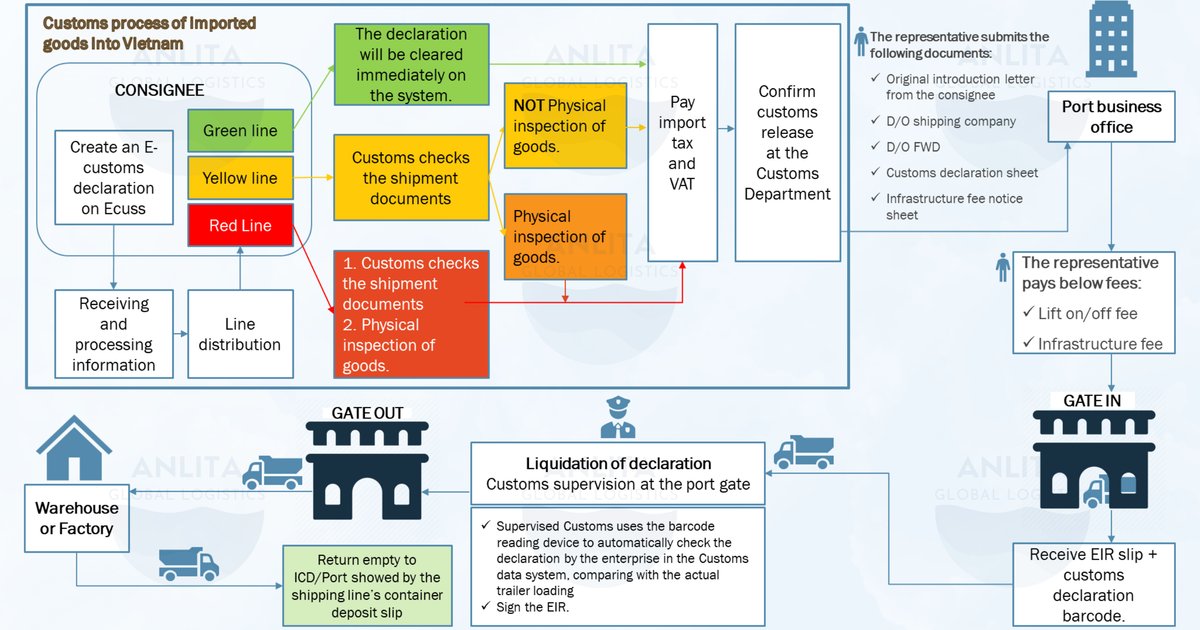
Reports indicate a lack of formal processes for customs payments to release detained goods, raising concerns about transparency and the procedures in place. This issue underscores the need for better regulation in this area.
Complaints are increasing from both citizens and traders regarding the ambiguous procedures governing the customs payment process. Many face difficulties in retrieving their detained goods, leading to significant financial losses. In the absence of transparency, many are concerned about the potential exploitation of the situation by certain parties.
Details of the Issue
This issue pertains to a number of goods that have been detained by customs authorities, where owners are required to pay customs fees to release them. However, the lack of a clear formal process for paying these fees complicates matters further. Many traders have indicated that they have not received any accurate information on how to pay the fees or even the amounts required.
This situation raises questions about how customs manages these operations and whether there is an urgent need to develop a more transparent and effective system. In some cases, delays in the release of goods have been reported, negatively impacting businesses and leading to a loss of trust in the customs system.
Background & Context
Historically, customs has played a vital role in regulating trade and protecting the national economy. However, increasing administrative complexities and bureaucracy have exacerbated the problems. In recent years, many Arab countries have faced growing criticism regarding customs procedures, prompting governments to consider comprehensive reforms.
In this context, it is essential to recognize that transparency in customs procedures is not merely a business requirement but also a fundamental element in building trust between the government and citizens. The absence of transparency can lead to rampant corruption and abuse of power, harming the national economy.
Impact & Consequences
The lack of a formal process for customs payments can have negative repercussions on the local economy. This may deter investors from entering the market and affect traders' ability to compete. Additionally, it can lead to increased prices for consumers, as traders have to bear additional costs due to delays in the release of goods.
Moreover, this issue may affect the country's reputation in the international community. Countries that struggle with transparency and customs procedures may find it difficult to attract foreign investments, negatively impacting economic growth.
Regional Significance
This issue serves as a model for broader problems faced by many Arab countries. As economic challenges increase, it becomes essential to improve customs procedures and enhance transparency. Addressing these issues can help build trust between the government and citizens, leading to an improved business environment.
Ultimately, it requires joint efforts from all stakeholders, including the government, the private sector, and civil society, to achieve effective reforms in this area. Improving customs procedures is not just an administrative matter but a crucial step toward achieving sustainable development in the region.