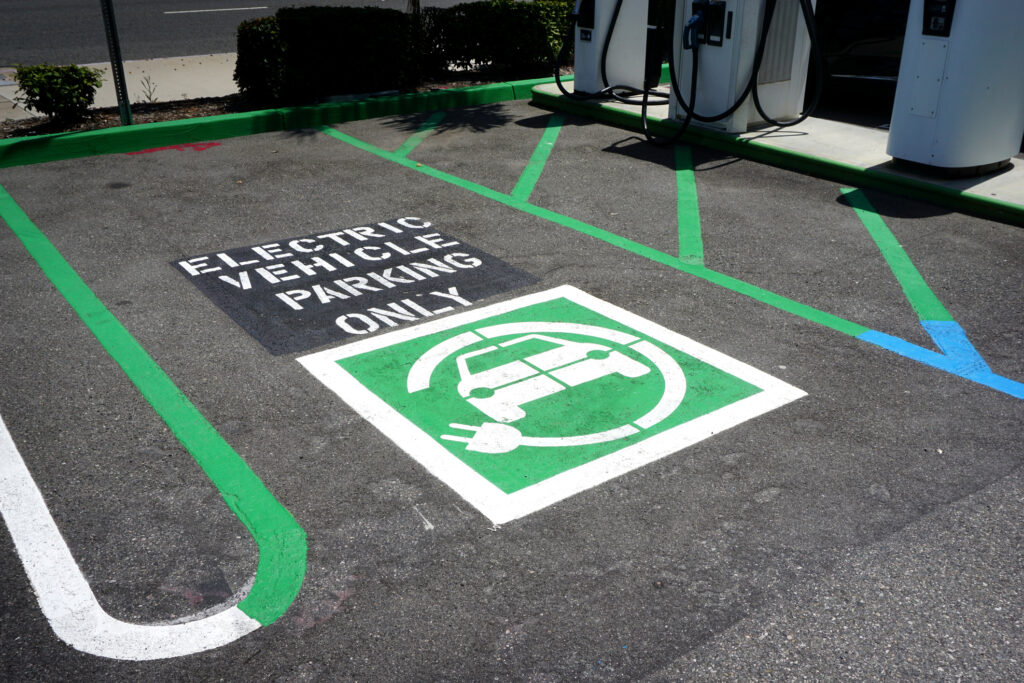
The government of Cirebon, located in West Java, Indonesia, has announced the launch of 11 electric vehicle charging stations at several government sites. This initiative is designed to enhance the use of electric vehicles and support the transition to clean energy in the city.
In a statement, Ujianto, the acting head of the city's transportation department, confirmed that these stations are the result of collaboration between the local government and the private sector, utilizing government assets to provide this vital service.
Event Details
The locations of the charging stations have been strategically chosen, including the office of the Investment and Integrated Investment Services Department, which is integrated with the Public Services Mall, as well as the headquarters of the Local House of Representatives and other areas in the city. The installation process for the stations has already begun, with all necessary equipment being set up.
The stations will include charging units and cables, along with blue parking signs that make it easier for drivers to locate charging spots. These stations are expected to contribute to an increase in the number of electric vehicles in the city, reflecting the government's commitment to enhancing environmental sustainability.
Background & Context
This initiative comes as part of the growing global efforts to transition to clean energy, with many countries striving to reduce carbon emissions and promote the use of electric vehicles. Indonesia, as a developing country, faces significant challenges in this area, but it has begun to adopt policies that support innovation in transportation.
Historically, Indonesia has relied heavily on fossil fuels, but with increasing environmental awareness, the government has started taking serious steps towards transitioning to renewable energy sources. The launch of these stations is an important step towards achieving sustainable development goals.
Impact & Consequences
The inauguration of these stations is expected to have a positive impact on both the environment and the local economy. Increased use of electric vehicles can reduce air pollution, contributing to improved quality of life in the city. Additionally, this step may encourage new investments in the clean energy sector.
Furthermore, this initiative could create new job opportunities in the renewable energy sector, boosting economic growth in the region. The collaboration between the government and the private sector in this project reflects the importance of partnerships in achieving environmental goals.
Regional Significance
This initiative in Cirebon serves as a model for Arab countries that are also seeking to enhance the use of clean energy. Many Arab nations, such as the UAE and Saudi Arabia, have begun significant investments in renewable energy, reflecting their commitment to transitioning to a sustainable economy.
Promoting the use of electric vehicles in Arab countries can help reduce dependence on oil, enhancing the sustainability of their economies. Additionally, sharing experiences among countries can accelerate the transition to clean energy.
In conclusion, the launch of 11 electric vehicle charging stations in Cirebon is an important step towards achieving sustainable development. This initiative represents a new beginning towards a more sustainable future, not only for Indonesia but also for other countries striving to achieve similar goals.