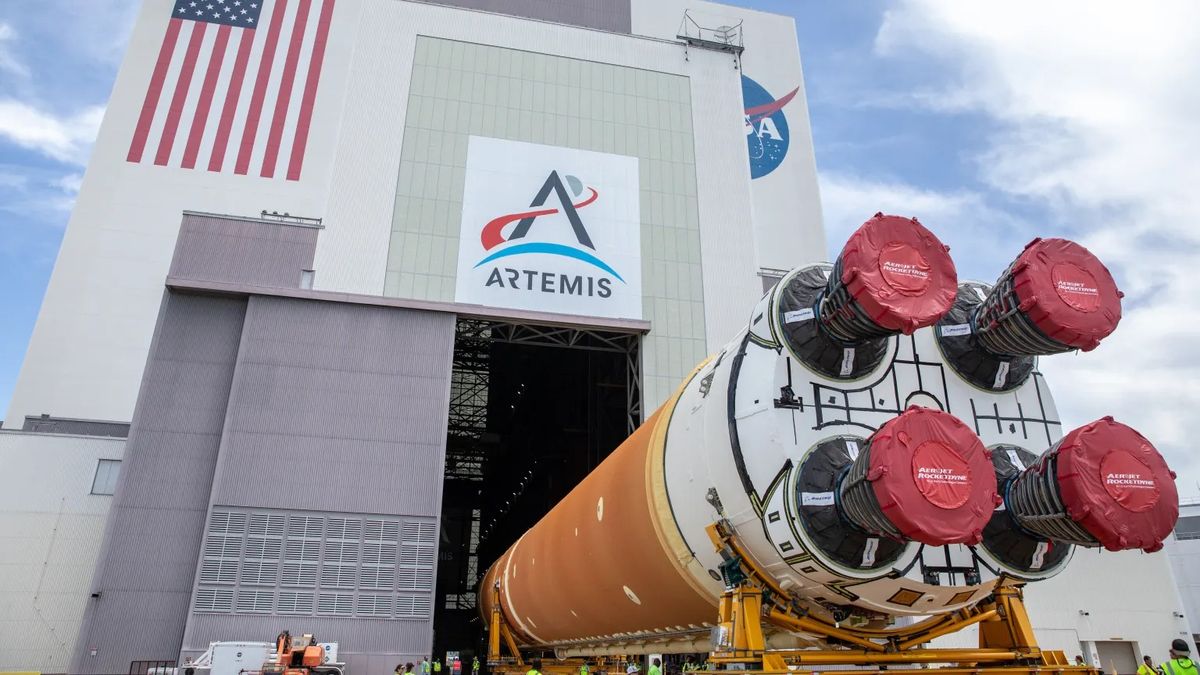
NASA is preparing to launch Artemis 2, which represents the first manned mission to orbit the Moon since the Apollo 8 mission that launched in 1968. This mission is part of the Artemis program, which aims to return humans to the Moon and explore space more deeply, with the flight expected to launch sometime next year.
The Artemis 2 mission will include a crew of four astronauts, who will perform a loop around the Moon before returning to Earth. This mission marks an important step towards achieving NASA's goals in space exploration, including preparations for future missions to Mars.
Event Details
Artemis 2 will be the first manned mission to utilize the Orion spacecraft, designed to transport astronauts into deep space. The spacecraft will make a journey around the Moon, passing close to its surface before returning to Earth. The trip is expected to last about 10 days and will serve as a vital test of the systems used in future missions.
This mission follows the successful test of the uncrewed Artemis 1 vehicle, which demonstrated NASA's capability to launch the spacecraft into space. Additionally, Artemis 2 is part of a larger plan aimed at establishing a base on the Moon, which will enable further research and exploration in the future.
Background & Context
The history of lunar exploration dates back to the 1960s, when the United States was in a race with the Soviet Union to reach the Moon. In 1969, astronaut Neil Armstrong successfully landed on the lunar surface, marking a significant turning point in space history. Since then, manned missions to the Moon have ceased, but with advancements in technology and increased interest in space, NASA is once again planning new missions.
The Artemis program represents a strong return for the United States to lunar exploration and also reflects international cooperation in the field of space. Many countries and private companies are participating in this program, enhancing opportunities for innovation and scientific progress.
Impact & Consequences
The Artemis 2 mission is a crucial step towards achieving NASA's goals in space exploration, as it will help test the necessary systems for future missions. The success of this mission could open doors for further explorations, including trips to Mars.
This mission also highlights the importance of international cooperation in space, with multiple countries participating in this program. Such collaboration could contribute to strengthening relationships between nations and fostering innovation in technology.
Regional Significance
For Arab countries, the Artemis program represents an opportunity to enhance cooperation in the fields of space and technology. Many Arab nations have begun developing their own space programs, reflecting their growing interest in this area. These programs could contribute to the development of scientific and technological capabilities in the region.
Furthermore, the success of the Artemis 2 mission may encourage Arab countries to increase their investments in space, potentially leading to more achievements in this field.
In conclusion, the launch of Artemis 2 marks a new beginning in space exploration, reflecting NASA's ambitious goals. With advancements in technology and increased international cooperation, we may witness a bright future in the field of space.