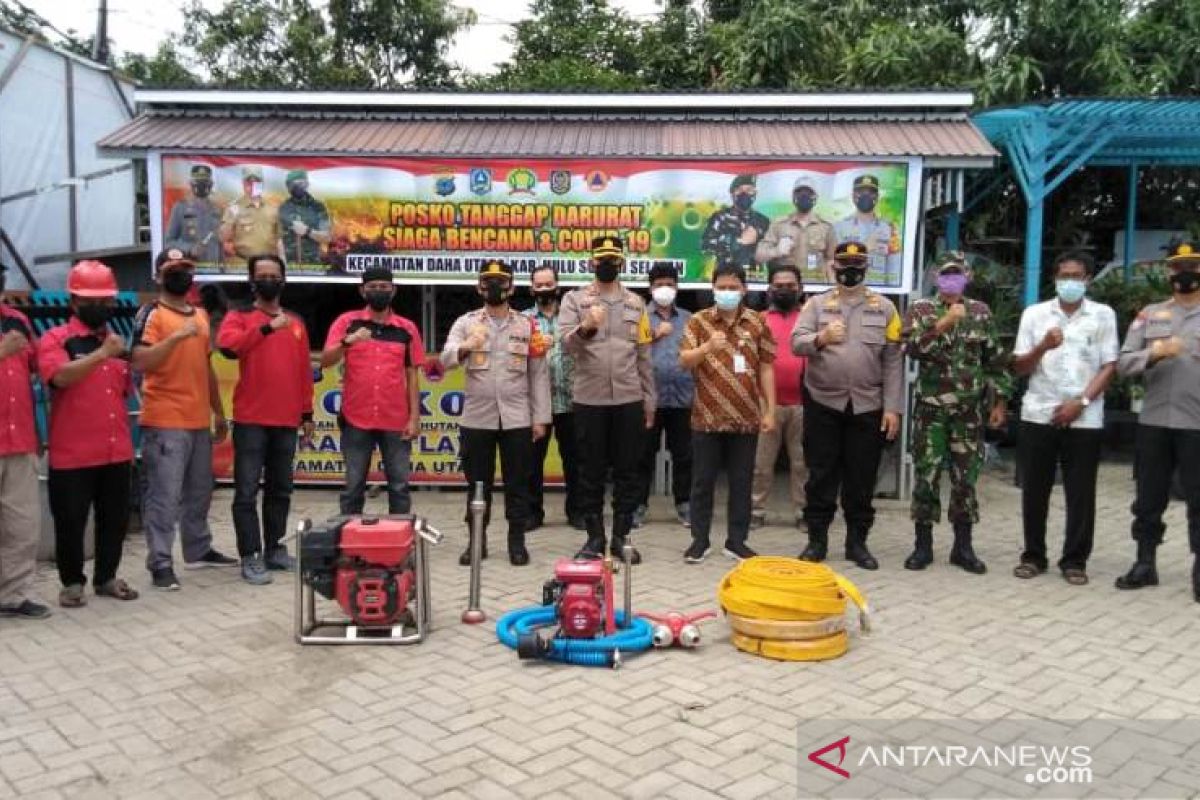
The Social Affairs Department in South Kalimantan, Indonesia, has activated an emergency center to address forest fires as part of its preparations for the impacts of the El Niño phenomenon. This measure comes at a time when concerns are rising over potential environmental risks that may arise from this climatic phenomenon.
The local authorities aim to enhance rapid response to fires by equipping the center with necessary resources and providing training for its personnel. The center is intended to coordinate efforts among various governmental and community entities to tackle the environmental challenges that may emerge due to climate changes.
Details of the Initiative
This step comes at a critical time, as forecasts indicate that the El Niño phenomenon could lead to increased temperatures and greater drought in the region, heightening the risk of forest fires. Strategic locations have been identified for establishing emergency centers, where they can be most effective in dealing with potential fires.
Specialized task forces have also been designated to monitor the environmental situation and provide technical support to local communities. This includes raising awareness among residents on how to handle fires and report any incidents that may occur.
Background & Context
Forest fires represent a significant challenge facing Indonesia, which has experienced several devastating fires in recent years that have destroyed vast areas of forest. These forests are home to numerous animal and plant species, making their preservation essential.
Historically, forest fires in Indonesia have been linked to deforestation for agricultural and industrial purposes, exacerbating the problem. With the increasing impacts of climate change, the need for effective strategies to address these challenges has become more urgent.
Impact & Consequences
The repercussions of forest fires extend beyond environmental damage, as they also affect public health and the local economy. The smoke generated by the fires can lead to serious health issues, particularly among children and the elderly. Additionally, the loss of forests impacts tourism and agriculture, which are major sources of income in the region.
The Indonesian government is seeking to enhance cooperation with international and local organizations to tackle these challenges. The emergency center is considered an important step in this direction, as it facilitates coordination of efforts and strengthens the capacity of local communities to respond to crises.
Regional Significance
While this news may seem to pertain only to Indonesia, the impacts of climate change and forest fires represent global issues that affect all countries, including Arab nations. As temperatures and drought increase in some Arab regions, there may be an urgent need to adopt similar strategies to address environmental risks.
Regional and international cooperation in disaster management is essential, as Arab countries can benefit from the experiences and lessons learned from Indonesia and other nations facing similar challenges.