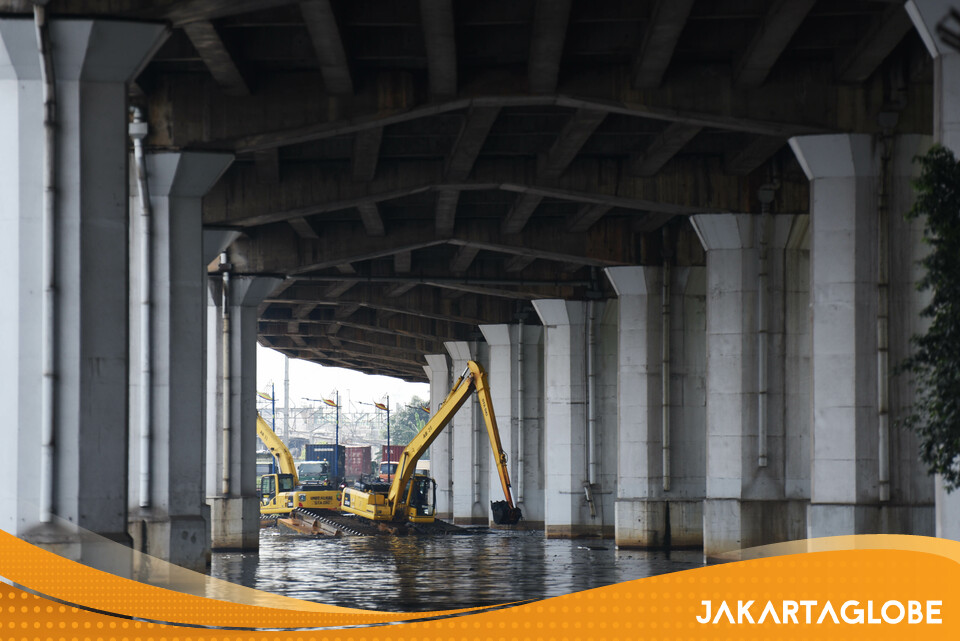
The Jakarta provincial government (Pemprov DKI Jakarta) has announced the addition of five giant pumps in the Ancol area, north of Jakarta, as part of its efforts to control flooding caused by rising water levels. This initiative is part of improving the drainage system in coastal areas that frequently suffer from flooding issues.
Jakarta Governor Anies Baswedan revealed that these pumps will enhance the capacity of the drainage system, particularly in flood-prone areas such as Pademangan and Gunung Sahari. The new pumps will have a capacity of 40 cubic meters per second, raising the total capacity to 80 cubic meters per second, equivalent to 80,000 liters per second.
Details of the Initiative
In his statements, Baswedan noted that the current capacity at the site is approximately 15 cubic meters per second, and with the addition of the new pumps, it will significantly improve. These pumps will also work in conjunction with the pumps operated by the central government in the Ancol Sinjiong area, which have a similar capacity.
This project is part of the Jaktirta Project, which aims to enhance water management systems in five regions of Jakarta. The new pumps will bolster the existing system, which currently includes three operational pumps.
Background & Context
Flooding in Jakarta is a persistent issue affecting residents' lives, as the city struggles with drainage problems due to rising water levels and low-lying areas. Historically, Jakarta has experienced numerous major floods that have resulted in significant property and life losses.
The city's geographical challenges, combined with climate change impacts, have exacerbated the flooding situation, making it crucial for the government to implement effective solutions to mitigate these risks.
Impact & Consequences
This project is expected to have a significant positive impact on Jakarta's residents, as it will help reduce the flooding that disrupts daily life. Additionally, improving the drainage system will enhance the city's ability to face future climate challenges.
Moreover, the initiative is anticipated to improve the overall quality of life for citizens, as it aims to minimize the risks associated with flooding and enhance urban resilience.
Regional Significance
The addition of these pumps is not only vital for Jakarta but also serves as a model for other cities facing similar flooding challenges. By sharing experiences and strategies, Jakarta can collaborate with other regions, including those in the Arab world, to improve water management systems.
In conclusion, the implementation of these giant pumps in Ancol represents a proactive step towards addressing the chronic flooding issues in Jakarta and enhancing the city's infrastructure to better cope with environmental challenges.