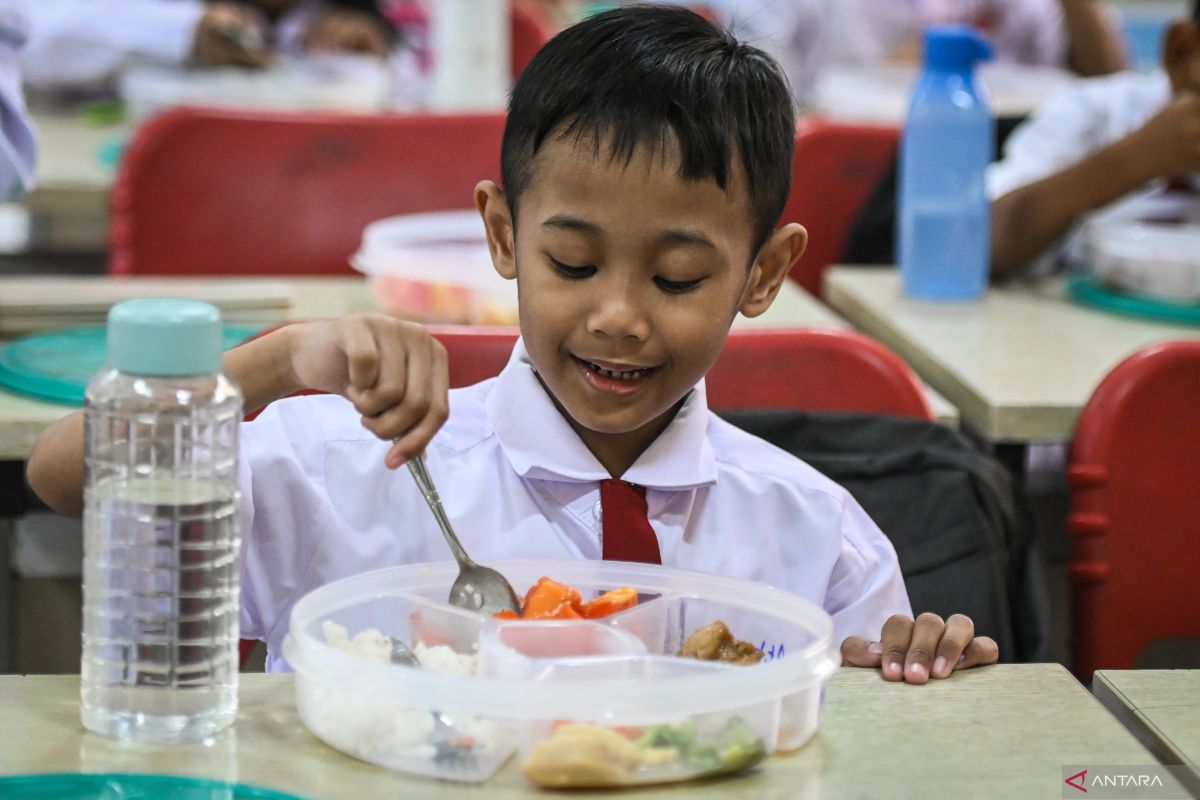
Indonesian Parliament's Financial Affairs Committee Chairman, Mukhamad Misbachun, announced that the 'Free Nutritious Food' (MBG) program serves as a government tool to enhance the quality of human resources in the country. This declaration was made during a public hearing event in Pasuruan, where he stressed the significance of proper nutrition for children to secure a better future.
Misbachun explained that this program is part of the government's interventions aimed at improving the quality of education and health among children. He stated, 'In the past, we had to pay for education and go to school without having breakfast, but now the government cares about children's nutrition and provides them with healthy food.'
Event Details
During his speech, Misbachun urged citizens not to be swayed by negative information that could affect their views on government policies. He pointed out that the MBG program aims to empower children to compete with major countries, which necessitates community support for such initiatives.
He also addressed the government's efforts to maintain subsidized fuel prices, despite pressures from rising global energy prices. He affirmed that government policies are designed to protect citizens' purchasing power, especially in light of the current economic conditions.
Background & Context
Indonesia is considered one of the largest countries in Southeast Asia, facing significant challenges in education and nutrition. Historically, there have been numerous attempts to improve education quality, but nutrition issues have often been overlooked. Nonetheless, the MBG program represents a step towards comprehensively addressing these issues.
The Indonesian government, under the leadership of President Prabowo Subianto, seeks to stabilize subsidized fuel prices, reflecting its commitment to alleviating burdens on citizens. The importance of these policies has been emphasized amid fluctuating global economic conditions.
Impact & Consequences
The free nutrition program is expected to contribute to improving students' performance in schools, potentially leading to better educational outcomes. Additionally, enhancing proper nutrition for children can reduce rates of diseases related to malnutrition, positively impacting public health.
Furthermore, maintaining subsidized fuel prices is a crucial step in protecting the local economy, which may help promote social and economic stability in the country.
Regional Significance
Indonesia's experience in improving education and nutrition quality serves as a model that Arab countries can benefit from. Many Arab nations face similar challenges in education and health, necessitating the adoption of effective policies to enhance quality of life.
In light of the economic crises affecting some Arab countries, food and educational support programs could serve as effective solutions to improve living conditions and promote sustainable development.