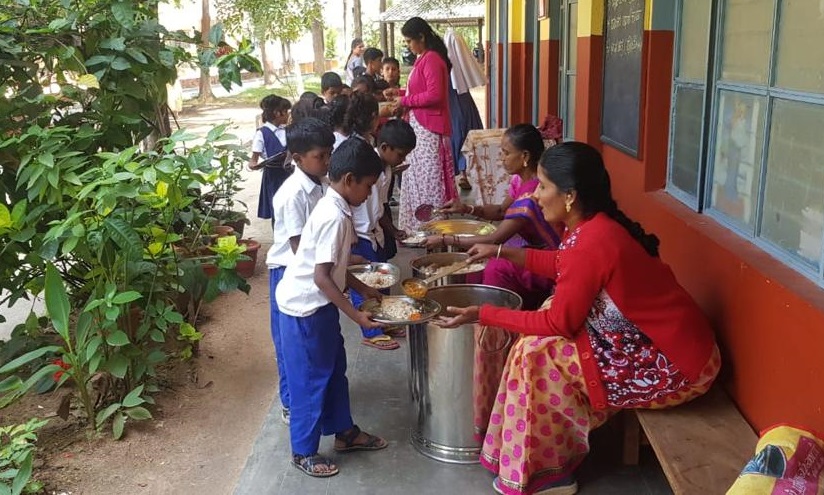
In a move aimed at improving children's health in Indonesia, the National Nutrition Agency (BGN) has announced the launch of the "Free Nutritious Meals" (MBG) program for students in schools. The program will be implemented for five days a week, with the exception of remote areas and regions suffering from high stunting rates, where it will be applied for six days.
Dadang Hindayana, the head of BGN, stated that this program is part of a comprehensive strategy to ensure that children receive the necessary nutrition daily. He emphasized that the program specifically targets children in areas suffering from malnutrition, contributing to their health and growth improvement.
Event Details
According to data collected from the 2024 Indonesian Nutrition Status Survey, the agency will identify the areas that will benefit from this program based on stunting rates and nutritional needs. This includes gathering accurate information about the number of schools and students in each area, as well as stunting rates.
The eastern regions of Indonesia, such as Sumatra and Papua, are among the most in need, as they still suffer from high stunting rates. Officials confirm that the accuracy of the data will be crucial to ensure the program's success.
Background & Context
The issue of stunting is one of the major challenges facing Indonesia, affecting children's growth and development. According to previous reports, stunting rates in some areas reach alarming levels, necessitating urgent interventions to improve nutritional status.
Historically, Indonesia has suffered from a lack of school nutrition programs, negatively impacting children's health. However, the current government is striving to change this reality through programs like MBG, which aim to provide necessary nutrition to children in schools.
Impact & Consequences
The MBG program is expected to have a significant positive impact on children's health in Indonesia. Proper nutrition plays a vital role in enhancing learning ability and physical growth. Furthermore, this program reflects the government's commitment to improving the health of the next generation.
Moreover, improving nutrition can contribute to reducing poverty rates in the long term, as healthy children are more capable of learning and working in the future. Therefore, this program is considered an investment in the country's future.
Regional Significance
Although this program focuses on Indonesia, issues related to nutrition and public health remain relevant in many Arab countries. Some Arab nations face similar problems with stunting and malnutrition, necessitating the adoption of similar strategies to improve children's nutritional status.
Arab countries can benefit from Indonesia's experiences in this field by developing comprehensive school nutrition programs targeting the most vulnerable groups. Improving nutrition in schools can have positive effects on public health and the economy in the region.