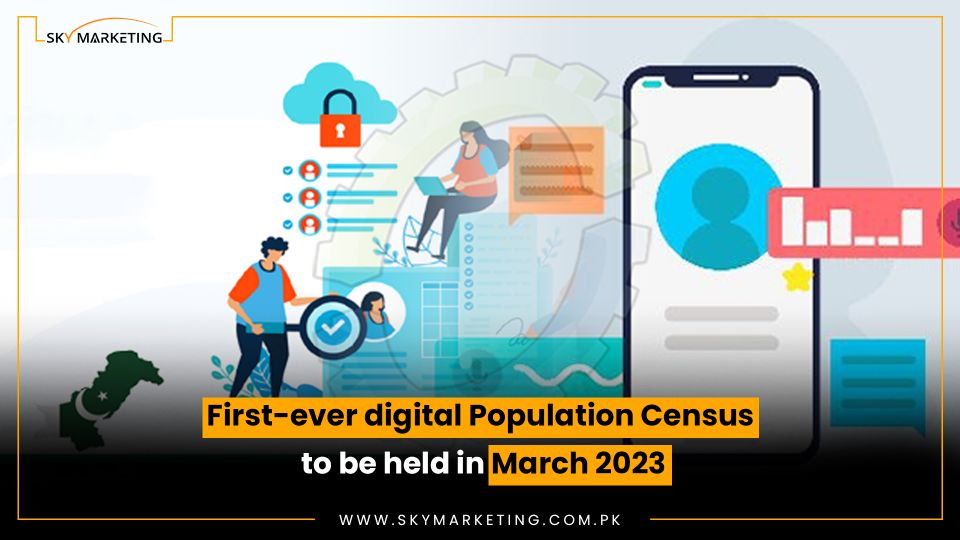
India has initiated its first census in over a decade at the beginning of April, expected to take about a year to complete. This monumental project aims to survey over a billion people to address social and economic disparities in the country.
The new census is the first of its kind to be conducted digitally, reflecting the technological advancements India has achieved in recent years. This census involves the use of advanced technologies for data collection, facilitating the survey process and increasing its accuracy.
Event Details
More than one million government employees are participating in this census, distributed across the country to gather information from households. The census includes a range of questions related to the social and economic status of families, enabling the government to gain a better understanding of the challenges the country faces.
This step comes at a time when social gaps in India are widening, with many citizens suffering from poverty and discrimination. The census results are expected to provide vital data that will assist the government in formulating effective strategies for social and economic development.
Background & Context
A census is a periodic process conducted by governments to collect accurate data about the population and its characteristics. In India, the last census was conducted in 2011, and since then, the country has witnessed significant changes in its demographic and economic landscape.
India is considered one of the largest countries in the world in terms of population, with an estimated population of over 1.4 billion people. However, economic and social gaps continue to pose a major challenge, necessitating the need for accurate data to guide government policies.
Impact & Consequences
This census is expected to have a significant impact on social and economic policies in India. The data collected will help the government identify the areas most in need of development, allowing for more effective resource allocation.
Furthermore, the census may contribute to enhancing transparency and accountability in the government, as citizens can utilize the available data to monitor the government's performance in addressing social gaps.
Regional Significance
India's experience in conducting a digital census serves as a model for Arab countries facing similar challenges in population data collection. Arab nations could benefit from employing technology in their census processes, facilitating data collection and improving accuracy.
Given the economic and social challenges faced by many Arab countries, accurate data collected through population censuses could enhance government policies and promote sustainable development.