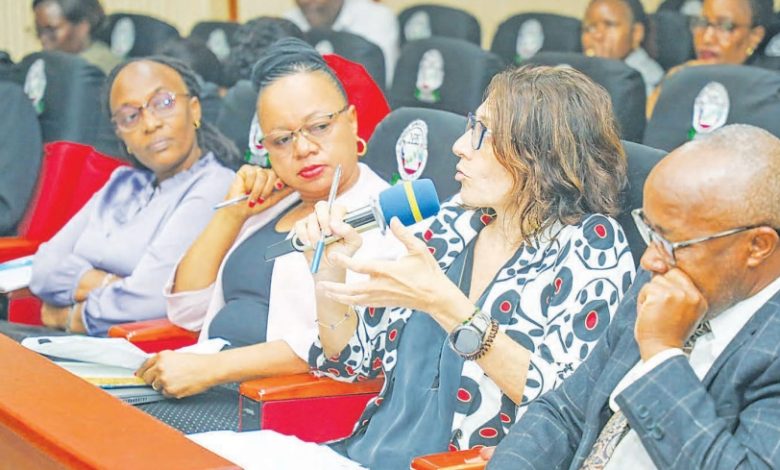
Indonesian Minister of Cooperatives, Ferry Juliantono, announced the launch of a new initiative aimed at enhancing the protection of women and children in local communities by equipping local cooperatives known as Kopdas Merah Putih with complaint centers. This announcement was made during an official meeting in Jakarta, where the minister emphasized the importance of these centers in providing necessary support to women and children who may be subjected to violence or exploitation.
Juliantono pointed out that these centers will provide a safe environment for women and children, making it easier for them to report any incidents they may have experienced. He affirmed that this step reflects the commitment of the Indonesian government to protect the rights of vulnerable groups in society, particularly women and children.
Details of the Initiative
During the meeting held with the Minister of Women's Empowerment and Child Protection, Ririna Fawzi, ways to enhance cooperation between the two ministries in the field of protecting women and children were discussed. Juliantono explained that the new centers will be integrated into local cooperative programs, facilitating access to protection services.
He also noted that these centers will work to raise awareness about the rights of women and children and provide psychological and social support to them. He stressed the importance of collaboration between the government and civil society in achieving these goals.
Background & Context
Indonesia is considered one of the countries facing significant challenges in the field of women's rights and protection. Despite the progress made in recent years, many women and children remain vulnerable to violence and exploitation. Therefore, this initiative comes as part of the government's efforts to improve the living conditions of vulnerable groups.
Historically, there have been several attempts to promote women's rights in Indonesia, but social and cultural challenges persist. Nevertheless, this initiative represents a positive step towards achieving greater social justice.
Impact & Consequences
This initiative is expected to have a positive impact on Indonesian society, as it will help reduce cases of violence against women and children. It will also contribute to raising awareness about the rights of vulnerable groups, which may lead to positive changes in community culture.
Furthermore, this step may encourage more women to engage in economic and social activities, thereby enhancing their roles in society. It could also lead to improved economic conditions for families, as women will be able to access the necessary support to achieve their financial independence.
Regional Significance
This initiative serves as a model for Arab countries facing similar challenges in the field of women's rights. Arab nations can benefit from Indonesian experiences in enhancing the protection of women and children and developing similar programs that meet the needs of their communities.
Given the challenges faced by women in many Arab countries, enhancing their rights and protection is essential for achieving sustainable development. Thus, this Indonesian initiative may inspire Arab governments to take similar steps.