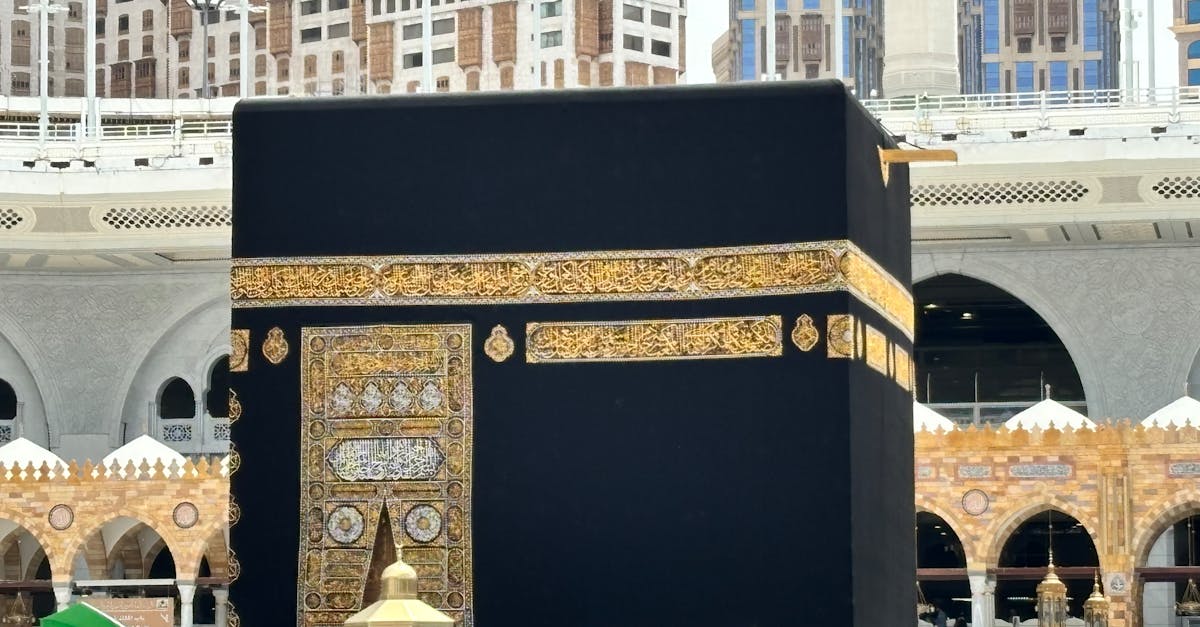
Saudi authorities have announced the launch of integrated operational and technical services aimed at organizing the Tawaf al-Ifadah and facilitating the movement of pilgrims at the Grand Mosque. This initiative is part of ongoing efforts to provide the best services for pilgrims and ensure a safe and comfortable environment for them during their rituals.
The new services include the use of modern technologies such as artificial intelligence and big data, which will help improve crowd management and effectively guide pilgrims. The Grand Mosque has also been equipped with modern devices to facilitate the entry and exit process, ensuring smooth movement and reducing congestion.
Details of the Initiative
The services provided include smart applications that assist pilgrims in knowing the timings for Tawaf and identifying suitable routes to avoid congestion. Trained teams have also been designated to assist pilgrims and provide necessary guidance. These initiatives reflect the Kingdom's commitment to offering the best services to the guests of Allah and facilitating the performance of Hajj rituals.
As part of these services, collaboration between various governmental and private entities has been enhanced to ensure the highest levels of efficiency in organizing the Tawaf. Emergency plans have also been established to address any emergencies that may occur during the Hajj period.
Background & Context
Historically, the Hajj rituals have faced numerous challenges related to crowd management, especially in sacred places. With the increasing number of pilgrims each year, it has become essential to develop new strategies that keep pace with this growth. Saudi Arabia, which hosts millions of pilgrims annually, is always striving to provide a distinguished and safe experience for pilgrims.
In recent years, many technological innovations have been introduced in Hajj services, such as smartphone applications that provide instant information about services and facilities. These developments reflect the Kingdom's Vision 2030, which aims to improve the quality of life and enhance religious tourism.
Impact & Consequences
These technical services are expected to contribute to reducing congestion and improving the experience of pilgrims, reflecting the Kingdom's commitment to providing a safe and comfortable environment. The use of modern technology will also help enhance the efficiency of the services provided, positively impacting the Kingdom's reputation in hosting pilgrims.
This step is also part of ongoing efforts to promote religious tourism in the Kingdom, as the government seeks to attract more pilgrims from around the world. Improving the services provided to pilgrims enhances the Kingdom's position as a major hub for Hajj and Umrah.
Regional Significance
The Hajj experience in the Kingdom serves as a model for other Arab and Islamic countries. The Kingdom's success in organizing Hajj can motivate other countries to develop their services in this field. Furthermore, enhancing the experience of pilgrims can strengthen relations between Islamic countries and reflect the spirit of cooperation and solidarity.
In conclusion, the Kingdom's efforts in organizing Hajj and facilitating the movement of pilgrims serve as an exemplary model of how to use technology to improve public services. These initiatives reflect the Kingdom's commitment to providing the best services to the guests of Allah, contributing to enhancing its status as a leading religious destination.