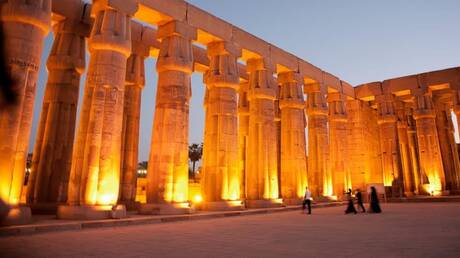
The Egyptian Ministry of Tourism and Antiquities has announced the commencement of a massive restoration and development project for the most significant ancient temples in Luxor Governorate, which includes the Karnak Temple and the Temple of Hatshepsut. This project is part of a comprehensive plan aimed at enhancing the efficiency of archaeological sites and improving visitor experiences, reflecting the Egyptian government's commitment to preserving the country's cultural and historical heritage.
The Karnak Temple is considered one of the largest temples in the world, distinguished by its unique architectural design and magnificent decorations. Meanwhile, the Temple of Hatshepsut symbolizes the strength of women in ancient Egyptian history, as Queen Hatshepsut represents one of the most prominent female figures in Pharaonic civilization. The project aims to rehabilitate these temples to make them more attractive to tourists, thereby enhancing Egypt's status as a global tourist destination.
Project Details
The project includes several phases, involving restoration and development work that will be supervised by local and international experts. Modern techniques will be employed to preserve the archaeological landmarks and ensure their sustainability for future generations. The project is expected to contribute to an increase in the number of visitors to these temples, which will boost the local economy and create new job opportunities.
The Ministry of Tourism and Antiquities aims to improve the infrastructure surrounding the temples, including the establishment of visitor information centers and the provision of additional services that enhance the tourism experience. Plans will also include the development of tourist pathways to facilitate access to the temples and provide rich historical and cultural information to visitors.
Background & Context
Luxor is considered one of the most important tourist destinations in Egypt, housing numerous archaeological sites dating back to the Pharaonic era. Over the years, Luxor has witnessed many restoration and development projects, but this project is the largest of its kind to date. It comes at a time when Egypt is striving to regain its status as a major tourist destination after the challenges faced in recent years.
Historically, Luxor was the capital of ancient Egypt and contains one-third of the world's monuments, making it a significant center for archaeological and tourism studies. The development of these temples is part of a broader strategy to enhance tourism in the country, which is considered one of the main sources of national revenue.
Impact & Consequences
The project is expected to attract more tourists from around the world, thereby boosting the Egyptian economy. Tourism is one of the vital sectors contributing to job creation and improving the living standards of many Egyptians. Additionally, enhancing the visitor experience will strengthen Egypt's reputation as a safe and attractive tourist destination.
Moreover, this project reflects the Egyptian government's commitment to preserving cultural and historical heritage, which may encourage further investments in the tourism sector. It can also serve as a model for other countries seeking to develop their archaeological sites.
Regional Significance
The restoration project for the temples in Luxor is an important step in promoting cultural tourism in the Arab region. This project could encourage other countries to invest in the restoration of their archaeological sites, enhancing cultural and tourism cooperation among Arab nations. The success of this project may also restore hope for many countries that rely on tourism as a primary source of revenue.
In conclusion, the restoration and development project for the ancient temples in Luxor represents a strategic step towards enhancing tourism in Egypt and improving visitor experiences. Preserving cultural heritage is a collective responsibility and should be part of a comprehensive vision for sustainable development in the region.