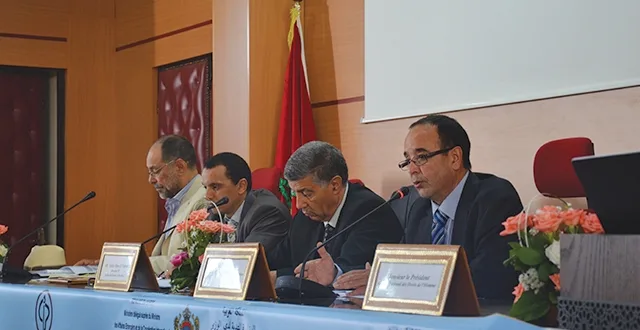
Tomorrow, the Egyptian capital Cairo will host a ministerial meeting for African countries leading the implementation of the Global Compact for Safe Migration. The meeting aims to enhance cooperation among African nations in migration and ensure the rights of migrants, as part of efforts to address the challenges associated with migration.
This meeting comes at a time when the African continent is witnessing a significant increase in migration movements, both within and outside countries. It is expected that ministers of migration and foreign affairs from several African nations will participate in the meeting, along with representatives from international and regional organizations concerned with migration issues.
Event Details
During the meeting, a range of important issues related to migration will be discussed, including how to improve the conditions of migrants and enhance their rights, as well as sharing experiences among African countries in this field. The progress made in implementing the goals of the Global Compact for Safe Migration, adopted in 2018, will also be reviewed.
This meeting represents an opportunity to unify African efforts in addressing migration-related challenges and to enhance cooperation among member states of the African Union. The meeting will also address ways to strengthen partnerships with international and regional organizations to achieve the desired goals.
Background & Context
Migration is a vital issue facing the African continent, with millions of Africans migrating in search of job opportunities and a better life. This has led to multiple challenges, including irregular migration and human trafficking, necessitating urgent action from African governments.
In recent years, many African countries have launched initiatives aimed at improving migration management and enhancing the rights of migrants. The Global Compact for Migration serves as an international framework aimed at achieving this, reflecting the commitment of countries to improve the conditions of migrants and enhance international cooperation.
Impact & Consequences
This meeting is expected to contribute to strengthening cooperation among African countries in the field of migration, which could lead to improved conditions for migrants and reduced risks associated with irregular migration. It may also contribute to enhancing security and stability in African countries by addressing the root causes of migration.
Furthermore, enhancing cooperation among African countries in the field of migration could open new avenues for economic and social development by leveraging the potential of migrants and achieving mutual benefits.
Regional Significance
Migration is also an important issue in the Arab region, where many Arab countries are experiencing significant inflows of migrants. Therefore, enhancing cooperation among African countries in this area could have a positive impact on Arab countries by sharing experiences and applying best practices.
Improving the conditions of migrants in African countries could also help reduce pressures on Arab countries and enhance regional stability.
In conclusion, the ministerial meeting in Cairo represents an important step towards enhancing African cooperation in the field of migration, reflecting the commitment of African countries to achieve the goals of the Global Compact for Safe Migration.