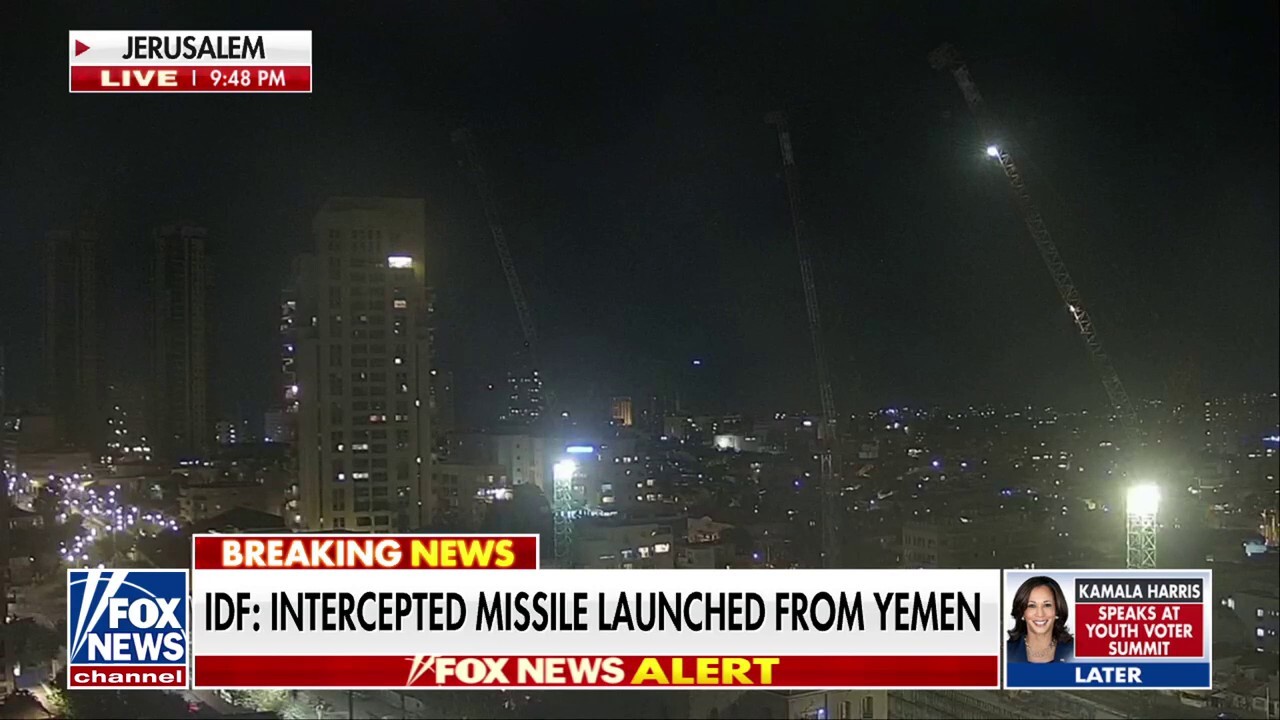
On Saturday morning, the Israeli military announced the detection of a missile launch from Yemen, an event considered the first of its kind since the escalation of the regional conflict. These developments come a month after the outbreak of the U.S.-Israeli war against Iran, raising concerns about rising tensions in the region.
So far, there have been no precise details regarding the identity of the party that launched the missile or the target it aimed at. However, this attack comes at a sensitive time, as military activities in the region have increased, reflecting the escalation of tensions between regional and international powers.
Details of the Incident
While no party has claimed responsibility for the missile launch, reports suggest that the Houthis, who receive support from Iran, may have played a role in this attack. The Houthis, who control large parts of Yemen, may have seized this opportunity to showcase their military strength under the current circumstances.
This escalation follows a series of military events in the region, including increasing pressures on Iran from the United States and its allies. Recent statements from the Houthis indicate that they are prepared to respond to any aggressions against them, further heightening tensions in the area.
Background & Context
Historically, the relationship between the Houthis and Iran has been characterized by close cooperation, with the Houthis being considered part of the resistance axis that includes several factions in the region. Since the outbreak of the civil war in Yemen in 2015, the Houthis have managed to strengthen their military capabilities, making them a key player in the regional conflict.
These events coincide with rising tensions between Iran and the United States, as the latter seeks to undermine Iranian influence in the region. The Houthis, supported by Tehran, aim to bolster their military and political presence in Yemen, complicating the regional landscape.
Impact & Consequences
This escalation could lead to increased tensions between Israel and Iran, as Tel Aviv may take additional military steps against the Houthis or any Iranian targets in the region. Furthermore, this attack could be seen as a message from the Houthis to their adversaries, indicating that they are capable of delivering military strikes even under challenging circumstances.
Moreover, this escalation may affect peace efforts in Yemen, as negotiations between the conflicting parties could become more complicated. With rising violence, the international community may face new challenges in attempting to find a peaceful resolution to the conflict.
Regional Significance
This incident serves as a wake-up call for Arab countries, demonstrating that regional conflicts can impact security and stability in the area. Additionally, the increase in military activities could exacerbate humanitarian crises in Yemen, where the population suffers from the consequences of the ongoing war.
Ultimately, the situation in Yemen and the region as a whole remains complex, with overlapping regional and international interests. The current situation requires careful analysis and a deep understanding of the potential implications for regional security.