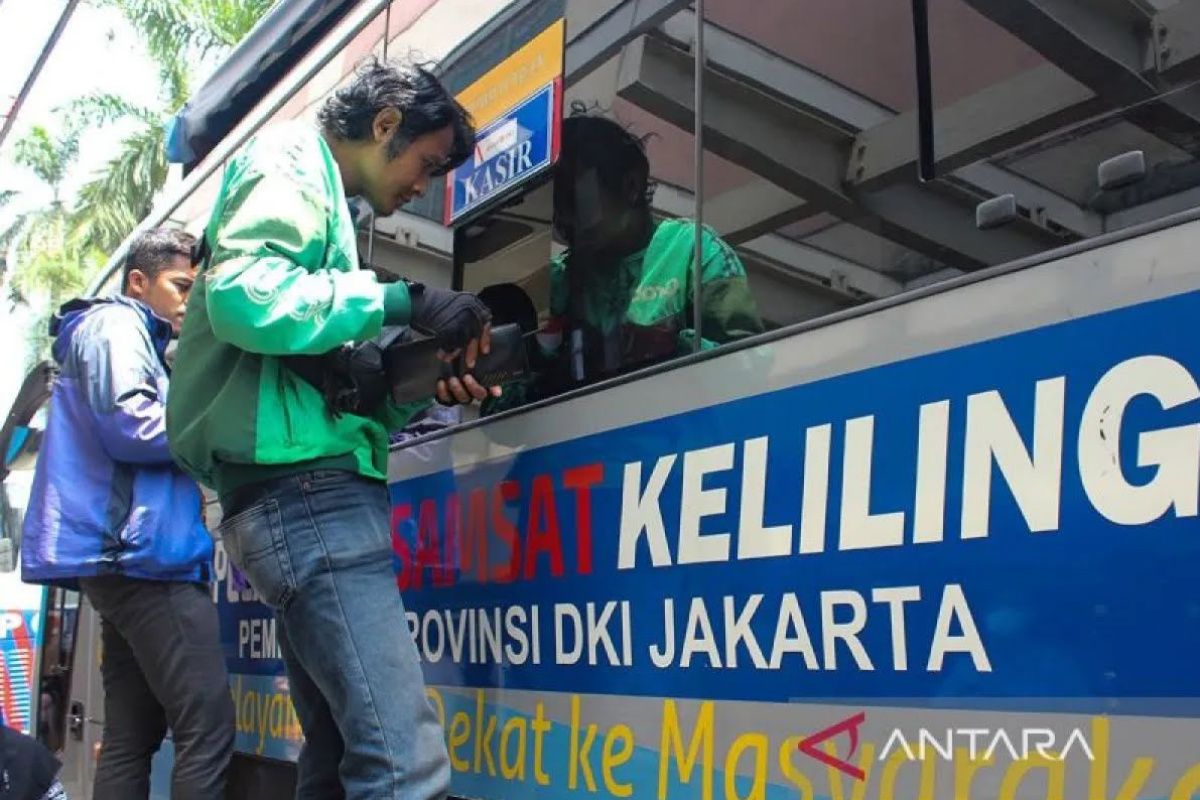
The traffic management of the Greater Jakarta area, known as West Java, has announced the launch of mobile Samsat services in 14 different areas, starting today, Wednesday. This service is part of the government's efforts to simplify vehicle registration and tax payment procedures, reflecting its commitment to improving public services for citizens.
The mobile Samsat services allow citizens to conduct several transactions, including renewing their vehicle registration license (STNK) and paying vehicle taxes, as well as mandatory traffic accident insurance fees. This initiative aims to reduce congestion in traditional traffic offices and save time and effort for citizens.
Details of the Event
The mobile Samsat services are distributed across 14 locations in various areas of Jakarta and its suburbs, including:
- Central Jakarta: at Lapangan Banteng from 08:00 to 13:00.
- North Jakarta: at Italian Mall from 08:00 to 14:00.
- West Jakarta: at Centraland Mall from 08:00 to 14:00.
- South Jakarta: at the Samsat parking area from 08:00 to 15:00.
- East Jakarta: at Kramat Jati Market from 08:00 to 14:00.
The services also cover other areas such as Tangerang and Bekasi, where citizens can benefit from these services at specific times. It is required to bring certain documents such as a personal identification card, vehicle ownership certificate, and registration license, with no outstanding tax dues.
Background & Context
This initiative comes as part of the Indonesian government's efforts to improve public services and facilitate citizens' lives. Indonesia is one of the countries witnessing rapid growth in the number of vehicles, increasing the need to enhance the traffic system and provide effective services. In recent years, numerous steps have been taken to improve traffic infrastructure and offer advanced services to citizens.
It is worth noting that mobile Samsat services are not the first of their kind, as similar projects have been implemented in other countries, reflecting the global trend towards improving government services through the use of technology.
Impact & Consequences
Mobile Samsat services are expected to contribute to reducing congestion in traditional traffic offices, making it easier for citizens to complete their transactions more quickly. This step may also encourage more citizens to comply with tax payments, thereby boosting government revenues.
Moreover, improving public services reflects the government's commitment to enhancing the quality of life for citizens, which could lead to increased trust in the government and strengthen the relationship between citizens and the state.
Regional Significance
This initiative serves as a model for Arab countries facing similar challenges in improving public services. Arab nations can benefit from Indonesian experiences in developing integrated government services that facilitate citizens in completing their transactions more efficiently.
Given the economic and social challenges faced by many Arab countries, enhancing public services can contribute to strengthening social and economic stability.