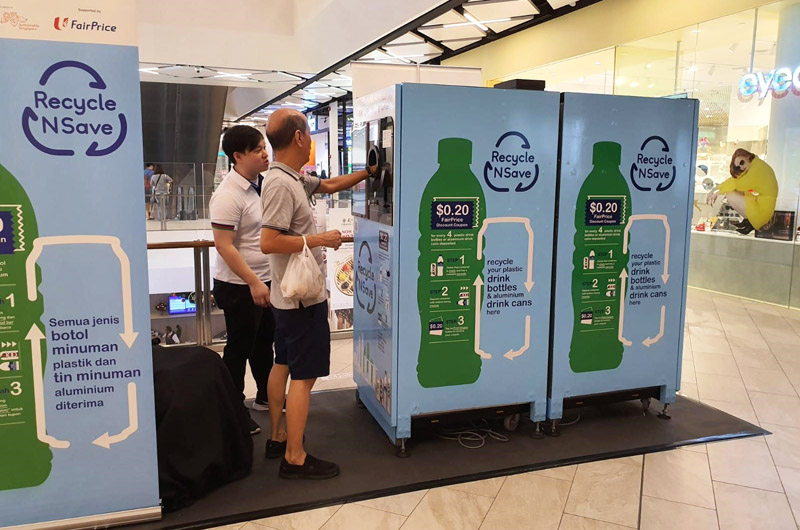
On Wednesday, April 1, Singapore launched a national program for recycling beverage containers, but the first day began quietly with most eligible containers not arriving at stores. CNA visited recycling machines at 12 locations across Singapore and found that some machines were either non-functional or malfunctioning.
Curious passersby stopped to inspect the machines, but no one used them. Some attempted to return an empty plastic bottle, but it was rejected as it did not carry the required 10-cent deposit label. Others reported that they were unsure how to use the machines and found the existing blue recycling bins more convenient.
Details of the Program
The Beverage Container Recycling Scheme (BCRS) aims to enhance recycling rates by imposing a charge of 10 Singapore cents on eligible beverages, which include plastic or metal containers ranging from 150 ml to 3000 ml. Consumers can reclaim the deposit by returning the container to a recycling machine.
A network of over 1,000 machines has been launched under the management of three operating companies: TOMRA, RVM Systems, and SG Recycle. However, some machines were out of order during CNA's visit. The locations of the Return Right machines are listed on the website returnright.sg, which also displays the status of each machine, indicating whether it is operational, out of order, or full.
Background & Context
This initiative is part of Singapore's ongoing efforts to promote sustainability and reduce waste. Isabella Huang-Loh, Chair of the Singapore Environment Council, stated that initial issues and minor operational adjustments were expected, but they are part of any transition to a large program.
Additionally, Janil Puthucheary, Minister of State for the Environment and Sustainability, noted that 90% of households in public housing (HDB) are within a five-minute walk to a return point, with over 430 supermarkets and stores serving as return points.
Impact & Consequences
The government anticipates that this program will lead to a cultural shift towards responsibility and waste reduction. However, the technical challenges that emerged on the first day indicate a need for increased awareness and training for consumers on how to use these machines.
Some consumers demonstrated a lack of knowledge on how to operate the new machines, which could affect the program's effectiveness. There is also a need for more information on how to reclaim the deposit, which could help enhance public participation.
Regional Significance
This initiative serves as a model for many Arab countries facing challenges in waste management. Arab nations can benefit from Singapore's experiences in enhancing recycling programs and improving environmental awareness among citizens.
In light of increasing environmental challenges, adopting such programs is a significant step towards achieving sustainability goals and reducing environmental impact.