PT Pindad, in collaboration with the Indonesian government, has announced the implementation of a new strategic waste management plan in the Bantargebang area, located in Bekasi, West Java. This move is part of the government's efforts to address the increasing waste crisis that the country is facing, as this area represents one of the largest waste processing sites in Indonesia.
This plan was discussed during a special coordination meeting attended by several ministers, including the Minister of Higher Education, Science, and Technology, Brian Yuliarto, and the Minister of Environment, Hanif Faisal Nurfiq, along with the CEO of PT Pindad, Sigit B. Santosa. The ministers emphasized the importance of addressing the waste problem through an integrated approach that encompasses all stages of waste management, from source to final processing.
Details of the Event
During the meeting, Brian Yuliarto noted that effective solutions to the waste issue in Bantargebang require integrated management that includes reducing waste flow from the source, enhancing processing operations, and minimizing accumulated waste. He also stressed the need to provide suitable land for establishing waste processing facilities.
For his part, Hanif Faisal Nurfiq highlighted the importance of transforming local waste processing centers into more advanced units, enabling local waste processing without relying on large processing sites. He indicated that implementing this strategy would contribute to improving the environmental situation in the region.
Background & Context
The waste management problem is one of the major challenges facing many developing countries, including Indonesia. Historically, the country has suffered from a lack of necessary infrastructure for waste processing, exacerbating environmental crises. In recent years, the government has intensified its efforts to develop sustainable solutions, including the use of modern technologies in waste processing.
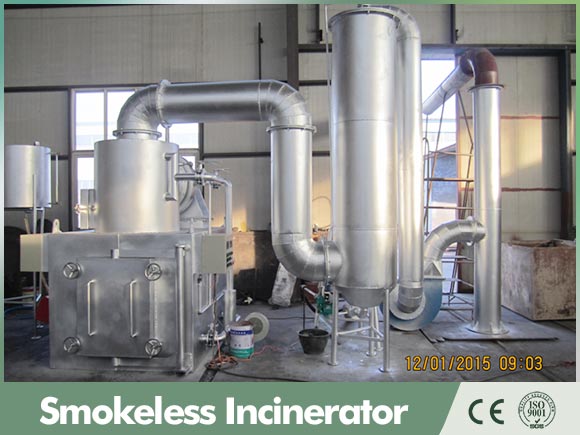
The smoke-free incineration technology offered by PT Pindad is one of the innovative solutions aimed at reducing harmful emissions and improving waste processing efficiency. This technology is expected to contribute to minimizing the environmental impact caused by waste.
Impact & Consequences
The implementation of this plan could have significant positive effects on the environment and public health in Indonesia. By improving waste management, pollution can be reduced, and air and water quality can be enhanced. Additionally, raising environmental awareness among the population can help decrease the amount of waste produced.
Moreover, this initiative could open new avenues for investment in the waste management sector, contributing to the creation of new job opportunities and boosting the local economy. The success of this strategy depends on cooperation between the government, the private sector, and the local community.
Regional Significance
Indonesia's experience in waste management serves as a model for many Arab countries facing similar challenges. Arab nations can benefit from Indonesian experiences in applying modern and sustainable waste management technologies, which can help improve the environment and public health.
In light of increasing environmental challenges, adopting effective waste management strategies is essential to ensure a sustainable future for upcoming generations.