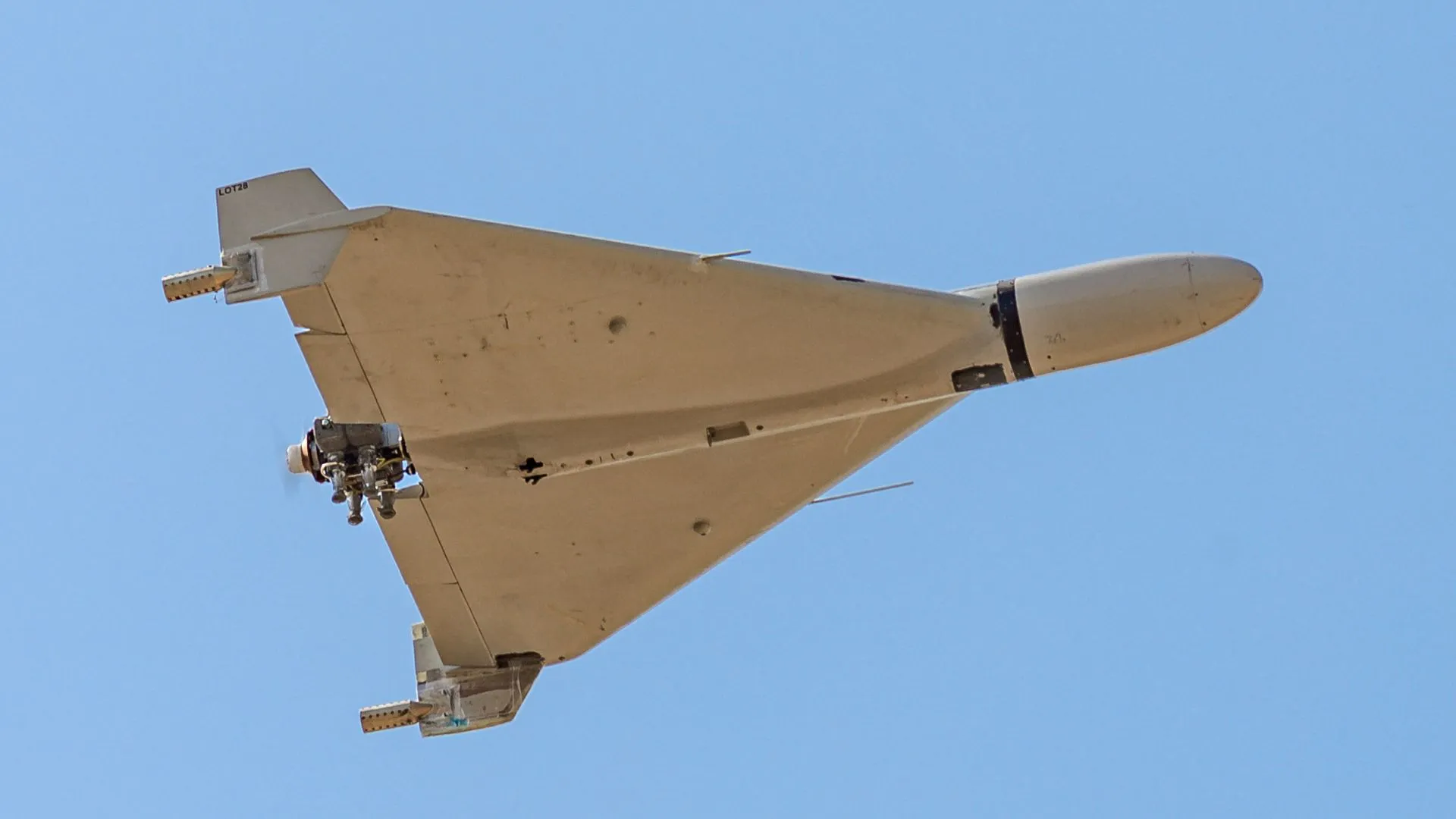
Reports have emerged regarding the launch of a cluster missile from Iran, part of recent attacks targeting central Israel. This development comes at a sensitive time as tensions in the region escalate, shedding light on the increasing risks faced by Israel from the Iranian front.
Initial analysis suggests that this missile is part of a larger strategy adopted by Iran to enhance its influence in the region amid multiple political and military crises. This attack has elicited varied reactions from Israeli officials, who view this escalation as a direct threat to their national security.
Details of the Event
According to reports from Israeli Channel 12, the launched cluster missile is part of a series of attacks targeting military and civilian infrastructure in Israel. These attacks come at a time when international pressure on Iran is mounting due to its nuclear program and regional behavior.
These attacks are considered part of a series of operations carried out by Iran in recent years, aimed at demonstrating its military strength and ability to deliver direct strikes against Israeli targets. Several sources have documented these attacks, increasing international concern regarding the rising violence in the region.
Background & Context
Historically, relations between Iran and Israel have been marked by increasing tensions, with Iran considering Israel a major enemy in the region. Since the Islamic Revolution in 1979, Iran has adopted an antagonistic policy towards Israel, leading to escalating military conflicts between the two sides.
In recent years, Iran has increased its support for armed groups in the region, such as Hezbollah in Lebanon and Hamas in Gaza, contributing to the worsening security situation. These dynamics make it difficult to reach a peaceful resolution to ongoing conflicts.
Impact & Consequences
This recent escalation may lead to military responses from Israel, which could launch retaliatory operations against Iranian sites or Iranian-backed groups in the region. Such operations could lead to further escalation in the conflict, increasing the risk of a comprehensive war in the area.
Moreover, this escalation may affect international relations, as the international community might intervene to mitigate tensions. The United States and its allies may feel pressured to take action against Iran, potentially leading to changes in regional policy.
Regional Significance
Neighboring Arab countries, such as Lebanon and Syria, find themselves in a sensitive position due to these developments. Any military escalation could impact the stability of these countries and increase the suffering of civilians in conflict zones.
Additionally, these events may lead to changes in regional alliances, as some Arab countries might seek to strengthen their ties with Israel as a means to counter the growing Iranian threat.
In conclusion, the launch of the cluster missile from Iran signifies the rising tensions in the region, necessitating all involved parties to work towards de-escalating the situation and avoiding military escalation.