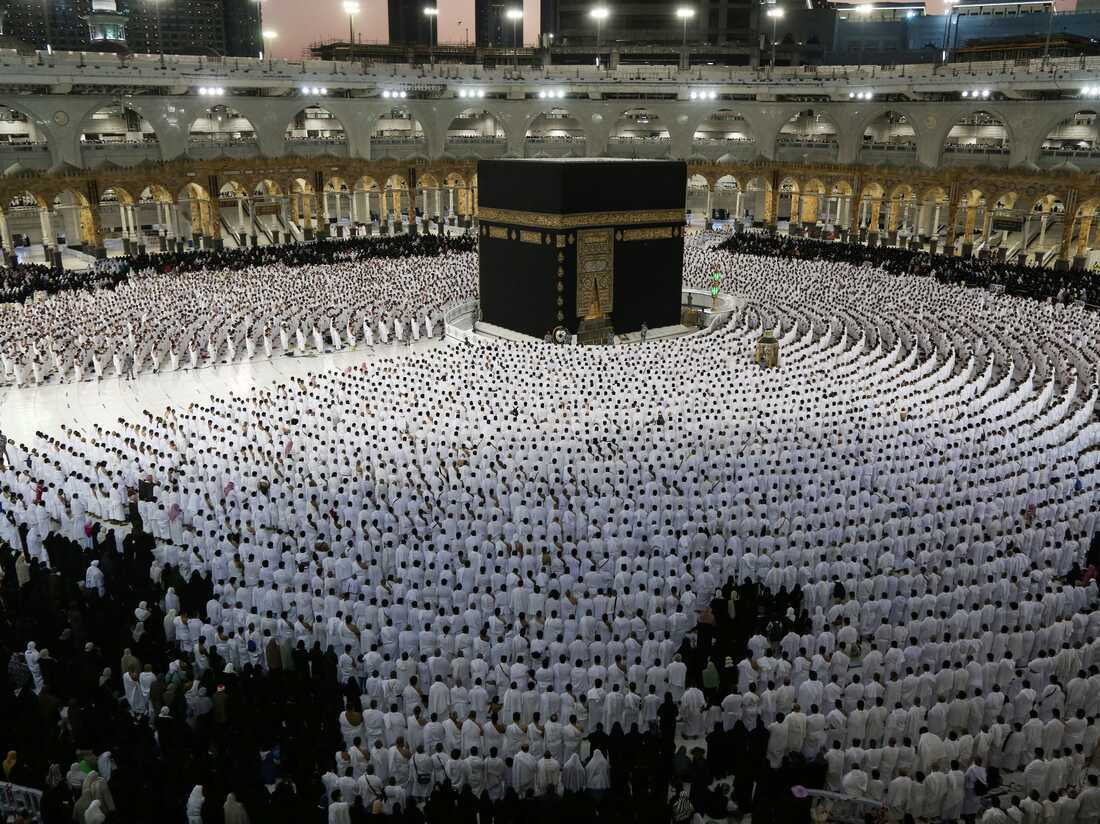
The General President of the Grand Mosque and the Prophet's Mosque, Sheikh Abdul Rahman Al-Sudais, inaugurated the operational plan for the Hajj season, where a series of qualitative initiatives were announced to enhance the services provided to visitors. This move comes as part of ongoing efforts to facilitate the performance of rituals and improve the experience for pilgrims.
Al-Sudais explained that the operational plan includes comprehensive updates at the logistical service level, including improvements in transportation, health services, and guidance. There has also been a focus on enhancing security and safety to ensure the well-being of pilgrims during their stay in the holy lands.
Details of the Event
This year's operational plan for Hajj includes a range of initiatives aimed at improving the quality of services offered. Among these initiatives is the launch of smart applications that facilitate pilgrims' access to essential information about the rituals, in addition to providing online consulting services.
It was also announced that cooperation with governmental and private entities would be strengthened to ensure the integration of efforts in delivering the best services. This comes amid the challenges faced by the Kingdom in organizing Hajj, especially following the COVID-19 pandemic, which impacted the number of pilgrims in previous years.
Background & Context
Historically, Hajj is one of the five pillars of Islam and attracts millions of Muslims from around the world. The Kingdom of Saudi Arabia, as the host country, strives to provide the best services to ensure a comfortable and safe experience for pilgrims.
In recent years, the Kingdom has witnessed significant developments in Hajj-related infrastructure, including expansions at the Grand Mosque and updates in transportation. These efforts are part of Vision 2030, which aims to enhance the Kingdom's status as a global religious and tourist destination.
Impact & Consequences
Saudi authorities expect the new operational plan to contribute to an increase in the number of pilgrims this year, reflecting the Kingdom's success in crisis management and adaptation to changing circumstances. Moreover, improving services may enhance the Kingdom's reputation in organizing major events.
On the other hand, these initiatives could impact religious tourism in the region, as they may encourage more Muslims to visit holy sites, thereby supporting the local economy.
Regional Significance
Saudi Arabia is considered an important religious center in the Islamic world, and any improvements in Hajj services positively affect other Arab countries that rely on religious tourism. Additionally, the Kingdom's success in organizing Hajj may encourage other countries to enhance their services for major events.
In conclusion, these initiatives reflect the Kingdom's commitment to providing the best services for pilgrims, contributing to its status as a leading religious destination.