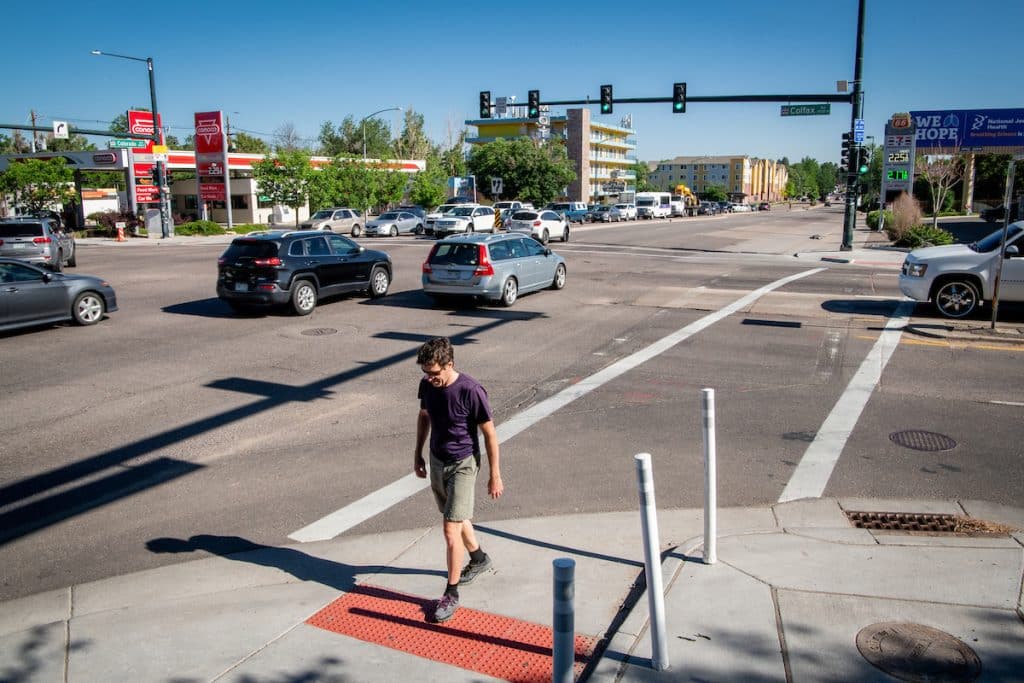
The South Jakarta government (Pemkot Jaksel) has announced the commencement of a phased project to rehabilitate pedestrian crossings (zebra cross) in the Tebet area, following the observation of their absence due to road maintenance activities. The Deputy Mayor of South Jakarta, Ali Mertehido, confirmed that work has already begun to improve pedestrian crossings on Professor Dr. Subomo Street, with swift actions taken to address this issue.
In his statement, Ali Mertehido noted that the city's road management has started working on the rehabilitation of the crossings, and the local government is monitoring the progress to ensure its completion on time. Mertehido emphasized that the goal is to provide safe and comfortable crossings for pedestrians, contributing to improved traffic flow in the area.
Event Details
The rehabilitation plan includes the establishment of permanent crossings that meet safety technical standards, considering the current conditions in the area. Five key locations along the corridor between Pancoran and Tebet have been identified as focus areas for this work. So far, two crossings have been rehabilitated: the first in front of Sahid University and the second opposite Kinderville School.
This project is part of the Indonesian government's efforts to ensure the provision of safe and comfortable public facilities for all road users. It is expected that this work will enhance pedestrian safety, especially in densely populated areas like Tebet.
Background & Context
Historically, Jakarta, the capital of Indonesia, has faced significant challenges in infrastructure, including pedestrian crossings. In recent years, traffic has increased dramatically, leading to an urgent need for improved pedestrian facilities. Maintenance work carried out at the end of 2025 resulted in the closure of some old crossings, negatively impacting pedestrian safety.
This initiative is part of a broader strategy aimed at enhancing the city's infrastructure, as the government seeks to promote public safety and provide a more livable urban environment for its citizens.
Impact & Consequences
This project is expected to have a significant positive impact on traffic and pedestrian safety in the Tebet area. With the rising population and traffic congestion, improving pedestrian crossings will help reduce traffic accidents and ensure citizen safety. Furthermore, this project reflects the government's commitment to meeting citizens' needs and enhancing the quality of life in the city.
Moreover, improving pedestrian crossings may encourage more citizens to use public transportation and walk, contributing to reduced traffic congestion and environmental pollution.
Regional Significance
Jakarta's experience in improving pedestrian crossings serves as a model that many Arab cities facing similar infrastructure challenges can benefit from. With population growth and urban expansion, providing safe facilities for pedestrians is essential to ensure their safety and improve quality of life.
These initiatives could present an opportunity for Arab cities to adopt similar strategies, enhancing citizen safety and encouraging the use of sustainable transportation.