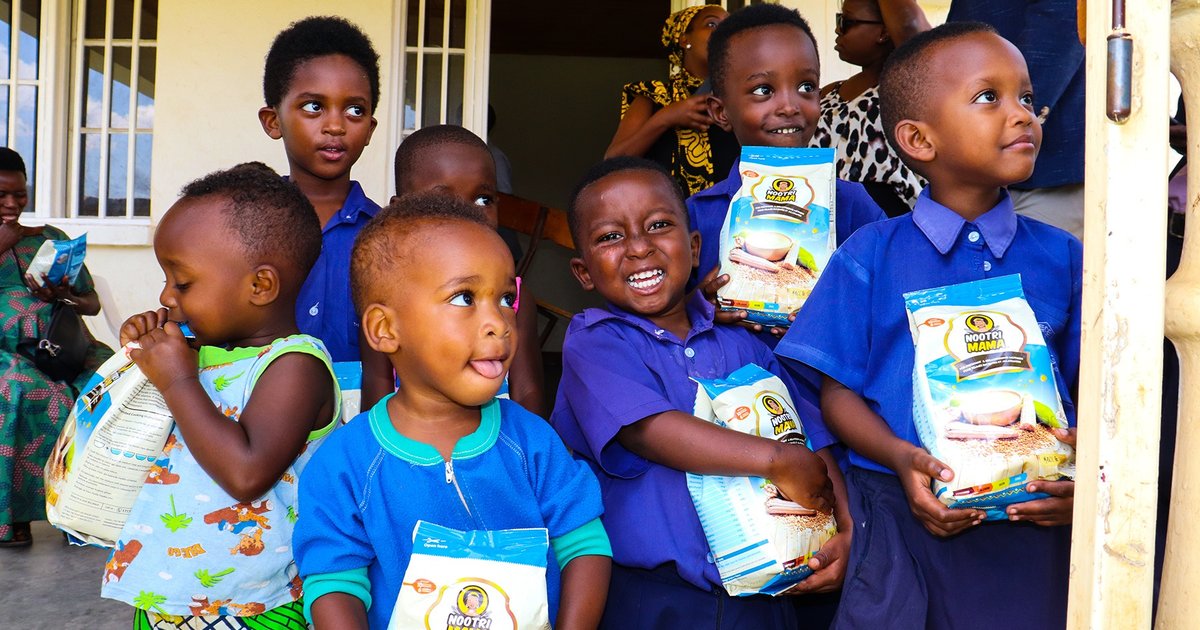
In a move aimed at promoting the health of mothers and children, the government of Bengkalan in Indonesia has announced the involvement of a team of primary healthcare workers, known as 'Pusyandu', to gather data on beneficiaries of the 'Free Nutritious Food' (MBG) program designed for pregnant and breastfeeding mothers and children under the age of five.
In a statement, Sudi, the head of the Family Planning and Women's Empowerment and Child Protection Department in the province, confirmed that this step aims to ensure the accuracy of data related to program beneficiaries, facilitating the process of providing effective nutritional support.
Event Details
The 'Pusyandu' team operates in 273 villages and 8 municipalities across 18 districts in Bengkalan, where they are tasked with collecting information about mothers and children who need nutritional support. The 'MBG-3B' program is part of national efforts to reduce the phenomenon of 'stunting', aiming to decrease its prevalence to 18.8% by 2026 and 14% by 2029.
This program is considered a priority initiative, as it seeks to enhance nutritional interventions from pregnancy onward, in addition to expanding the scope of nutritional services at the national level.
Background & Context
Indonesia is one of the countries facing significant challenges in nutrition, with reports indicating that many children suffer from malnutrition. The government has launched several programs to support nutrition, including the 'Free Nutritious Food' program, which aims to provide nutritious meals to children in schools and health centers.
According to reports from the National Nutrition Agency, 77 countries worldwide have implemented similar programs to provide free meals, reflecting the importance of these initiatives in improving children's health.
Impact & Consequences
The 'MBG-3B' program is a significant step towards achieving sustainable development goals, as it aims to improve the health of mothers and children, contributing to the development of a healthy generation capable of contributing to the country's economic and social development. These initiatives may also encourage other countries in the region to adopt similar programs to enhance nutrition.
The success of this program relies on cooperation between the government and the local community, with the 'Pusyandu' team playing a crucial role in implementing these initiatives, thereby enhancing the effectiveness of nutritional programs.
Regional Significance
Many Arab countries face similar challenges in nutrition, with many children suffering from malnutrition. Indonesia's experience in implementing the 'MBG-3B' program could serve as a model for Arab countries, where similar strategies can be adopted to improve the health of children and mothers.
Strengthening cooperation among Arab countries in the field of nutrition can contribute to achieving sustainable development goals and enhance communities' ability to address health challenges.