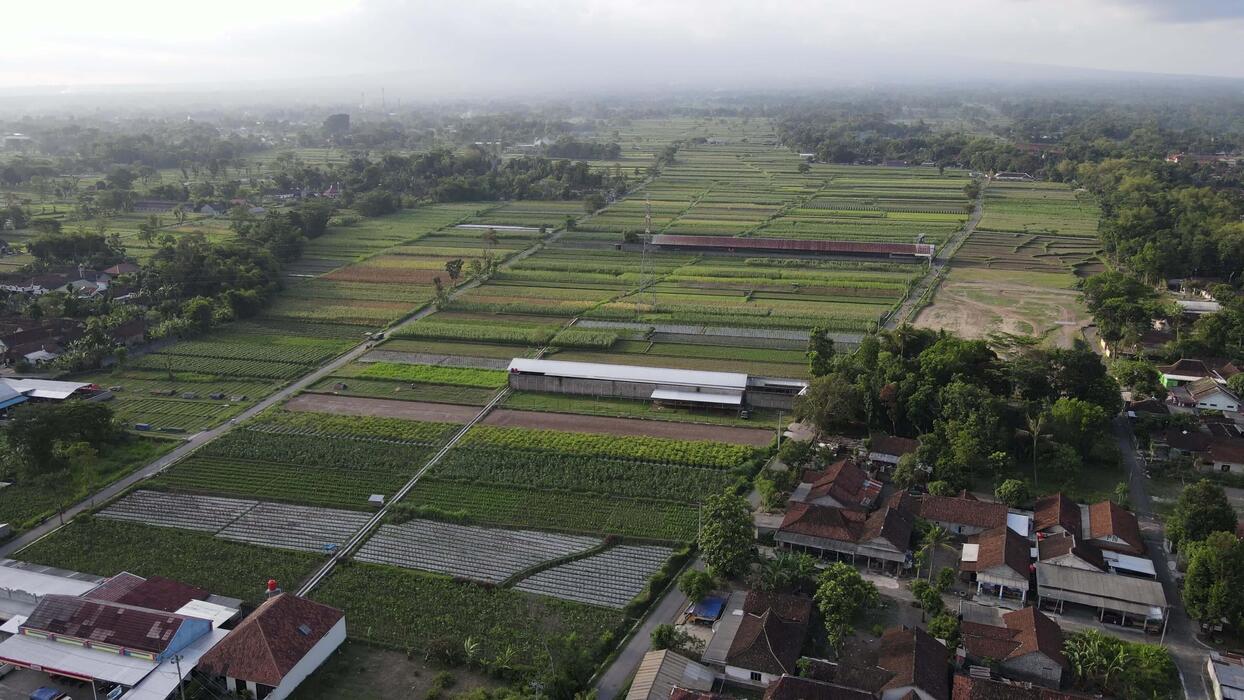
The Indonesian Ministry of Rural Development and Underdeveloped Regions (Kemendes PDT) has announced a new collaboration with several organizations, including Parisan 8, aimed at accelerating rural development through the establishment of 5,000 export villages across the country. This announcement was made during a memorandum of understanding signing ceremony at the ministry's office in the capital, Jakarta.
During the event, the Minister of Rural Development, Yandri Susanto, emphasized that this initiative is part of the government's strategy to transform villages into centers of economic development rather than just sites for development. He explained that the government cannot work alone in this area and needs the participation of all stakeholders.
Event Details
The new initiative aims to enhance the competitiveness of villages in global markets by developing a range of distinctive agricultural products such as coffee, vanilla, and organic sugar. The minister noted that these products have already begun to enter international markets, reflecting the success of efforts made in this context.
Susanto also stressed the importance of providing technical support and training for farmers to ensure product quality and increase competitiveness. He mentioned that the government will work on improving infrastructure in villages, including providing clean water and electricity.
Background & Context
Indonesia is considered one of the largest agricultural countries in the world, with many of its residents relying on agriculture as a primary source of income. However, Indonesian villages face significant challenges related to poverty and a lack of basic services. Therefore, this initiative comes as part of the government's efforts to improve living conditions in rural areas.
Historically, Indonesia has suffered from a significant disparity in development between urban and rural areas. In recent years, there have been increasing efforts by the government to promote rural development, including small project financing programs and training for farmers.
Impact & Consequences
This initiative is expected to contribute to improving the economic situation of many villages, leading to reduced poverty rates and enhanced social stability. It will also help raise awareness of the importance of sustainable agriculture and the development of local products.
Moreover, enhancing the capacity of villages to export will contribute to achieving sustainable development goals, reflecting the government's commitment to improving the quality of life in rural areas.
Regional Significance
This model of rural development is particularly significant for Arab countries facing similar challenges in economic and social development. Arab nations can benefit from Indonesian experiences in enhancing village capacities and improving living standards.
In conclusion, this initiative represents a positive step towards achieving sustainable development in Indonesia and may serve as a model for other countries in the region.