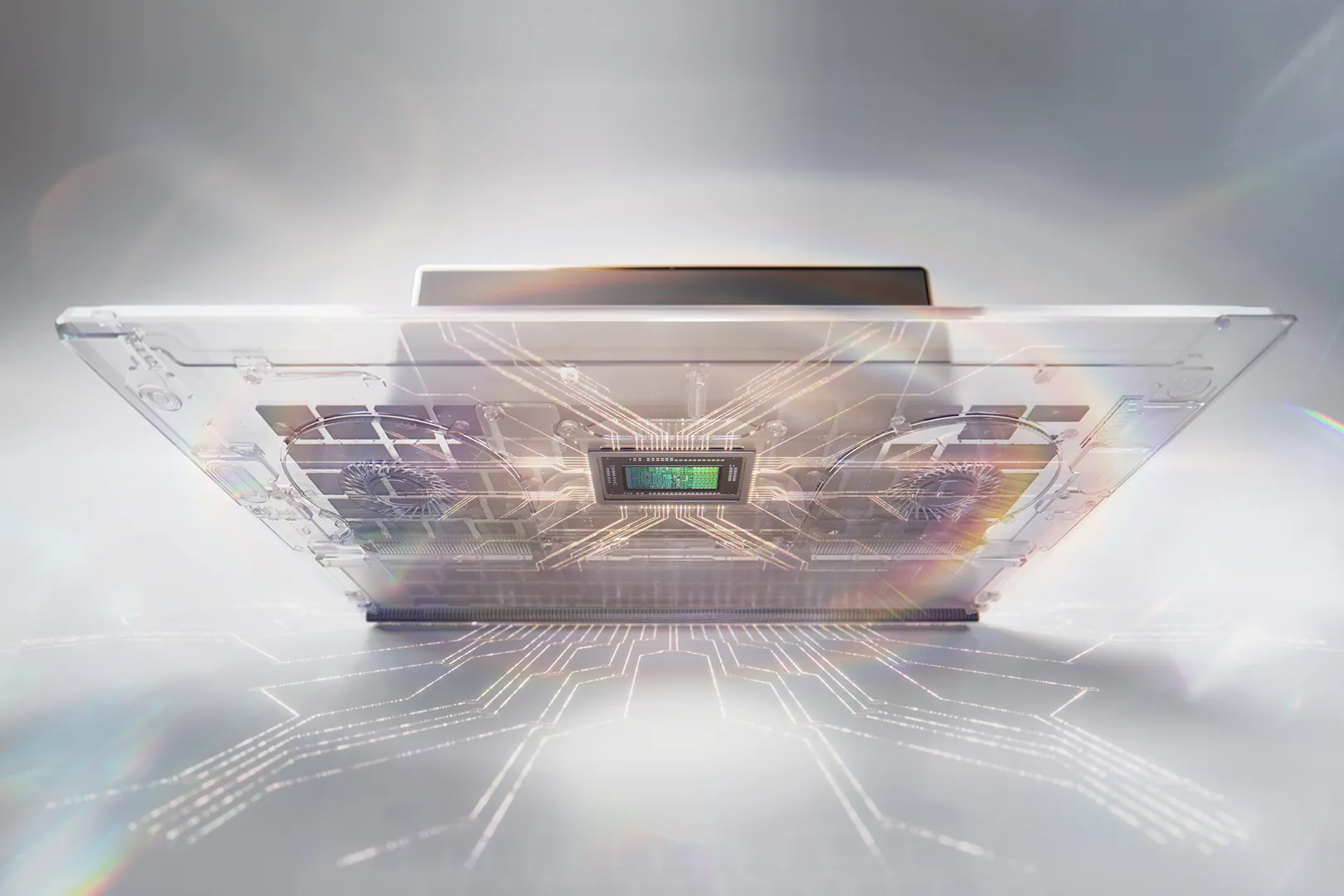
NVIDIA has announced the launch of its new RTX Spark chip during the Computex technology fair held in Taiwan, marking a significant step towards turning the concept of a "smart personal computer" into a tangible reality. This chip combines unified memory, RTX graphics, and the new N1 processor, enhancing the devices' ability to process data locally.
NVIDIA, which dominates the graphics processing unit market in data centers, aims to expand its influence to include personal computers. These new devices could be the first to truly deserve the title of "smart personal computer," allowing users to run AI models locally, something that was previously unavailable.
Event Details
The new RTX Spark laptops feature unified memory of up to 128 GB, a processor based on Arm architecture, and NVIDIA's renowned RTX graphics cards. These components make these devices a serious competitor to the MacBook Pro, which has been the only serious option for AI enthusiasts looking to run local models.
NVIDIA is collaborating with well-known computer manufacturers such as HP, Asus, Dell, and Lenovo, which enhances the spread of this new technology. Additionally, Microsoft's Surface Laptop Ultra is considered one of the standout options in this category, featuring a 15-inch Mini-LED display and a range of ports, making it a strong alternative to the MacBook Pro.
Background & Context
Although Microsoft has discussed the idea of "smart computers" since 2024, this concept has not seemed realistic until now. Previous devices, such as Copilot+, lacked the necessary performance to run large language models locally. However, it appears that NVIDIA has achieved what other companies could not.
Historically, personal computers relied on discrete graphics cards, negatively impacting battery life and fan performance. With the launch of the RTX Spark chip, NVIDIA seems to have found a solution to these issues, which could bring about a radical change in the market.
Impact & Consequences
Forecasts suggest that the prices of RTX Spark devices could exceed $4000 for high-performance versions, aligning with the prices of comparable MacBook Pro models. This indicates that these devices will target a specific segment of users, including professionals and creatives who require high performance in AI and design fields.
If NVIDIA succeeds in delivering on its promises, it could lead to a significant shift in how artificial intelligence is utilized in everyday tasks, with local models becoming more prevalent, thereby increasing demand for these devices.
Regional Significance
In the Arab world, this development could open new horizons in education and technology, allowing students and developers to leverage these devices to create local solutions based on artificial intelligence. This could also enhance the ability of Arab companies to compete in the global market.
In conclusion, NVIDIA seems to have laid the groundwork for a new era of personal computers, where the RTX Spark chip could revolutionize how we use artificial intelligence in our daily lives.