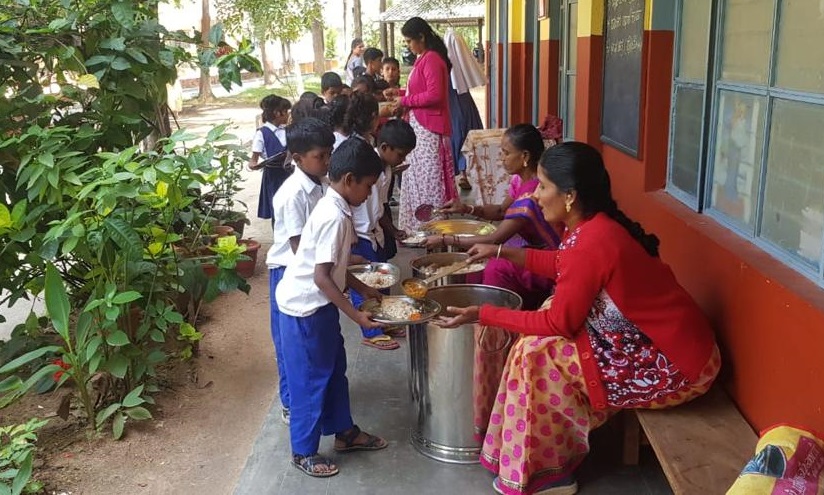
In a move aimed at promoting proper nutrition for children, Nanik Sudariati Diang, the Vice President of the National Nutrition Agency in Indonesia, announced the launch of a new school food distribution program. The program includes providing fresh meals to students for five days a week, while remote and impoverished areas will receive dry food supplies that do not require complex processing.
Nanik explained that this program is part of the Indonesian government's efforts to improve children's health and ensure they receive the necessary nutrition, especially in areas suffering from inadequate infrastructure and health services. Fresh food items such as fruits, milk, and bread will be distributed, while areas classified as 3T (remote, underdeveloped, and border regions) will receive dry food items like milk and bread, facilitating storage and distribution.
Program Details
Nanik pointed out that the program aims to maintain the quality and safety of the food provided to students, as it is designed to be effective in hard-to-reach areas. She emphasized that this distribution will ensure that all children, regardless of their location, receive the necessary nutrition to support their health and growth.
It was also confirmed that this program aligns with national nutrition standards and food safety principles, reflecting the Indonesian government's commitment to improving the nutritional status in the country. Additionally, schools have been directed to publish daily meal lists on social media, enhancing transparency and encouraging parents to monitor what their children are eating.
Background & Context
Indonesia is one of the countries facing significant challenges in the field of nutrition, with statistics indicating that a large percentage of children suffer from malnutrition. In recent years, the Indonesian government has launched several programs aimed at improving the nutritional situation, including school food support programs.
This initiative comes at a time when the country is witnessing increased efforts to combat poverty and improve living standards, as proper nutrition is one of the fundamental factors for achieving sustainable development. Through this program, the government aims to ensure that all children, especially in remote areas, receive the necessary nutrition to support their health and growth.
Impact & Consequences
This program is expected to have a positive impact on children's health in Indonesia, as it will contribute to reducing malnutrition rates and increasing awareness of the importance of proper nutrition. Additionally, providing dry food supplies to remote areas will help improve living conditions for impoverished families.
Furthermore, this program may encourage more governmental and private initiatives in the field of nutrition improvement, contributing to strengthening the local economy by supporting local farmers and creating new job opportunities.
Regional Significance
Indonesia's experience in improving nutrition for children serves as a model that Arab countries can benefit from, especially those facing similar challenges in nutrition and public health. Arab nations can draw inspiration from this program to develop their own strategies aimed at enhancing children's health and providing adequate food for them.
Given the economic and social challenges faced by some Arab countries, promoting proper nutrition for children is a crucial step towards achieving sustainable development and improving living standards.