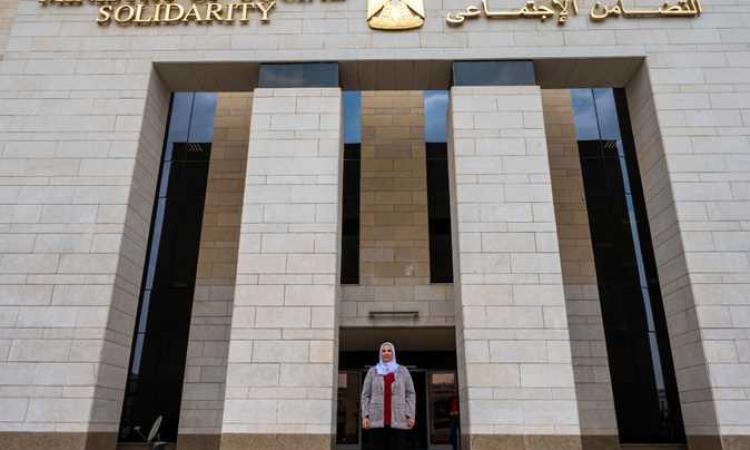
The Ministry of Social Solidarity in Egypt has announced the launch of the second phase of a training program aimed at enhancing institutional and leadership capacities. This program is part of the ministry's efforts to improve institutional performance and enhance the efficiency of employees in various institutions.
The second phase of the program targets a group of employees in both governmental and non-governmental institutions, where a series of training courses will be offered covering various topics related to effective leadership and management. The program aims to equip participants with the knowledge and skills necessary to improve institutional performance and provide better services to citizens.
Event Details
The second phase of the program includes a series of workshops and lectures led by experts in management and leadership fields. Modern educational methods will be employed, including interactive learning and case studies, which will contribute to enhancing the practical understanding of administrative concepts.
This phase is expected to last for several months, during which participants will be evaluated at the end of the program to ensure that the desired objectives are achieved. The ministry will also provide technical and advisory support to participating institutions to ensure the sustainability of the results achieved.
Background & Context
This initiative comes within the framework of Egypt's Vision 2030, which aims to improve governmental performance and enhance transparency and accountability. Institutional and leadership capacities are considered essential elements in achieving this vision, as the government seeks to build strong institutions capable of meeting citizens' needs.
The Ministry of Social Solidarity has previously launched several training programs in past years, reflecting the government's commitment to developing human resources and enhancing their capabilities. These programs are part of a comprehensive strategy aimed at improving the quality of services provided to citizens.
Impact & Consequences
The second phase of the program is expected to contribute to improving institutional performance and enhancing the efficiency of employees in institutions. This will lead to an improvement in the quality of services provided to citizens, thereby enhancing trust in governmental institutions.
Moreover, developing the leadership capacities of employees will help create a more effective work environment, contributing to achieving the strategic goals of the state. In light of the economic and social challenges facing the country, these programs are essential to ensure sustainable development.
Regional Significance
Egypt's experience in enhancing institutional and leadership capacities serves as a model for the Arab region. Many Arab countries face similar challenges in improving governmental performance and enhancing institutional efficiency. These programs can facilitate the exchange of experiences and strengthen cooperation among Arab countries in this field.
Furthermore, the success of these initiatives in Egypt may encourage other countries to adopt similar strategies, contributing to achieving sustainable development in the region.
The launch of the second phase of the training program reflects the Ministry of Social Solidarity's commitment to improving institutional performance and enhancing leadership capacities. This initiative represents an important step towards achieving Egypt's Vision 2030 and enhancing trust in governmental institutions.