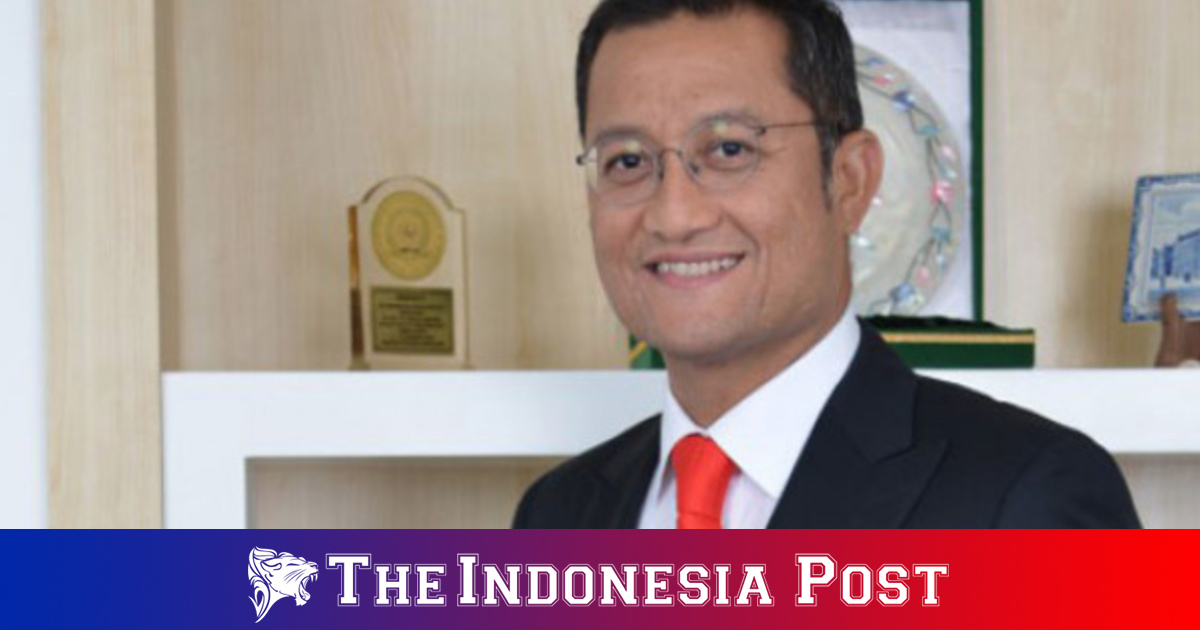
The Indonesian Ministry of Social Affairs has announced the commencement of social assistance (Bansos) disbursement in the second week of April 2026, emphasizing that this initiative is part of a major program aimed at improving the living standards of needy families. Minister of Social Affairs, Saidullah Yusuf, stated that the disbursement process will rely on updated beneficiary data obtained from the Central Statistics Agency, which will help expedite the distribution of aid.
The minister also noted that the new data will assist in identifying the most needy families, as the data will be received on the tenth day of each month, allowing the ministry to take necessary actions more swiftly.
Details of the Initiative
The social assistance to be disbursed includes programs such as the Family Efficiency Program and non-cash food assistance. This program aims to provide support to poor families and improve their living conditions. It has been confirmed that these aids will begin in the second week of April, reflecting the Indonesian government's commitment to assist vulnerable groups in society.
In another context, the Central Statistics Agency announced the results of its investigations, revealing the deaths of 3,934 participants in the BPJS Kesehatan program due to catastrophic diseases. These results came after conducting a field verification on 106,153 individuals, highlighting the health challenges facing the country.
Background & Context
Social assistance is a fundamental part of the Indonesian government's efforts to combat poverty and promote social development. In recent years, the country has witnessed an increase in the number of social programs aimed at improving living standards. Updating data is also a crucial step to ensure that assistance reaches those who truly need it.
At the same time, Indonesia faces significant challenges in public health, where there is a pressing need to improve health services and provide necessary care for individuals suffering from chronic diseases. These challenges require a swift and effective response from the government.
Impact & Consequences
These steps come at a sensitive time for Indonesia, as the government seeks to enhance the image of its social programs and build trust among citizens. Providing social assistance regularly can help reduce the economic and social gap between different groups in society.
Moreover, the new directives in the education sector, which call for improving energy consumption efficiency in schools, reflect the government's commitment to promoting environmental sustainability. These steps may lead to improved education quality and provide a better learning environment for students.
Regional Significance
Indonesia's experience in social assistance and data updating serves as a model that Arab countries can benefit from, especially in light of the economic and social challenges they face. Arab nations can learn from the exchange of experiences on how to enhance social support programs and deliver aid more effectively.
In conclusion, these developments in Indonesia reflect genuine efforts to improve living standards and promote sustainability, opening the door for further cooperation and exchange among countries in the fields of social and economic development.