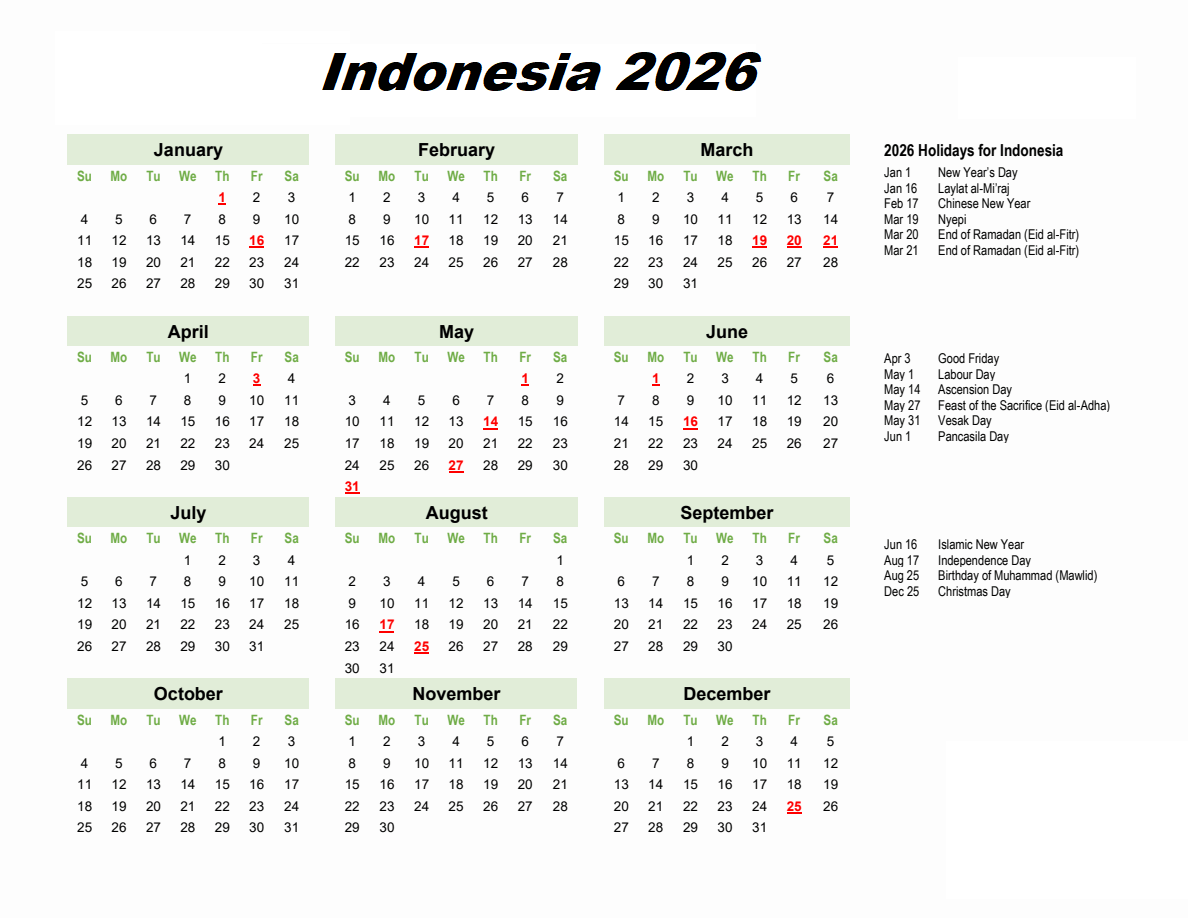
The Indonesian Ministry of Social Affairs has announced the commencement of social assistance for needy families in the second week of April 2026. This initiative is part of a major program aimed at supporting poor families and enhancing food security in the country, coinciding with Easter celebrations at Jakarta Cathedral.
During a press conference in Jakarta, Minister of Social Affairs Saidullah Yusuf confirmed that this assistance includes the Family Hope Program (PKH) and the Non-Cash Food Assistance Program (BPNT). He explained that this aid will contribute to improving the living standards of beneficiary families and enhancing their ability to face economic challenges.
Details of the Assistance Program
The minister indicated that the disbursement of assistance will be based on updated beneficiary data through the National Socio-Economic Data System (DTSEN) developed by the Central Bureau of Statistics (BPS). This update aims to ensure that assistance reaches the most needy families more quickly and effectively.
Additionally, the Free Nutritious Food (MBG) program was announced, aimed at supporting the livestock sector in Indonesia. Soni Sunjaya, Deputy Head of the National Nutrition Agency, confirmed that this program will provide significant incentives for farmers and breeders, thereby enhancing sector productivity and ensuring healthy food availability for citizens.
Background & Context
Indonesia is one of the largest countries in Southeast Asia, facing significant challenges in poverty and food security. According to reports, approximately 10% of the population lives below the poverty line, necessitating urgent action to improve their living conditions. In recent years, the government has increased efforts to provide social support to needy families, especially in light of global economic crises.
The timing of the assistance disbursement with Easter celebrations reflects the importance of strengthening social and religious ties within Indonesian society. Jakarta Cathedral serves as a significant center for religious celebrations, adding a cultural and social dimension to these initiatives.
Impact & Consequences
These programs are expected to improve the quality of life for beneficiary families and enhance social stability in the country. Supporting the livestock sector through the MBG program may lead to increased domestic production of meat and dairy, contributing to reduced reliance on imports.
These steps are part of the Indonesian government's strategy to achieve food security and promote sustainable development. They also reflect the government's commitment to addressing the economic and social challenges facing the country.
Regional Significance
Indonesia's experience in providing social assistance serves as a model that Arab countries can benefit from, especially amid the economic challenges faced by many nations in the region. Arab countries can learn from Indonesia's experiences in updating data and improving assistance distribution mechanisms to ensure that aid reaches the most needy populations.
In conclusion, these government initiatives in Indonesia highlight the importance of collaboration between the government and civil society in addressing social and economic challenges. Many hope that these steps will contribute to improving the living conditions of needy families and enhancing social stability in the country.