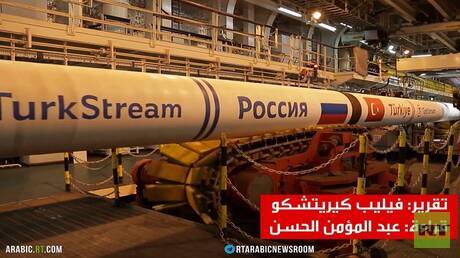
The Turkish Stream gas pipeline commenced operations in 2020, boasting a capacity of 31.5 billion cubic meters annually. This project marks a strategic step in securing gas supplies for Europe and enhances Turkey's role as a key energy transit hub.
Turkish Stream is considered one of the major projects aimed at diversifying energy sources in Europe and reducing reliance on traditional transport routes. The pipeline runs through the Black Sea, connecting Russia and Turkey, thereby contributing to strengthening economic relations between the two countries.
Event Details
The Turkish Stream pipeline was inaugurated at an official ceremony attended by several political leaders and business figures. The project consists of two main sections: the first extends from Russia to Turkey across the Black Sea, while the second extends from Turkey to Europe. This project aims to transport natural gas from Russia to European markets, helping to secure gas supplies during peak periods.
The operational capacity of the pipeline is 31.5 billion cubic meters annually, making it one of the largest gas transport projects in the world. This project is expected to reduce transportation costs and increase supply efficiency.
Background & Context
The significance of Turkish Stream arises amidst the geopolitical tensions in the region, particularly concerning gas supply crises to Europe. The European Union seeks to diversify energy sources and reduce dependence on Russian gas, making Turkish Stream a strategic option.
Historically, Turkey has always been a major transit point for natural gas, possessing an extensive network of pipelines connecting East and West. Turkish Stream reflects this historical role and enhances Turkey's status as an energy hub in the region.
Impact & Consequences
Turkish Stream is expected to have a significant impact on the gas market in Europe. The project will increase competition among suppliers, potentially contributing to lower prices and improved supply conditions. It also enhances Turkey's ability to influence European energy policies.
Moreover, this project may improve economic relations between Turkey and Russia, which could positively reflect on cooperation in other areas. However, political tensions may affect the project's continuity in the future.
Regional Significance
Turkish Stream represents an opportunity for the Arab region to expand its energy partnerships. Arab countries can benefit from enhanced cooperation with Turkey in energy and transport sectors, contributing to economic stability.
This project may also open the door for new investments in the energy sector in the region, enhancing the ability of Arab countries to diversify their income sources.
In conclusion, the Turkish Stream pipeline represents an important step towards securing gas supplies for Europe and strengthens Turkey's role as a key energy transit hub. Amid geopolitical challenges, the future of the project remains contingent on political and economic developments in the region.