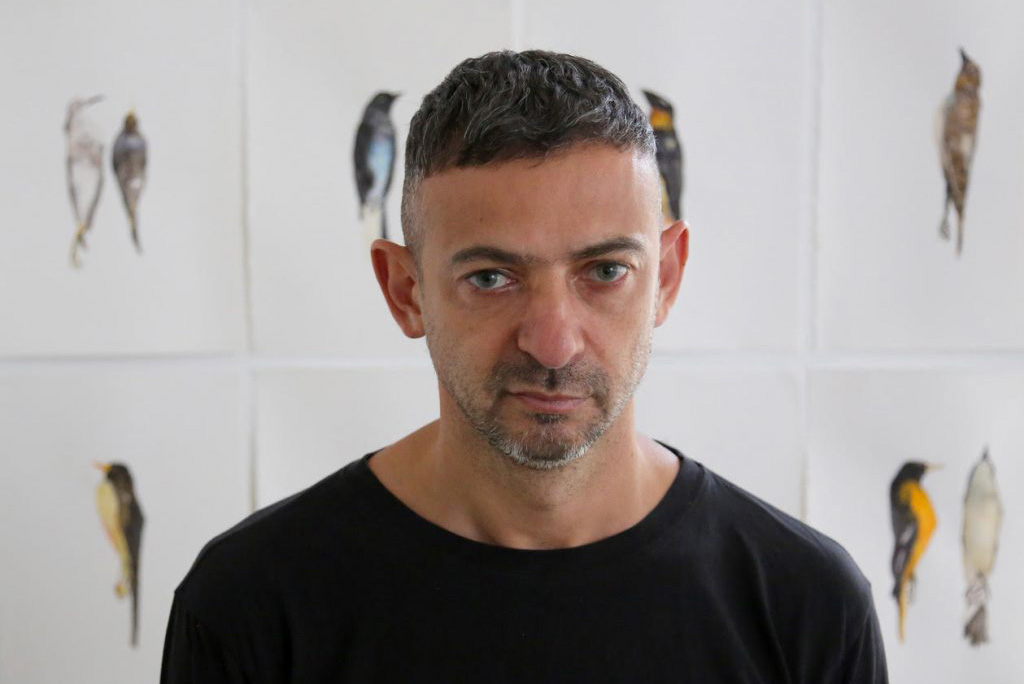
In a tragic incident, a missile strike believed to have been carried out by the Israeli army destroyed a residential apartment in central Beirut in November 2024, resulting in the deaths of three of its occupants. Lebanese-French artist Ali Shiri, who was one of the apartment owners, is now awaiting French authorities to open an investigation into this matter.
The incident occurred at a time when conditions in Lebanon were tense, with the country experiencing an escalation in military actions and offensive operations. The three victims, who lived in the apartment, represented a part of the Lebanese community suffering from the repercussions of ongoing conflicts in the region.
Details of the Incident
The missile strike that targeted the apartment in Beirut came amid reports of an Israeli military escalation in the area. The victims were a single family, which heightened the pain and suffering felt by the Lebanese community. Ali Shiri, the son of the victims, expresses his deep sorrow and demands justice, viewing the opening of an investigation into this case as a necessary step to uncover the truth.
Ali Shiri, who is considered a well-known artist, is now seeking to use his platform to raise awareness about what happened to his family. He pointed out that this case is not just an isolated incident but reflects the suffering of many Lebanese families who have lost loved ones due to ongoing conflicts.
Background & Context
Lebanon has a long history of conflicts and struggles, where civil wars and external aggressions have been part of Lebanese life. Since 1948, when the state of Israel was established, the region has witnessed numerous wars and conflicts, leading to the loss of many lives and the destruction of property. The political and economic pressures that Lebanon faces today are partly due to these ongoing conflicts.
Investigations into similar incidents often face significant challenges, as politics intertwine with justice. In recent years, there have been increasing calls for accountability for crimes committed in armed conflicts, both in Lebanon and in other parts of the Middle East.
Impact & Consequences
Opening an investigation into this case could have significant repercussions on the relations between Lebanon and Israel, as well as its impact on the international community. If responsibility is proven, it could lead to greater calls for accountability for war crimes in the region. It may also contribute to enhancing international efforts to reduce violence and protect civilians in armed conflicts.
On the other hand, Ali Shiri may face legal and political challenges in his quest for justice. Historically, there have been difficulties in holding states accountable for their actions in armed conflicts, making this case an important test for international justice.
Regional Significance
This case highlights the importance of justice in armed conflicts, shedding light on the suffering of civilians in conflicts. As calls for peace and stability in the region increase, issues of justice and accountability remain at the heart of discussions about the future of the Middle East.
What happened to Ali Shiri's family is part of a larger suffering experienced by many families in Lebanon and neighboring countries. It is crucial to highlight these issues to ensure they are not repeated in the future and that efforts are made to achieve justice for the victims.