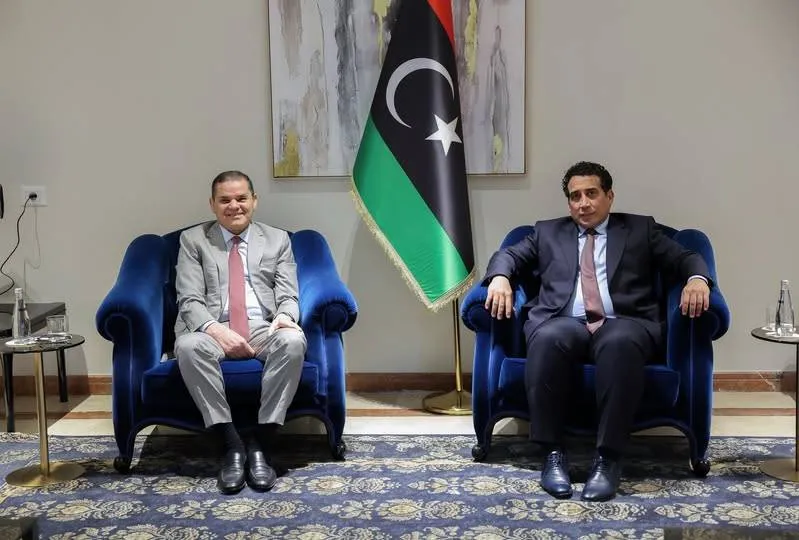
A leaked report from the UN Security Council's expert committee has stirred controversy in the Libyan political arena, containing accusations and "suspicions of corruption" targeting prominent figures in the country's political and military landscape. This leak has prompted many observers to question its implications, particularly regarding its potential use as a pressure tool to extract concessions from conflicting parties.
The report, which has not yet been officially adopted, addresses incidents related to attempts to seize public funds and expand influence by armed groups in western Libya. Former Deputy Head of the "National Congress," Saleh Al-Makhzoum, stated that the leak is not an isolated incident but rather an indication that the expert team may have linked violations to specific actors, opening the door for potential bargaining with them.
Details of the Event
In his statements, Al-Makhzoum connected the timing of the report's leak to discussions about the imminent establishment of a new transitional authority in Libya. He anticipated that there would be bargaining between the active forces in the east and west, where they would face two options: either accept a new path under the auspices of the UN mission or major powers, or face accountability following the report's adoption.
Libya is currently experiencing a political divide between the temporary "National Unity Government" in Tripoli, led by Abdul Hamid Dbeibeh, and a government in Banghazi led by Osama Hamad, supported by the parliament and the leader of the "National Army," Khalifa Haftar. This division complicates the political scene and reflects the varying interests among different parties.
Background & Context
Historically, Libya has suffered from political and military conflicts since the overthrow of Muammar Gaddafi in 2011, leading to rampant corruption and violations. The leaked report comes at a sensitive time, as various parties seek to rearrange their positions amid increasing international pressures.
The report includes details about violations related to the seizure of oil revenues, which could negatively affect the positions of the parties involved and reduce their ability to reject any new political path. Al-Makhzoum emphasized that these accusations would weaken their stance, potentially paving the way for new settlements.
Impact & Consequences
Political analyst Mohamed Mahfouz pointed out that the report, despite its seriousness, may only be used as a means to pressure Libyan parties to accept economic reforms rather than as a tool for unifying authority. He confirmed that the United States' preoccupation with other conflicts could delay the formation of a unified authority in Libya.
On the other hand, political activist Hossam Al-Qamati predicted that Western countries might exploit the report to gain concessions in the oil sector, especially after its final adoption. He noted that this exploitation could extend to countries that have traditionally welcomed Libyan actors despite the surrounding suspicions.
Regional Significance
Highlighting corruption and violations in Libya could have far-reaching effects on the Arab region, potentially strengthening calls for accountability and transparency in other countries suffering from corruption. Additionally, increasing international pressures may contribute to reshaping political alliances in the region.
In conclusion, the question remains as to how Libyan parties will respond to this report and whether they will yield to international pressures or continue their struggle for power. Upcoming events may determine Libya's fate amid current political and economic challenges.