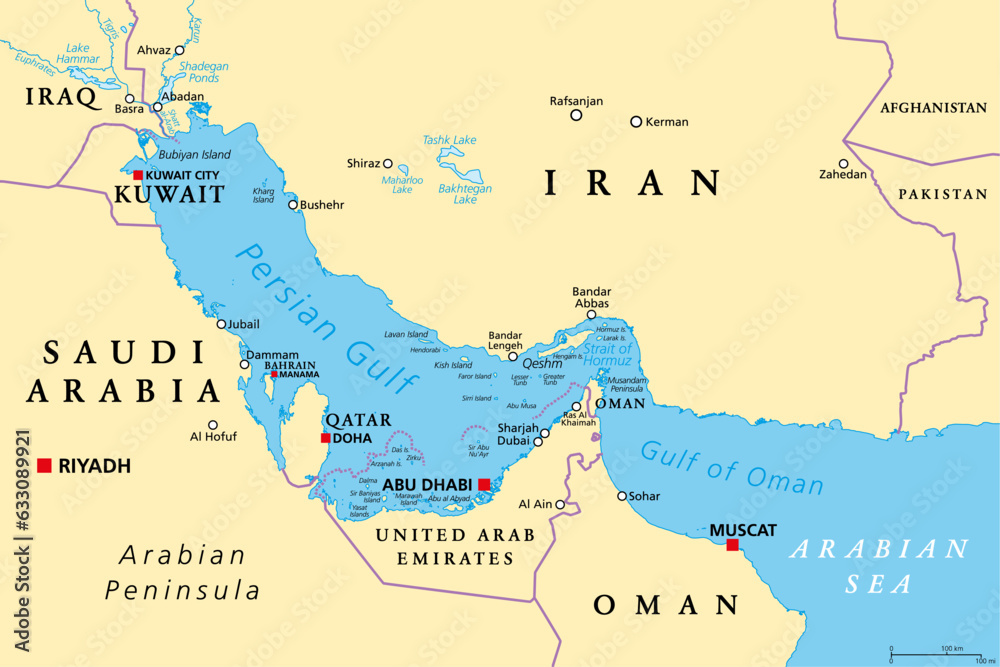
Current events in the Gulf region continue to provide important lessons about challenges and opportunities. These lessons reflect the political and economic changes taking place in the area.
The Gulf region is considered one of the most influential areas in the world, where political and economic issues are intricately intertwined. Recently, the region has witnessed significant transformations, prompting an analysis of the lessons learned from these events.
Details of the Events
The events in the Gulf are numerous, ranging from political tensions between countries to economic crises affecting the lives of citizens. These events require Gulf states to think about new strategies to adapt to rapid changes.
For example, the relationships between some Gulf countries have experienced noticeable tensions, leading to a reassessment of alliances and regional cooperation. Additionally, the economic crises resulting from falling oil prices have pushed countries to seek new sources of income and diversify their economies.
Background & Context
Historically, the Gulf region has heavily relied on oil revenues. However, global changes in the energy market, along with the shift towards renewable energy, have imposed new challenges on these countries. In recent years, many Gulf states have begun implementing ambitious plans to diversify their economies, such as Saudi Vision 2030.
These visions are part of a broader strategy aimed at reducing dependence on oil and enhancing other sectors such as tourism and technology. Nevertheless, the biggest challenge remains how to achieve these goals amid changing global conditions.
Impact & Consequences
Events in the Gulf affect both regional and international stability. Political tensions can lead to instability, impacting foreign investments and tourism. Economic crises can also result in increased unemployment and poverty rates in some countries.
Moreover, shifts in economic policies may lead to changes in trade relations between countries. Therefore, understanding the lessons learned from these events can help formulate more effective strategies to address future challenges.
Regional Significance
The impacts of events in the Gulf are not limited to Gulf countries alone but extend to other Arab nations. Political and economic tensions can have repercussions on security and stability across the entire region.
For instance, economic crises in the Gulf may lead to an influx of migrants to other Arab countries, increasing pressure on these nations. Additionally, political tensions may result in greater divisions among Arab countries, complicating regional cooperation efforts.
In conclusion, the events in the Gulf provide valuable lessons on how to deal with challenges and opportunities. It is essential for countries to benefit from these lessons to build a more stable and prosperous future.